Accident Recovery Towing Done Right
A crash can leave your vehicle in traffic, on a shoulder, in a ditch, or blocking a driveway - and every minute after impact matters. Accident recovery towing is not just about hooking up a car and driving away. It is about securing the scene, preventing more damage, protecting everyone nearby, and getting your vehicle moved the right way the first time.
If you are in Kenner or the New Orleans area, the first priority is safety. Move yourself and passengers to a safe location if possible, call 911 when needed, and avoid standing near traffic. Once emergency responders have handled immediate medical and traffic concerns, the next step is making sure the vehicle is recovered by trained professionals with the right equipment.
What accident recovery towing actually includes
A lot of drivers assume towing after a crash is the same as a standard breakdown tow. Sometimes it is. Often, it is not.
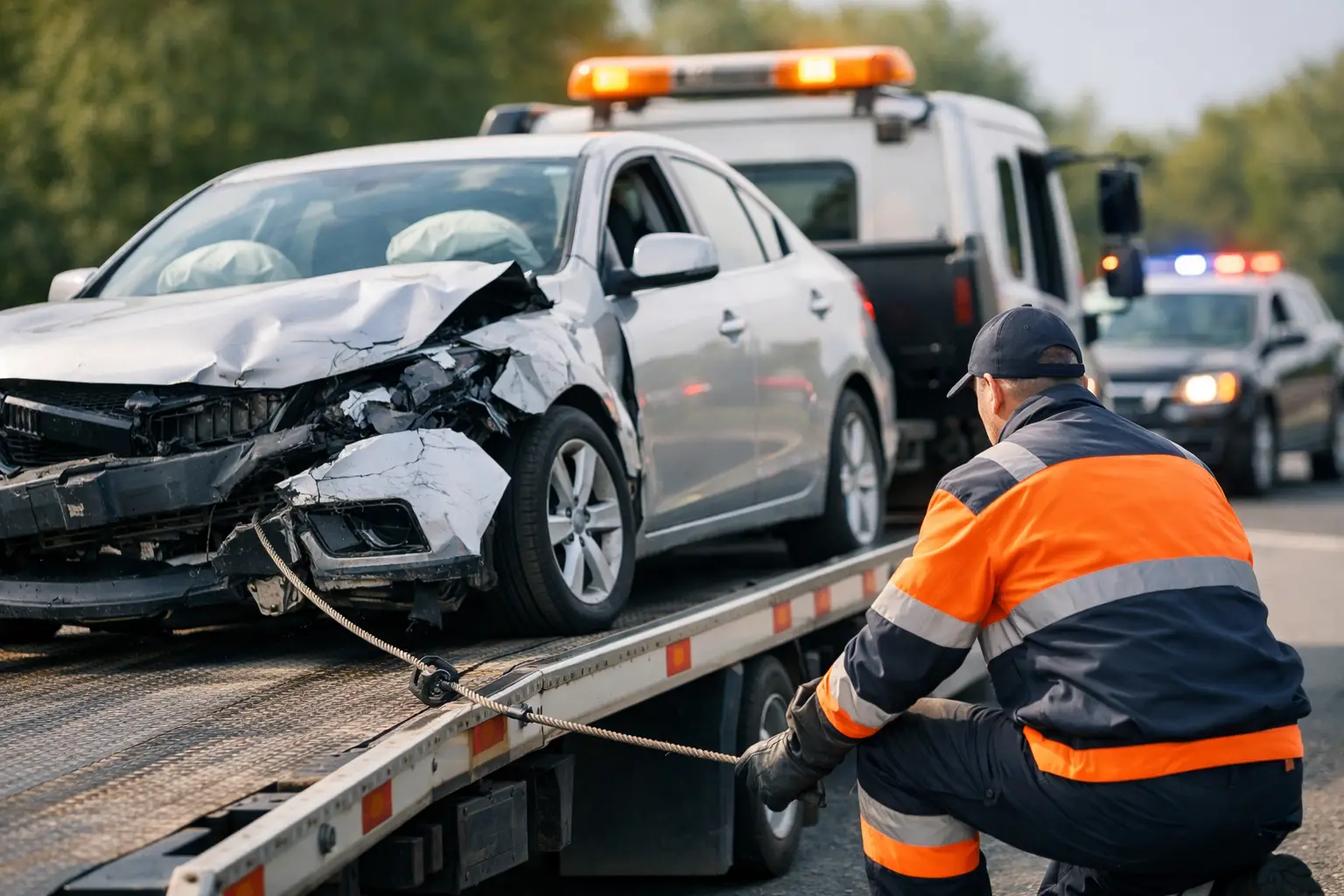
Accident recovery towing can involve damaged steering, broken suspension, deployed airbags, wheel loss, fluid leaks, or a vehicle that has left the roadway. In those cases, the operator may need a flatbed, winching equipment, dollies, or specialized recovery tools to load the vehicle without creating more damage. The job is not only to remove the vehicle, but to do it safely and securely.
That is why the recovery process starts with assessment. The tow operator needs to know whether the vehicle can roll, whether it is stable, whether it is leaking fluids, and whether there are hazards around it such as debris, soft ground, traffic exposure, or other damaged vehicles. A licensed and insured towing company should be prepared for those variables, not surprised by them.
Why accident recovery towing needs the right equipment
After a crash, the wrong truck can make a bad situation worse. A damaged car pulled incorrectly can suffer underbody damage, bumper damage, tire damage, or alignment issues that were not part of the original accident.
That is one reason flatbed towing is often the safest option after a collision. It keeps all four wheels off the road and reduces stress on already damaged components. If the vehicle is stuck off-road or at an angle, winching may be needed before loading. If a wheel is locked or missing, additional equipment may be required to move it without dragging it.
For SUVs, pickup trucks, vans, and other heavier vehicles, capacity matters too. Light-duty and medium-duty recovery are not interchangeable. The operator has to send the proper truck based on the vehicle type, accident condition, and location. Fast service matters, but correct dispatch matters just as much.
What to do while waiting for recovery
The waiting period after a collision feels longer than it is. Stress is high, traffic is moving, and you may be trying to talk to police, family, and insurance at the same time. A few simple decisions can make the recovery smoother.
If the vehicle is in a dangerous location, stay clear of it unless first responders direct you otherwise. Take photos if you can do so safely. Gather your personal items, but do not try to force open jammed doors or crawl around a damaged vehicle unless it is necessary for safety. If fluids are leaking or there is smoke, keep your distance.
When you call for a tow, be ready to give clear details. Your location, vehicle type, whether the car can roll, and whether it is off the road all help dispatch send the right truck. If law enforcement is on scene, mention that too. Good information speeds up the response and reduces delays.
How a professional recovery call should go
A professional accident recovery towing service should make things easier, not more confusing. You should be able to explain what happened, get a realistic response window, and know what kind of service is being sent.
In most cases, the process starts with dispatch confirming your location and vehicle condition. From there, the operator arrives, evaluates the scene, and determines the safest loading method. That may mean a straight load onto a flatbed, a winch pull from a shoulder or ditch, or using extra equipment to stabilize the vehicle before transport.
Once loaded, the vehicle should be secured for transport and taken to the destination you specify when possible, whether that is a collision shop, your home, a dealership, or another approved location. The best experience is fast and friendly, but also careful. Speed without secure handling is not good service.
Accident recovery towing in busy traffic areas
In Kenner and New Orleans, traffic conditions can turn a minor crash into a major disruption. Congested roads, narrow shoulders, poor weather, and late-night visibility issues all change how recovery should be handled.
On busy roads, quick arrival matters because every extra minute can increase risk to drivers, passengers, and passing traffic. But recovery in traffic also requires discipline. The operator needs to position the truck correctly, control the loading angle, manage debris and hazards, and work with awareness of nearby vehicles. This is where training shows.
Not every accident happens in ideal conditions. Rain can reduce traction during a recovery. Soft ground can affect winching. Low-clearance vehicles may need extra care to avoid scraping during loading. There is no one-size-fits-all method, which is why experienced operators assess first and move second.
Choosing an accident recovery towing company
When you need help after a crash, you usually do not have time to compare ten providers. Still, a few standards matter.
Look for a company that is licensed and insured, offers 24/7 service, and has trained operators who regularly handle damaged vehicles, not just routine tows. Ask whether they have the right equipment for your vehicle type and whether they can provide flatbed service if needed. If they serve the local area every day, they are more likely to understand the fastest routes, traffic patterns, and common recovery challenges.
Transparency also matters. You want clear communication, realistic arrival expectations, and a company that treats your vehicle like it matters. For local drivers, families, commuters, rideshare drivers, and travelers passing through, that peace of mind is part of the service.
When roadside help is enough and when you need recovery
Not every post-incident call is a full recovery. Sometimes a minor impact leaves you with a flat tire, dead battery, or vehicle that is still drivable after inspection. In those cases, roadside assistance may be enough.
But if there is visible structural damage, a leaking fluid, airbag deployment, steering issues, wheel damage, or the car will not move safely under its own power, towing is the safer choice. Trying to drive a damaged vehicle even a short distance can increase repair costs and put you at risk.
This is where an experienced dispatcher helps. Based on what you describe, they can determine whether to send roadside help, a standard tow truck, or a full recovery setup. That saves time and avoids sending the wrong service first.
Why local response matters after a crash
After an accident, waiting is the hardest part. A local provider with around-the-clock dispatch can often respond faster, especially when they already serve the roads, neighborhoods, and highways around Kenner and New Orleans.
That local knowledge helps with more than arrival times. It helps with navigation around traffic backups, understanding where vehicles can be safely loaded, and getting your vehicle to the right destination without unnecessary delays. For drivers under stress, fewer handoffs and fewer unknowns make a real difference.
Companies like Zain Towing LLC build their service around that reality - 24/7 availability, trained operators, the right trucks for light- and medium-duty work, and a focus on safe transport without added damage. That is what drivers need after a collision: a team that shows up ready to handle the problem, not figure it out on site.
The real goal of accident recovery towing
The goal is not simply to remove a damaged vehicle. The goal is to reduce risk, protect the vehicle from further harm, and help you regain control of a stressful situation as quickly as possible.
A good recovery call feels organized. The truck arrives, the operator knows what to do, your vehicle is handled carefully, and you know where it is going next. That kind of service matters whether the accident is minor or serious, because the aftermath is where small mistakes can turn into bigger costs.
If you ever need accident recovery towing, think beyond speed alone. Fast arrival is important, but safe loading, proper equipment, and secure transport are what protect your vehicle and your peace of mind when the road has already gone sideways.
Need help right now?
Zain Towing runs 24/7 in Kenner, New Orleans, Metairie, Harahan and Gretna. Call (504) 666-9099 or see our towing service, roadside assistance and New Orleans pages.