Accident Towing and Vehicle Storage Options
A crash leaves you dealing with more than damage. You have to make fast decisions about accident towing and vehicle storage options while traffic is moving, police may be on scene, and your vehicle may not be safe to drive. In that moment, the right next step is simple - get the vehicle moved safely, get it stored securely if needed, and work with a licensed, insured towing company that can respond right away.
What happens right after an accident
Not every damaged vehicle needs the same type of tow. Some cars can roll and steer but are unsafe to drive because of fluid leaks, suspension damage, or broken lights. Others need full recovery because a wheel is bent, the frame is compromised, or the vehicle has gone off the road.
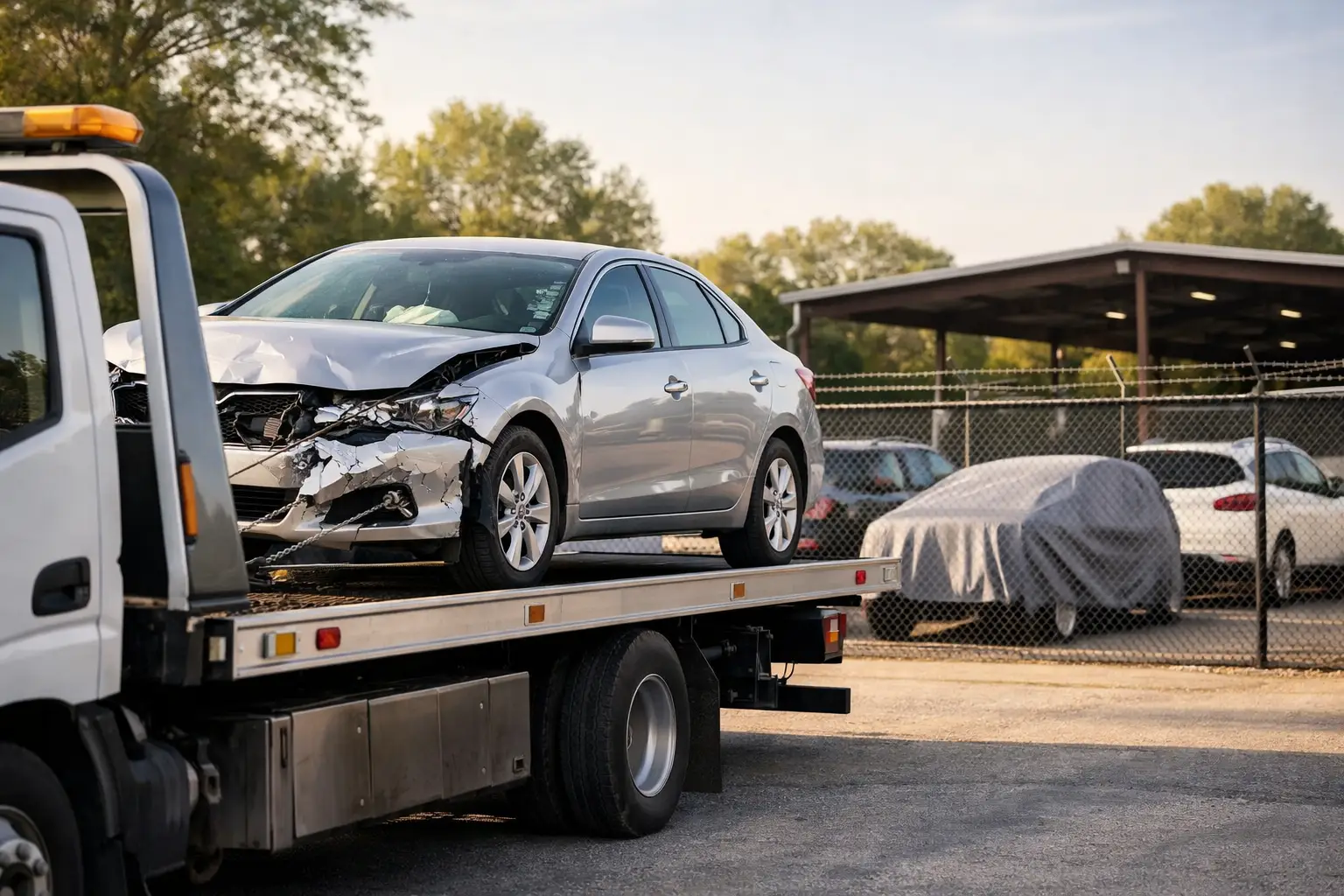
That is why dispatch details matter. A trained operator needs to know your location, the type of vehicle, whether it is blocked in traffic, and whether there is visible damage that changes how it should be loaded. For many accident scenes, flatbed towing is the safer choice because it keeps all four wheels off the road and reduces the chance of added damage during transport.
If law enforcement is involved, they may direct where the vehicle goes first. In other cases, the driver or owner can choose the tow provider and destination. When you are under pressure, it helps to know that you usually have options.
Your main accident towing and vehicle storage options
After a collision, your vehicle usually goes to one of three places: a body shop, a mechanic, or a storage yard. The right choice depends on the condition of the vehicle, your insurance process, and whether the car is ready for repair.
A direct tow to a repair shop makes sense when the damage is clear, the shop is expecting the vehicle, and the car does not need to sit in temporary storage. This can save time and may help you avoid extra storage fees. The trade-off is that some drivers are not ready to choose a repair shop at the scene, especially if the accident happens late at night or far from home.
A tow to a mechanic can be the better call when the damage is uncertain and you need an inspection before deciding on full repairs. That is common after moderate impacts where drivability is questionable but body damage alone does not tell the whole story.
A storage yard is often the most practical answer when the accident happens after hours, when a shop is closed, or when the insurance company still needs to inspect the vehicle. Secure storage gives you time to make the next decision without leaving the vehicle exposed on the roadside or in an unsafe lot.
When secure storage is the smart move
Storage is not just a holding area. In many cases, it protects the vehicle and helps prevent more problems while you sort out repairs, insurance, and transportation.
If the car has broken glass, body damage, or electrical issues, leaving it in the wrong place can create security and liability risks. A proper storage facility gives you a controlled location while paperwork and inspections move forward. That matters even more if the crash happened at night, during bad weather, or in a high-traffic area where you need the car removed fast.
There are also cases where a vehicle should not go straight to a shop. If an insurance adjuster needs to inspect it first, or if you are waiting to confirm where repairs will be done, temporary storage keeps your options open. It is a practical step, not a delay.
Choosing between a tow yard and a repair facility
This decision often comes down to timing. If your preferred repair shop is open, has space, and is ready to receive the vehicle, sending it there can reduce handoffs and keep the process moving. Fewer transfers generally mean less hassle.
If that is not possible, a tow yard gives you breathing room. You are not forced into a rushed repair decision from the side of the road. You can talk to your insurer, confirm where the car should go, and arrange the next move once the situation is calmer.
The trade-off is cost and coordination. Storage yards may charge daily fees, and you may need a second tow later if the vehicle is moved to a body shop. That is why fast communication matters. A professional towing company should explain your options clearly so you know what happens next.
Why the type of tow truck matters after a crash
Accident towing is not the same as moving a running car from one address to another. The wrong equipment can make damage worse.
Flatbed towing is often the safest choice for wrecked cars, SUVs, motorcycles, and many all-wheel-drive vehicles. It keeps the vehicle fully off the ground and is especially useful when tires are damaged, steering is affected, or the car cannot roll normally. Wheel-lift towing can still be appropriate in select situations, but only when the condition of the vehicle allows it.
For larger vehicles, including some vans, work trucks, and medium-duty units, the operator may need specialized recovery equipment and a heavier truck. This is one reason fast dispatch should still be informed dispatch. Speed matters, but sending the right truck matters just as much.
What to ask before your vehicle is towed
In a stressful moment, you do not need a long checklist. You need a few clear answers. Ask where the vehicle is going, what type of truck is being sent, whether storage is available if needed, and what documents or release steps may come up later.
It is also smart to confirm that the company is licensed and insured. That should not be an extra benefit. It should be the baseline. When your vehicle has already been through an accident, secure handling and proper coverage are not optional.
If you are in the Kenner or New Orleans area, response time is another major factor. Waiting too long on the shoulder or in an active roadway creates more risk. A 24/7 towing company with trained operators and a rapid dispatch process can make the situation safer much faster.
Common mistakes drivers make after a collision
One of the biggest mistakes is choosing the first option without understanding where the vehicle will end up. That can lead to unnecessary delays, higher storage charges, or a second tow you could have avoided.
Another mistake is assuming a car is safe to drive because it still starts. After an accident, hidden issues like bent suspension parts, leaking fluids, or damaged steering components can turn a short drive into a much bigger problem. If there is any doubt, tow it.
Drivers also sometimes focus only on price. Cost matters, but cheap towing is not a bargain if the vehicle is handled improperly or the company cannot store it securely. After a crash, value means fast response, the right equipment, trained operators, and safe transport from pickup to drop-off.
Accident towing and vehicle storage options for different situations
A rear-end collision in city traffic is different from a highway crash or a vehicle that slid into a ditch during heavy rain. In a minor urban crash, the goal may be quick clearance and a direct tow to a shop. On the highway, safety and fast roadside removal come first. In off-road or weather-related incidents, recovery equipment may be needed before towing even begins.
Travelers passing through New Orleans or Kenner have another layer to think about. If you are far from home, temporary storage may be the best move while you figure out repairs, insurance, or long-distance transport. Rideshare drivers and commuters may need a fast tow to a trusted local shop to reduce downtime. Families may prioritize a secure yard first, then decide once everyone is safely home.
That is why there is no one-size-fits-all answer. The best option depends on damage, timing, location, and what needs to happen next.
Why local, 24/7 service makes a difference
After an accident, every extra hour can create more stress. You may be dealing with police, insurance, missed work, or trying to get home with kids in the car. A local towing company that knows the roads, traffic patterns, and service area can move faster and make better dispatch decisions.
For drivers in Kenner and the New Orleans metro, that local response matters at 2 p.m. and at 2 a.m. The best towing support is not just available. It is ready to send the right operator, with the right truck, to the right location without wasting time.
That is the standard companies like Zain Towing LLC are built around - fast, friendly help backed by licensed, insured service and safe vehicle handling when the situation is already hard enough.
If you ever need accident towing, keep the next step simple: get the vehicle out of danger, ask where it will be stored or delivered, and choose a team that treats speed and safety like they both matter.
Need help right now?
Zain Towing runs 24/7 in Kenner, New Orleans, Metairie, Harahan and Gretna. Call (504) 666-9099 or see our towing service, roadside assistance and New Orleans pages.