Accident Towing Checklist Steps That Help Fast
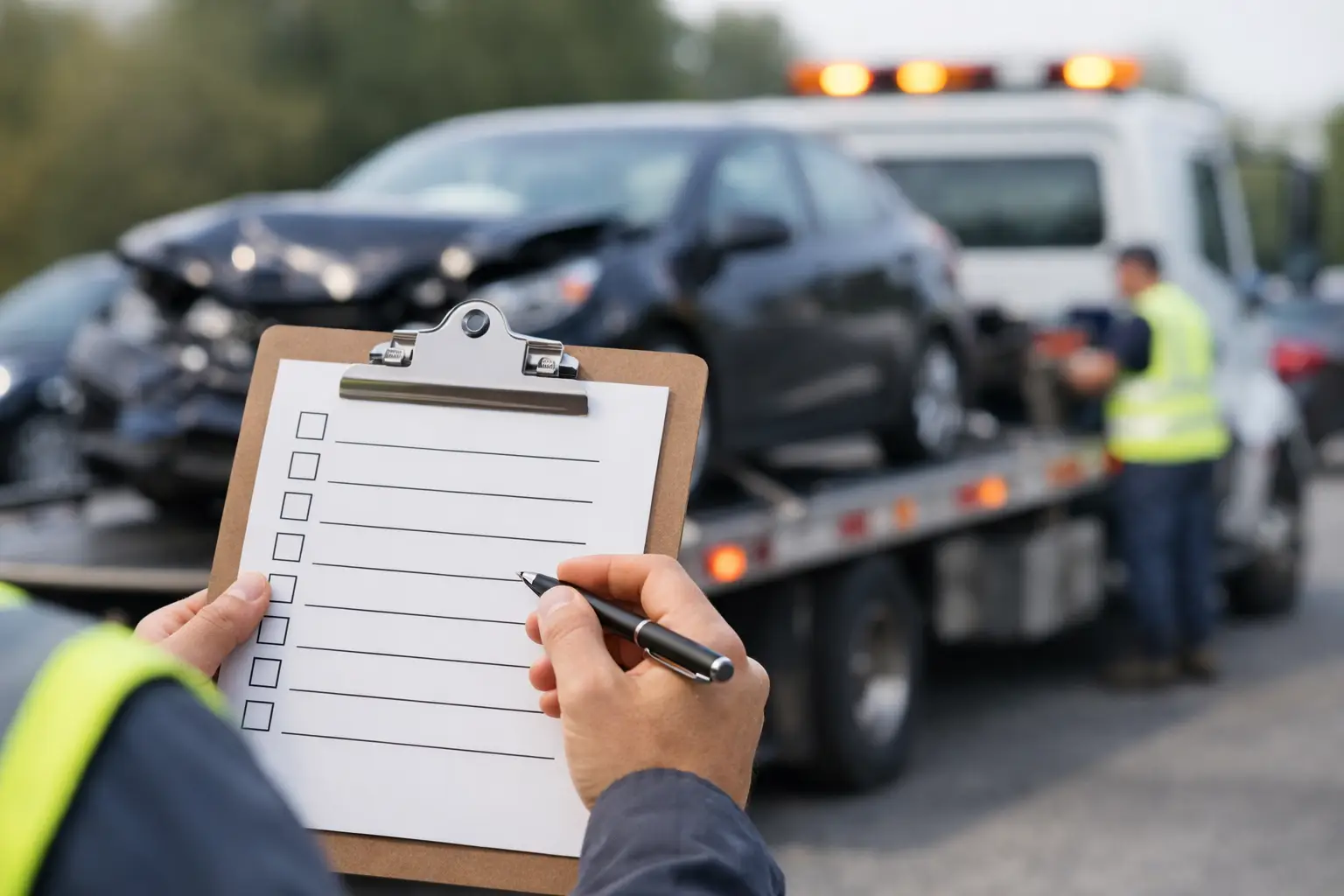
A crash leaves very little room for guesswork. In those first few minutes, the right accident towing checklist steps can protect your safety, preserve evidence, and keep your vehicle from suffering more damage during recovery and transport.
If your car is blocking traffic in Kenner, on a shoulder near New Orleans, or in a parking lot after a low-speed impact, the priority is not just getting a tow. It is getting the right tow, handled the right way, without adding another problem to an already stressful situation. That means thinking clearly about safety, documentation, vehicle condition, and who is taking possession of the car.
Start with safety before towing
Before anyone talks about hooks, straps, or destinations, make sure the scene is as safe as possible. If the vehicle can be moved and police have not instructed you to leave it in place, move it out of traffic. If it cannot be moved, turn on your hazard lights and stay in a safe location away from moving vehicles.
Check yourself and any passengers for injuries. If there is any sign of injury, call 911 first. Towing can wait a few minutes. Medical help cannot.
If the accident involves leaking fluids, smoke, deployed airbags, or a hard impact to the wheels or frame, assume the vehicle may not be safe to drive even if it still starts. A lot of post-crash damage is not obvious from the driver seat. Trying to limp the car down the road can make a bad situation worse.
The accident towing checklist steps that matter most
When stress is high, a simple order helps. These accident towing checklist steps are the ones drivers should focus on first.
1. Confirm everyone is safe
Make sure passengers are accounted for and moved to a safe area if possible. If another vehicle is involved, avoid arguments and keep the situation calm. Safety and documentation come before fault discussions.
2. Call emergency services if needed
If there are injuries, blocked lanes, major debris, or a dangerous position on the road, call 911. In some cases, law enforcement will direct traffic and advise when the vehicle can be removed.
3. Document the scene before the tow
Take photos of all sides of your vehicle, the interior if airbags deployed, the roadway, skid marks, debris, license plates, and the other vehicle or vehicles involved. Get wide shots and close-ups. If the vehicle is moved before you take pictures, some useful context is lost.
This matters for insurance, but it also matters for towing. A clear record of wheel damage, bumper damage, underbody contact, or broken glass can help confirm the condition of the vehicle before transport.
4. Ask whether your car needs a flatbed
Not every accident-damaged vehicle should be towed the same way. If the car has front-end damage, rear-end damage, suspension damage, a locked wheel, all-wheel drive, or low ground clearance, a flatbed is often the safer choice. It reduces the risk of dragging, scraping, or putting stress on already damaged components.
A standard wheel-lift tow may still be appropriate in some situations, but after an accident, it depends on the condition of the vehicle. When in doubt, tell dispatch exactly what happened and what parts of the vehicle were hit.
5. Remove valuables and essentials
Before the vehicle leaves, take your phone charger, wallet, keys, medication, work items, child seats if needed, toll tags if removable, and anything valuable in plain sight. If the car is going to a body shop or storage lot, you may not have quick access later.
6. Verify the destination
Do not assume the tow operator knows where the car should go unless you have confirmed it. Is it going to your home, a repair shop, a collision center, or an insurance-approved location? Make sure the address is correct and ask what happens if the shop is closed.
7. Get the towing company details
Write down the company name, truck number if visible, operator name if available, and where the vehicle is being taken. A professional towing company should be clear about all of this. Licensed and insured service is not a bonus after an accident. It is the standard you should expect.
Why the right tow method matters after a crash
After a collision, vehicle damage is often more complicated than it looks. A bumper cover may hide structural damage. A tire may still hold air even though the suspension is bent. A vehicle that rolls a few feet may still be unsafe to pull by two wheels.
That is why dispatch details matter. If you tell the towing company that the airbags deployed, the wheel is turned sideways, the axle looks damaged, or fluid is leaking, they can send the right truck and equipment from the start. That saves time and reduces the chance of additional damage during loading.
For many post-accident recoveries, the fastest option is not always the simplest option. A truck that arrives quickly but is not equipped for the damage can create delay at the scene. A properly matched tow is usually the better call.
Common mistakes drivers make after a crash
One of the biggest mistakes is trying to drive a damaged vehicle because it still starts. Starting is not the same as being roadworthy. Steering, braking, alignment, tire position, and fluid loss all matter more than whether the engine turns over.
Another mistake is failing to photograph the car before it is loaded. Once the vehicle is on the truck, the angle changes, the position changes, and small details can be harder to show later.
Drivers also sometimes leave paperwork, electronics, or personal items inside because they are focused on getting off the road. That is understandable, but it creates problems later, especially if the vehicle goes to an impound or closed repair facility.
The other common issue is choosing a tow without asking basic questions. Is the company available 24/7? Are they licensed and insured? Can they handle accident recovery safely? Do they have the right equipment for your vehicle type? Those questions matter even more if you drive an SUV, truck, motorcycle, or specialty vehicle.
Accident towing checklist steps for insurance and repair coordination
Towing is one part of the process. What happens next can affect your claim, your repair timeline, and your out-of-pocket costs.
Call your insurance carrier as soon as it is practical. Ask whether they want the vehicle moved to a specific shop or inspection location. If you already have a preferred repair shop, confirm they can receive the vehicle and whether after-hours drop-off is allowed.
It is also smart to ask about storage. If a vehicle sits at a yard or non-repair location too long, storage charges can add up. Sometimes the fastest tow from the roadside is not the cheapest final outcome if the destination is not planned correctly.
If police are involved, ask how to obtain the report number. Keep the tow receipt and any written drop-off information. The cleaner your records are, the easier the next steps usually become.
What to tell dispatch when you need a tow now
A good dispatch call saves time. Give your exact location first, then describe the vehicle and the damage. Mention if the car is in traffic, in a ditch, in a parking garage, or unable to roll. Say whether the airbags deployed, whether a wheel is broken, and whether the vehicle is leaking fluid.
Also tell them the vehicle type. A compact car, pickup, SUV, motorcycle, or medium-duty work vehicle may require different equipment. If you are not sure what matters, just describe what you see. A trained dispatcher can help determine the safest setup.
For local drivers in the Kenner and New Orleans area, response time matters because traffic conditions can change fast. A clear call helps get the right truck to you with fewer delays. That is exactly why companies like Zain Towing focus on rapid dispatch, trained operators, and secure transport from the first call.
When you should not wait to request towing
If the steering feels off, the wheel is rubbing, the car is leaking, the airbags deployed, or the vehicle took a hit near the tires or undercarriage, do not gamble on driving it. The same goes for hybrid and electric vehicles after certain impacts. Those situations need careful handling, and sometimes the risks are not visible from the outside.
Even a minor-looking accident can leave the vehicle unsafe at highway speed. Calling for a professional tow early can prevent a second breakdown, a roadside hazard, or a more expensive repair later.
A simple way to stay calm at the scene
You do not need to know everything about towing to make good decisions after a crash. Focus on three things in order: protect people, document the vehicle, and make sure the tow is handled by a professional using the right equipment for the damage.
That approach keeps the process clear when the scene is not. If you ever find yourself stuck on the roadside after an accident, the best next move is the one that gets you and your vehicle out safely, without rushing past the details that matter.
Need help right now?
Zain Towing runs 24/7 in Kenner, New Orleans, Metairie, Harahan and Gretna. Call (504) 666-9099 or see our towing service, roadside assistance and New Orleans pages.