
12 Best Items to Keep in Trunk
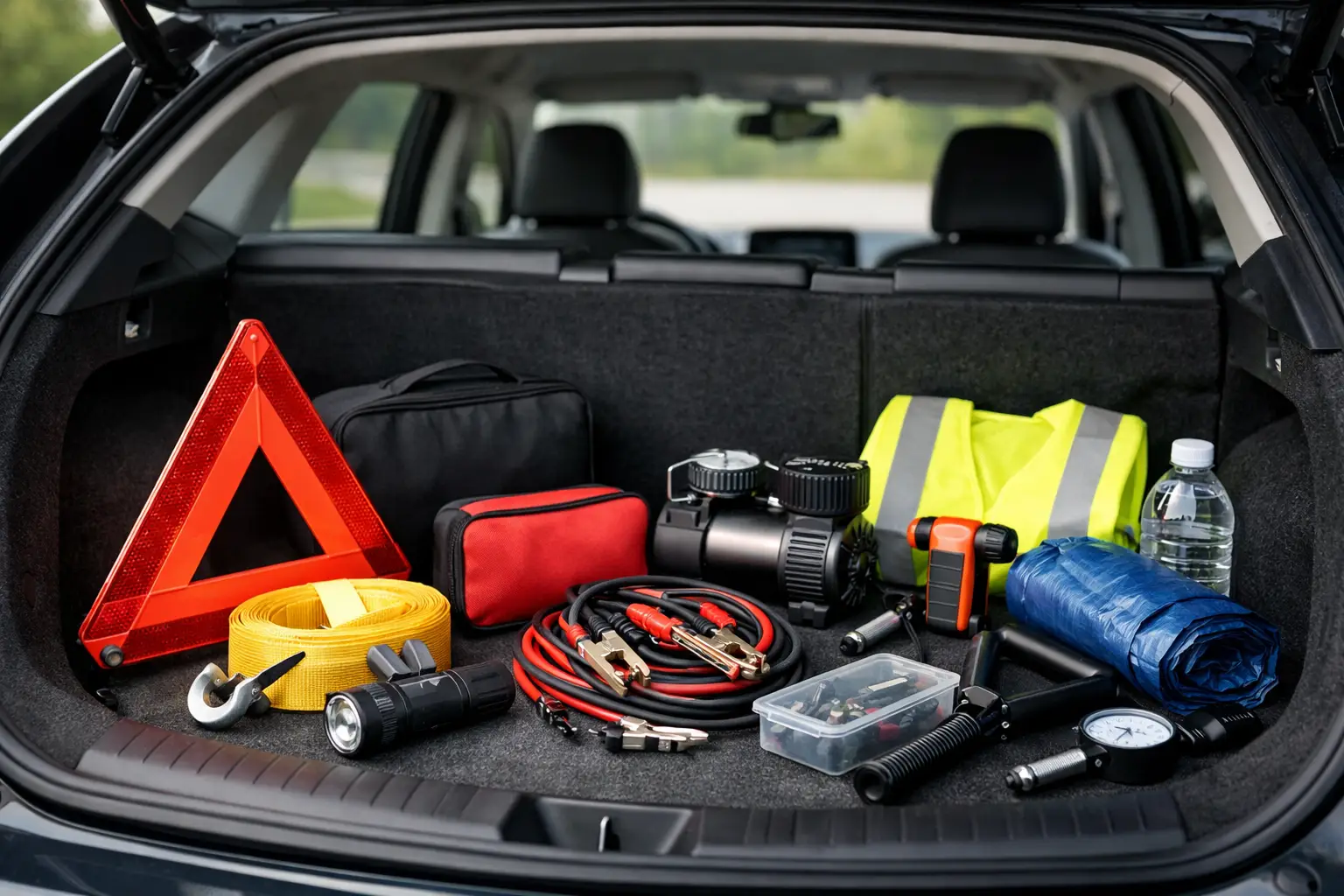
A dead battery on Airline Drive or a flat tire on I-10 gets stressful fast. The best items to keep in trunk are the ones that help you stay safe, visible, and ready while you wait for roadside help or handle a small problem yourself. You do not need to turn your car into a hardware store. You just need the right gear.
For drivers around Kenner and New Orleans, that matters even more. Heat, heavy rain, long bridge crossings, traffic backups, and storm season can turn a minor issue into a real delay. A smart trunk setup buys you time, reduces risk on the shoulder, and helps you avoid making a bad situation worse.
Why the best items to keep in trunk matter
Most breakdowns are not dramatic. They are common problems like a weak battery, low tire pressure, a puncture, dead phone battery, or getting stuck somewhere without basic supplies. The goal is not to prepare for every possible disaster. The goal is to cover the issues drivers run into most often.
A good trunk kit also helps you make better decisions under pressure. If you have a flashlight, reflective triangles, water, and a charged jump starter, you are less likely to stand too close to traffic, drain your phone, or accept unsafe help from a stranger. That is especially important at night or during bad weather.
12 best items to keep in trunk for everyday driving
1. A compact jump starter
This is one of the most useful items you can carry. A portable jump starter lets you deal with a weak or dead battery without needing a second vehicle. That is a big advantage in a dark parking lot, at work, or on the roadside when traffic is moving fast.
Choose one that is rated for your vehicle size and recharge it on schedule. The trade-off is that these units are easy to forget about, so set a reminder every few months to check the charge.
2. Tire inflator and pressure gauge
A slow leak does not always mean you need a tow right away. A small air compressor that plugs into your vehicle can get a low tire back to a safe pressure long enough to reach a tire shop. Pair it with a simple pressure gauge so you are not guessing.
This works well for minor pressure loss, not for sidewall damage or a blowout. If the tire is visibly damaged, do not try to push your luck.
3. Tire sealant for temporary fixes
Sealant can help with small tread punctures, and it is useful if you are in a spot where changing a tire would be unsafe. It is not a permanent repair, and it will not fix every flat, but it can get you out of a bad location.
Some tire shops do not love dealing with sealant, so use it as a short-term solution, not your first choice in every situation.
4. Reflective warning triangles or road flares
If you are stopped on the shoulder, visibility matters. Reflective triangles give other drivers more time to see you, especially in rain, fog, or low light. Battery-powered flares are also a strong option because they are easier to store and safer than traditional flares.
For busy roads and bridges, this is one of the smartest items in your trunk. It protects you before anything else gets fixed.
5. A bright flashlight with extra batteries
Your phone flashlight is fine until your battery drops to 8 percent. A real flashlight helps you inspect a tire, read under the hood, or signal for help. It is also useful if you need to gather belongings after a minor collision.
LED models are best because they last longer and handle trunk storage better. Keep spare batteries in a sealed bag if your flashlight is not rechargeable.
6. First aid kit
A basic first aid kit belongs in every vehicle. You are not trying to stock an ambulance. You just want essentials like bandages, gauze, antiseptic wipes, gloves, and pain reliever.
This is useful for small cuts, scrapes, and minor injuries while waiting for professional help. Replace used or expired items so the kit stays ready.
7. Bottled water
In south Louisiana heat, water is not optional. If you are stuck in traffic after a breakdown or waiting on the side of the road in summer, even a short delay can get uncomfortable quickly.
Keep a few bottles in the trunk and rotate them out regularly, since long-term heat exposure is not ideal. Water is for drinking first. Do not count on it as a fix for your vehicle.
8. Phone charger and backup power bank
If your car will not start, your phone becomes your lifeline. A charging cable is basic, but a backup power bank gives you extra protection if your vehicle has no power or you are outside the car.
This is one of the easiest things to overlook until you need to call for a tow, send your location, or check directions from a safe spot.
9. Work gloves and a rain poncho
You do not need to be a mechanic to benefit from gloves. They help if you need to move debris, handle a dirty spare tire, or connect a jump starter without slipping. A rain poncho matters more than people think, especially during sudden Gulf Coast downpours.
These two items take up very little space and make roadside situations much easier to manage.
10. A basic tool kit
A small tool kit with screwdrivers, pliers, an adjustable wrench, and duct tape can help with simple problems like a loose battery terminal cover or minor trim issues after hitting road debris. Keep expectations realistic. This is for basic adjustments, not major repairs on the shoulder.
If you are not sure what you are doing, it is safer to stop and call for help.
11. Blanket or towel
A towel has more uses than most drivers expect. It can protect your knees if you have to kneel on wet ground, wipe off your hands, pad a fragile item, or help with a small spill. A light blanket is useful if you are stranded late at night, traveling with kids, or dealing with cold air after a storm.
This is a low-cost item that earns its space.
12. Paper copies of key information
Keep your insurance card, registration, and important phone numbers easy to access. If your phone dies, breaks, or has no signal, paper backups still work. You can also keep a small notepad and pen for accident details.
Do not leave highly sensitive personal documents loose in the car. Store what you need in a sealed organizer.
What to skip or store carefully
Not everything belongs in a trunk full-time. Aerosol cans, certain medications, and anything heat-sensitive can become a problem in Louisiana temperatures. Cheap batteries also degrade faster in extreme heat.
If you carry tools, secure them so they do not roll around. In a crash, loose items can become hazards. A small storage bin or organizer keeps your setup cleaner and safer.
Best items to keep in trunk if you drive a lot
If you commute daily, drive for rideshare, or travel across the metro area for work, build your kit around time on the road. Add a spare phone cable, extra water, a flashlight you know works, and stronger visibility gear. If you drive an SUV, truck, or older vehicle, a better jump starter and tire inflator are worth the extra cost.
Families may want wipes, snacks, and a small change of clothes for kids. Travelers passing through may care more about battery backup and printed emergency contacts. The right setup depends on who is in the vehicle and how far you usually are from help.
Your trunk kit does not replace professional roadside service
A trunk kit is there to protect you and handle minor issues. It does not replace trained roadside assistance for a dangerous tire failure, accident damage, lockout, dead battery that will not hold charge, or a vehicle that should not be driven. Trying to force a temporary fix can lead to more damage and a less safe situation.
That is why preparation should include two things: supplies in your trunk and a plan for who to call when the problem is bigger than your tools. Around Kenner and New Orleans, that means keeping a trusted local towing and roadside number handy for the moments when speed and safe vehicle handling matter most.
The best trunk setup is not the biggest one. It is the one that helps you stay calm, stay visible, and make the next smart move when the road does not go as planned.
Need help right now?
Zain Towing runs 24/7 in Kenner, New Orleans, Metairie, Harahan and Gretna. Call (504) 666-9099 or see our towing service, roadside assistance and New Orleans pages.