
10 Best Questions to Ask a Tow Operator
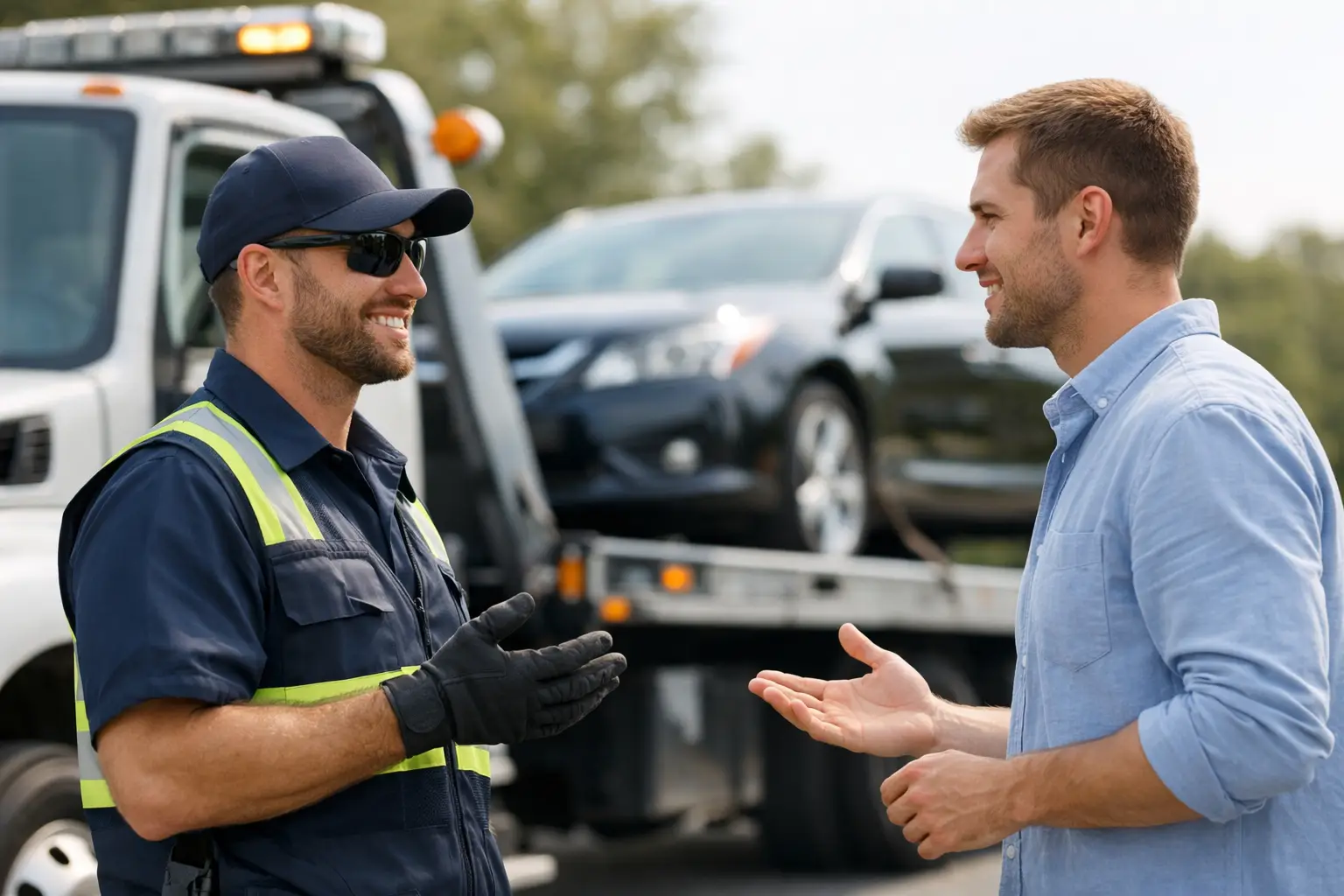
When your car quits on I-10, in a parking lot, or outside your own driveway, you do not need a long lesson on towing. You need the best questions to ask tow operator before the truck arrives or before your vehicle gets hooked up. A two-minute conversation can tell you a lot about response time, pricing, equipment, and whether your vehicle is going to be handled the right way.
The goal is simple: get help fast, avoid surprises, and make sure your vehicle reaches the destination safely. If you are stressed, start with the questions below and work through them in order. They are the ones that matter most when time is tight.
Why the right questions matter
Not every towing situation is the same. A compact sedan with a dead battery is different from an SUV after a collision. An all-wheel-drive vehicle may need a flatbed. A lowered car, motorcycle, pickup truck, or work van may need specific equipment and loading methods.
That is why the first call matters. A reliable company should be able to tell you what kind of truck is being dispatched, how long it should take, what the service will likely cost, and how they will protect your vehicle. If the answers are vague, rushed, or inconsistent, that is a warning sign.
Best questions to ask a tow operator before service
1. How soon can you get here?
This is usually the first question because it affects everything else. If you are blocking traffic, stuck in an unsafe area, or dealing with bad weather, response time is not a small detail.
Ask for a realistic ETA, not a guess. A professional dispatcher or operator should give you a time range based on your location, traffic, and truck availability. Fast service matters, but honesty matters too. A promised 15 minutes that turns into an hour is worse than being told 30 minutes upfront.
2. What is the total price, and what does it include?
Pricing should be clear before service starts. Ask whether the quote includes hookup, mileage, winching if needed, after-hours charges, storage if applicable, and any extra fees for special situations.
A cheap starting price can sound good until add-ons appear later. The better question is not just, “How much is a tow?” It is, “What is included in that price, and what could make it go up?” That gives you a more accurate picture and helps you compare providers fairly.
3. Are you licensed and insured?
This is one of the best questions to ask a tow operator because it speaks directly to your risk. If your vehicle is damaged during loading, transport, or unloading, you want to know the company is operating properly and has coverage in place.
A professional towing provider should have no problem answering this clearly. If the response sounds evasive or dismissive, move on. When someone is transporting your vehicle, legitimacy is not optional.
4. What type of tow truck are you sending?
The right equipment helps prevent damage. Flatbeds are often the safest choice for many vehicles, especially all-wheel-drive cars, luxury models, lowered cars, motorcycles, and vehicles with wheel or suspension damage. In other cases, a wheel-lift tow may be appropriate.
Ask what truck is being sent and why it fits your vehicle. A trained operator should be able to explain this in plain language. If they do not ask about your vehicle type, condition, or whether it was in an accident, they may not be thinking far enough ahead.
5. Have you towed vehicles like mine before?
This question matters more than people think. Towing a basic sedan is one thing. Towing a pickup, EV, motorcycle, box truck, RV, or boat trailer is another. Even within passenger vehicles, some cars have low ground clearance, sensitive bumpers, or manufacturer-specific tow points.
Experience reduces the chance of mistakes. You are not looking for a sales pitch. You are looking for confidence backed by specifics. A good operator can tell you how they handle your type of vehicle and what precautions they take.
Questions that protect your vehicle
6. How will you avoid damage during loading and transport?
A careful answer here tells you a lot about the company. The operator should mention the right towing method, secure tie-down procedures, and attention to low clearance, drivetrain type, or existing damage.
This is especially important after an accident or if the vehicle has mechanical issues. If a car cannot roll, steer, or shift normally, the loading process changes. The operator should know that and adjust the plan. Safe handling is not just about getting the car on the truck. It is about protecting it at every step.
7. Do you need anything from me before arrival?
This question helps speed things up. You may need to share the exact location, vehicle make and model, whether the keys are available, the condition of the tires, and whether the car is in park, neutral, or damaged.
If you are on the shoulder or in a lot with limited access, the operator may also need landmarks or instructions for gate entry. The more accurate the information, the faster the dispatch and the lower the chance of the wrong truck being sent.
8. Where will my vehicle be taken?
Never assume the destination is understood. Confirm the drop-off point clearly. That could be your home, a repair shop, a dealership, a body shop, or another address.
If the vehicle is being taken after an accident, ask whether it is going directly to your chosen location or to a storage yard first. That difference affects cost, access, and timing. Clear destination details prevent confusion once your vehicle is already loaded.
Questions to ask a tow operator if you are in a high-stress situation
9. What should I do while I wait?
A solid towing company should give practical safety instructions based on your situation. If you are stranded roadside, they may tell you to move to a safe area, turn on hazard lights, stay away from traffic, and keep your phone available for updates.
This question is especially useful at night, in heavy rain, or after a collision. The right answer should be simple, calm, and focused on your safety first. Good service starts before the truck gets there.
10. Can you help with roadside service instead of a tow?
Not every problem requires towing. If you have a dead battery, flat tire, lockout, or minor issue, roadside assistance may get you moving faster and at lower cost.
This is where honesty matters. A trustworthy provider will tell you if a jump-start, tire change, or lockout service makes more sense than a tow. Sometimes towing is still the safer option, especially if there is deeper mechanical damage, but it is worth asking.
Red flags to listen for on the phone
You do not need to be a towing expert to spot trouble. If the company cannot give even a rough ETA, avoids pricing questions, does not explain fees, or seems careless about your vehicle type, be cautious.
Another red flag is pressure without clarity. In an emergency, speed matters, but that does not mean you should accept vague answers. A professional operation should be fast and organized. For drivers in Kenner and New Orleans, that means clear dispatch, trained operators, proper equipment, and safe transport from pickup to drop-off.
A quick script you can use when calling
If you are stressed and do not know what to say, keep it simple. Tell them your location, your vehicle type, what happened, and where you want the vehicle taken. Then ask three immediate questions: how soon can you get here, what is the full price, and what kind of truck are you sending?
After that, ask whether they are licensed and insured and whether they have experience with your vehicle type. Those few questions cover the biggest risks without slowing down the dispatch process.
When the answers may depend on the situation
There is no single perfect answer to every towing question because the right service depends on your vehicle, location, and condition. A standard tow from a driveway is usually straightforward. A recovery from mud, a post-accident load, or a disabled all-wheel-drive vehicle may require more time, different equipment, and a higher price.
That does not mean the company is being difficult. It means towing is situational. What matters is whether they explain the reason clearly. Straight answers build trust quickly.
A dependable local company like Zain Towing LLC should make this process feel easier, not more confusing. When you ask the right questions, you are more likely to get fast dispatch, fair pricing, and the kind of handling that protects your vehicle when it matters most.
The next time you need help, do not just ask who can show up. Ask who can show up prepared, explain the job clearly, and move your vehicle safely the first time.
Need help right now?
Zain Towing runs 24/7 in Kenner, New Orleans, Metairie, Harahan and Gretna. Call (504) 666-9099 or see our towing service, roadside assistance and New Orleans pages.