Best Reasons to Use a Flatbed Tow Truck
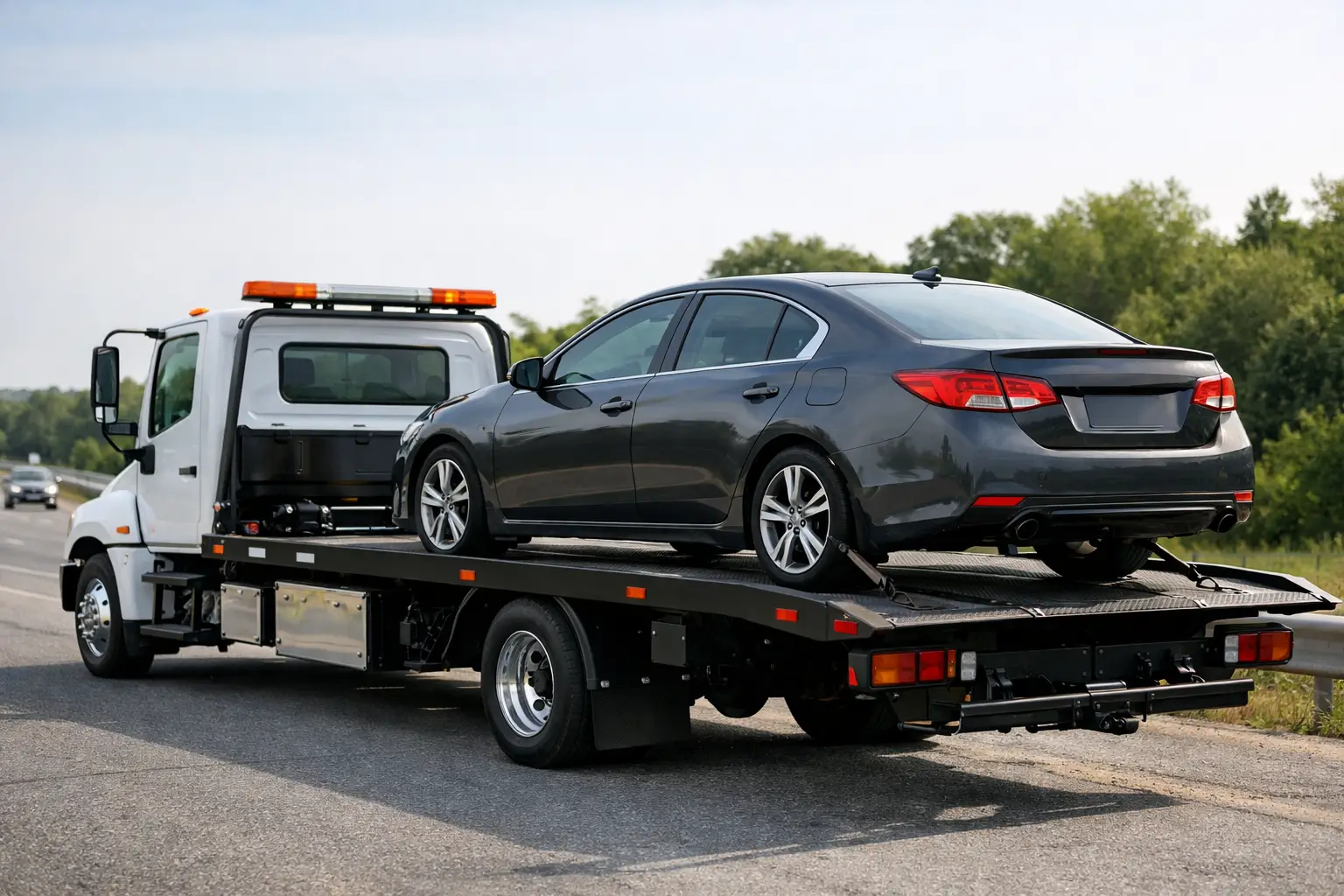
A breakdown on I-10, a collision near Kenner, or a vehicle that simply will not start can put you in a difficult position fast. One of the best reasons to use a flatbed tow truck is simple: your entire vehicle rides above the road instead of being pulled with two wheels rolling behind the tow truck. That added protection can make a real difference when your car, truck, SUV, motorcycle, or specialty vehicle needs to get from pickup to destination safely.
Flatbed towing is not automatically required for every tow. But when preventing added damage is the priority, it is often the smartest choice. A trained operator can assess your vehicle, its condition, and the recovery location, then use the right equipment to secure it for transport.
Why Choose a Flatbed Tow Truck?
A flatbed tow truck uses a hydraulic bed that tilts or slides down to load the vehicle. Once loaded, the vehicle is secured to the deck with proper tie-down equipment and transported with all four wheels off the pavement.
That setup differs from a wheel-lift tow, where a vehicle is lifted at one end and towed with the other wheels on the road. Wheel-lift towing is useful in many situations, especially tight spaces and straightforward local tows. A flatbed is often the better option when the vehicle cannot safely roll, has drivetrain concerns, sits low to the ground, or needs the highest level of protection during transport.
For drivers dealing with an already stressful situation, the goal is not to choose equipment on your own. Give the dispatcher accurate details about the vehicle and what happened. A professional towing company can send the truck that fits the job.
The Best Reasons to Use a Flatbed for Your Vehicle
1. It helps prevent further damage after an accident
After a collision, damage is not always visible. A bent wheel, damaged suspension, leaking fluid, loose bumper, or shifted alignment can make it unsafe to tow a vehicle with its wheels on the road. Moving it incorrectly may worsen the problem.
With a flatbed, the vehicle can be loaded and secured without relying on its tires, steering, or drivetrain to travel behind the tow truck. This is especially useful after front-end, rear-end, or undercarriage damage. If a vehicle is not safe to drive, it may not be safe to pull on its own wheels either.
2. It protects all-wheel-drive and four-wheel-drive vehicles
Many all-wheel-drive and four-wheel-drive vehicles should not be towed with one axle on the ground unless the manufacturer specifically allows it and the proper procedure is followed. Towing them the wrong way can put unnecessary stress on drivetrain components, including the transmission, transfer case, and differential.
A flatbed keeps every wheel off the road. That is why it is commonly recommended for AWD crossovers, 4WD trucks, SUVs, and performance vehicles with complex drivetrains. When you are unsure how your vehicle should be towed, flatbed transport is often the cautious choice.
3. It is a safer option for low-clearance vehicles
Sports cars, luxury sedans, modified vehicles, and cars with lowered suspension need extra attention during loading. A steep angle, loose equipment, or improper attachment point can scrape body panels, bumpers, exhaust components, and undercarriage parts.
Experienced flatbed operators use the right loading approach for low-clearance vehicles. In some cases, ramps, boards, or careful winching may be needed to reduce the loading angle. The point is not just getting the vehicle onto a truck. It is getting it there without creating expensive cosmetic or mechanical damage.
4. It is ideal when the vehicle will not roll or steer
A dead battery is one thing. A locked wheel, flat tire, broken axle, failed steering component, or seized engine is another. If the vehicle cannot roll freely or be safely guided, a wheel-lift tow may not be appropriate.
Flatbed trucks can use a winch to pull a disabled vehicle onto the deck under controlled conditions. The operator will evaluate the situation before loading, because a vehicle with severe damage or blocked wheels may require additional recovery equipment. This is one reason accurate information matters when you call for service.
5. It gives motorcycles and specialty vehicles a more secure ride
Motorcycles should not be handled like standard passenger cars. They require specialized tie-down methods that support the bike correctly and keep it upright during transport. A flatbed provides a stable platform for that secure loading process.
The same advantage applies to certain classic cars, collector vehicles, small equipment, and vehicles being moved for repair, sale, or storage. Owners who have invested time and money into a vehicle usually want it transported with as little road exposure as possible.
6. It reduces road exposure during long-distance transport
Every mile a vehicle travels on its own tires adds exposure to potholes, road debris, tire issues, and unexpected mechanical trouble. For longer local hauls or out-of-town moves, carrying the vehicle on a flatbed can provide added peace of mind.
This matters when transporting a vehicle that is unreliable, recently purchased, not currently registered, or not insured for road use. It can also be the practical answer when moving a vehicle to a dealership, body shop, mechanic, auction, or new home.
7. It works well for vehicles with tire or suspension damage
A vehicle with a blown tire, damaged rim, broken control arm, or suspension problem should not be forced to travel on the road. Even a short tow can create more damage if the wheel is unstable or the vehicle sits unevenly.
A flatbed takes the load off the affected tire and suspension components. It also lets the operator secure the vehicle in a way that avoids putting pressure on a damaged area whenever possible. That can save you from turning one repair into several.
8. It supports careful planned transport, not just emergencies
Flatbed towing is not only for roadside emergencies. It is also useful when you need dependable transport for a vehicle that is not being driven. Maybe you are moving a project car, delivering a vehicle to a repair shop, transporting a motorcycle, or hauling a vehicle after a private sale.
Planned service gives you time to share the pickup location, vehicle condition, destination, and scheduling needs. The towing team can prepare the correct equipment before arrival, which helps keep the process efficient and straightforward.
When a Flatbed May Not Be Necessary
A flatbed offers excellent protection, but it is not the only safe towing method. For a standard two-wheel-drive vehicle with no accident damage, a wheel-lift tow may be efficient and appropriate, particularly for a short local trip or a tight parking area where a flatbed cannot position easily.
The right choice depends on the vehicle, the condition of the wheels and drivetrain, the pickup location, and the destination. Drivers should never feel pressured to guess. Tell the dispatcher whether the vehicle is AWD or 4WD, whether it was in an accident, if the wheels turn, and whether it has low clearance or modifications. Those details help the towing operator arrive prepared.
What to Do While You Wait for a Flatbed Tow
If your vehicle is disabled in a dangerous spot, move to a safe location away from traffic if you can do so without risk. Turn on hazard lights, keep children and passengers out of travel lanes, and avoid standing near the vehicle on a busy road. If you are on a highway shoulder, stay alert to passing traffic and follow instructions from emergency responders.
When you call, have your location, vehicle make and model, destination, and a brief description of the issue ready. Mention any special concern, such as a locked wheel, an accident, a motorcycle, a low vehicle, or a parking garage. Clear details help dispatch send the right truck without delay.
Zain Towing LLC provides 24/7 flatbed towing, recovery, and roadside assistance for drivers in Kenner and the New Orleans area. Licensed, insured, and trained operators focus on secure loading and safe delivery, whether you are stranded now or arranging a planned vehicle move.
When your vehicle needs more than a quick pull to the nearest shop, ask for a flatbed. A few clear details at dispatch can help protect your vehicle, reduce stress at the roadside, and get the right help moving your way.
Need help right now?
Zain Towing runs 24/7 in Kenner, New Orleans, Metairie, Harahan and Gretna. Call (504) 666-9099 or see our towing service, roadside assistance and New Orleans pages.