
12 Best Roadside Items for Breakdowns to Keep
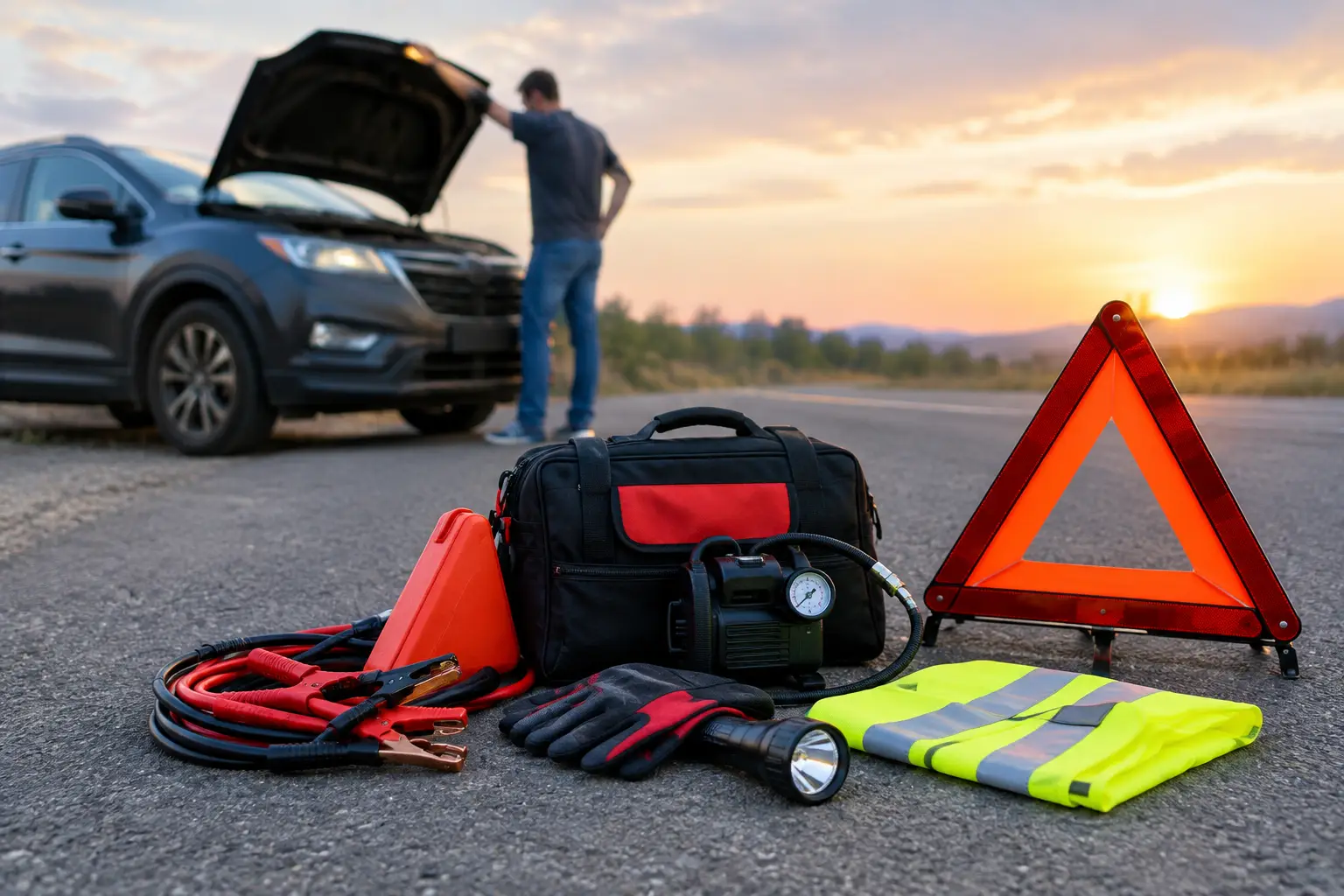
A dead battery on I-10, a flat tire during a Gulf Coast downpour, or an overheated vehicle in Louisiana heat can turn an ordinary drive into a stressful stop fast. The best roadside items for breakdowns are the ones that help you stay visible, protected, and prepared while you wait for professional help or make a safe, simple repair.
A roadside kit is not about turning every driver into a mechanic. It is about buying time, reducing risk, and making sure you have what you need when your vehicle will not move. Keep the kit in a secure, easy-to-reach tote in your trunk or cargo area, and check it twice a year.
Best Roadside Items for Breakdowns: Start With Safety
Your first priority is never getting the vehicle moving again. It is keeping yourself, your passengers, and other drivers safe. If you can safely steer the vehicle out of traffic, move as far from the travel lane as possible, turn on your hazard lights, and avoid standing near passing vehicles.
For a highway breakdown, do not attempt a repair on the shoulder if traffic is moving quickly or visibility is poor. Call for roadside assistance or towing instead. A trained operator with the right equipment can protect the scene and transport your vehicle without adding unnecessary risk.
1. Reflective warning triangles
Three reflective warning triangles are among the most useful items in any vehicle. They help approaching drivers see a stopped car, truck, SUV, or motorcycle trailer from a greater distance, especially at night or in heavy rain.
Place them only when it is safe to walk outside the vehicle. Set them behind your vehicle in the direction traffic is coming from, with more distance on faster roads. Keep the triangles clean and folded in their case so they are ready when needed.
2. High-visibility safety vest
A bright reflective vest makes you easier to see if you need to step outside after dark, during rain, or beside a busy roadway. Store it in the glove box or door pocket instead of the trunk. If the vehicle is stopped in an unsafe position, you should not have to search through cargo to find it.
A vest does not make roadside repairs safe on its own. It simply improves visibility while you move to a safer location, inspect a tire, or speak with the tow operator.
3. Flashlight and spare batteries
Your phone flashlight is helpful until its battery runs low. Keep a dependable LED flashlight in your roadside kit, along with spare batteries or a rechargeable backup. A headlamp is even better for hands-free use when checking a tire, looking under the hood, or finding supplies in the dark.
Choose a water-resistant light. In the New Orleans and Kenner area, sudden rain can make a low-quality flashlight fail at exactly the wrong time.
Power, Communication, and Location Tools
A breakdown is harder when you cannot call for help, share your location, or charge your phone. These items are compact, affordable, and useful far beyond vehicle emergencies.
4. Portable jump starter
A lithium jump starter can get many vehicles running after a weak or dead battery without needing another car nearby. Look for one rated for your engine size and keep its charging cable with it. Read the instructions before an emergency happens, since connecting clamps incorrectly can damage electrical components or create a safety hazard.
A jump starter is a short-term solution, not a diagnosis. If the battery dies again, the alternator, battery, terminals, or electrical system may need service. Do not keep driving and hope for the best if warning lights are on or the vehicle repeatedly loses power.
5. Phone charger and power bank
Keep both a vehicle charging cable and a fully charged power bank. A cable is useful if your vehicle still has power. A power bank matters when the battery is dead, the engine will not start, or you are waiting for a tow with your hazards on.
Before calling for assistance, know your exact location. Use a nearby exit number, cross street, business name, mile marker, or map pin. Clear location details help dispatch send the right truck and reduce delay.
6. Paper backup information
Most drivers store insurance cards and contacts on their phones, but phones can break, lose signal, or run out of power. Keep printed proof of insurance, registration information, emergency contacts, and any roadside membership details in a waterproof envelope.
You do not need to keep every personal document in the vehicle. The goal is to have the basic information needed after a breakdown, accident, or vehicle tow.
Items That Help With Common Vehicle Problems
The next group of roadside essentials can help with smaller issues, but only when conditions are safe. If you are unsure how to use a tool, smell fuel, see smoke, notice leaking fluid, or have a vehicle stopped in traffic, call for professional help.
7. Proper spare tire equipment
A usable spare tire, jack, lug wrench, and wheel-lock key are essential. Check your spare tire pressure during regular maintenance. Many drivers discover their spare is flat only after getting a flat tire.
Also confirm that you know where the jack points are for your vehicle. Using a jack in the wrong spot can damage the underbody or cause the vehicle to shift. For large trucks, SUVs, RVs, or vehicles without a safe spare, tire service or towing is usually the smarter call.
8. Tire inflator and pressure gauge
A compact 12-volt inflator and tire gauge can help when a tire is low but not damaged. They are especially useful after a slow leak, a temperature swing, or a warning from your tire-pressure monitoring system.
Do not inflate a tire that has a sidewall cut, visible bulge, major puncture, or severe damage. A tire in that condition can fail without warning. Keep the vehicle parked and request tire help or a tow.
9. Basic tool kit and work gloves
A small kit with pliers, an adjustable wrench, screwdrivers, zip ties, and duct tape can handle limited tasks such as securing a loose panel or tightening a battery terminal. Add durable work gloves to protect your hands from sharp edges, hot surfaces, and road grime.
Avoid carrying tools that encourage risky roadside repairs. You do not need a full garage in your trunk. A basic kit should support safe, temporary fixes, not major engine, brake, or electrical work on the roadside.
10. Jumper cables
Jumper cables are still useful, particularly if your portable jump starter has not been charged. Choose heavy-duty cables with well-insulated clamps and enough length to reach safely between vehicles.
The trade-off is that cable jumps require a second vehicle and a driver willing to help. Never flag down traffic or stand in an active lane to find assistance. If you cannot safely position both vehicles, wait for professional roadside service.
Comfort Items Matter When Help Takes Time
Breakdowns are not always quick. Weather, road conditions, traffic, and vehicle location can affect arrival times. A few practical comfort items make waiting safer for families, commuters, rideshare drivers, and travelers.
11. Water, snacks, and weather protection
Keep bottled water and shelf-stable snacks in the vehicle, especially during hot weather or longer drives. Replace them regularly. Add a compact rain poncho, light blanket, and disposable hand warmers if you travel during colder months.
In Louisiana summer heat, avoid sitting in a disabled vehicle with no air conditioning for long if you can safely move to a shaded, secure place. Pay close attention to children, older adults, and pets, who can be affected by heat much faster.
12. First-aid kit and emergency blanket
A basic first-aid kit should include bandages, gauze, antiseptic wipes, medical tape, and gloves for minor injuries. An emergency blanket takes almost no space and can help during an extended wait, rainstorm, or unexpectedly cool night.
For a serious injury or an accident with possible medical concerns, call 911. Do not rely on a vehicle first-aid kit as a substitute for emergency medical care.
Build a Kit Around Your Vehicle and Driving Habits
The right roadside kit depends on what you drive and where you go. A daily commuter may prioritize a jump starter, rain gear, and phone power. A family vehicle benefits from extra water, snacks, and blankets. Truck, RV, and trailer owners should carry equipment rated for their vehicle size, but should also recognize when a professional recovery or tow is required.
Check your kit after using it and before hurricane season, road trips, or long-distance travel. Recharge the jump pack, replace expired supplies, inspect the spare tire, and make sure your flashlight works. Preparation is most useful when it is maintained.
If your vehicle is disabled in Kenner, New Orleans, or the surrounding area, do not take chances on a dangerous shoulder or an uncertain repair. Zain Towing LLC provides 24/7 roadside assistance and secure towing with trained operators who can help get you and your vehicle to a safer place. Keep the right supplies close, but let professional help handle the situations that put your safety at risk.
Need help right now?
Zain Towing runs 24/7 in Kenner, New Orleans, Metairie, Harahan and Gretna. Call (504) 666-9099 or see our towing service, roadside assistance and New Orleans pages.