
Best Roadside Safety Checklist for Drivers
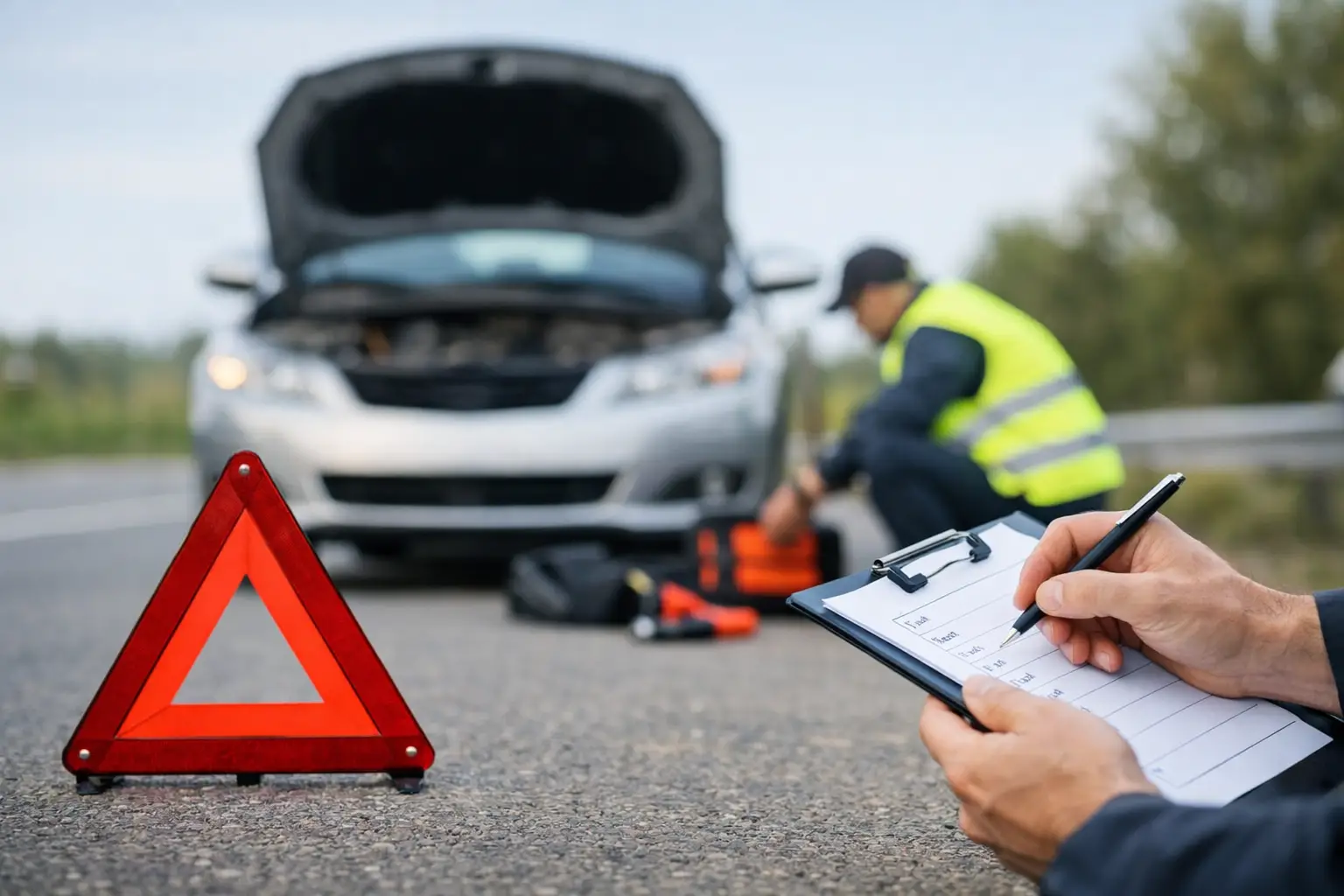
A breakdown can turn dangerous in seconds on I-10, a busy New Orleans interchange, or a narrow road after dark. The best roadside safety checklist drivers can use is not about fixing every problem yourself. It is about getting out of traffic, making your vehicle visible, protecting the people inside, and getting qualified help moving your way.
When your car starts losing power, a tire blows out, or a warning light comes on, your first decision matters more than the repair. Stay calm, make a safe move, and avoid the common mistake of stepping into traffic to inspect the vehicle.
Best Roadside Safety Checklist for Drivers
1. Move off the travel lane if the vehicle will still move
If your vehicle remains controllable, turn on your hazard lights immediately and guide it as far from moving traffic as possible. A parking lot, gas station, frontage road, wide shoulder, or exit ramp is much safer than stopping in a live lane.
Do not slam on the brakes after a tire failure. Hold the wheel firmly, ease off the accelerator, and let the vehicle slow gradually before steering to a safe area. If you are on a bridge, in a construction zone, or where there is no usable shoulder, continue carefully to the nearest safer stopping point only if the vehicle can do so without creating more danger.
Never attempt to drive a vehicle that is smoking heavily, leaking fuel, overheating, or making severe grinding noises. In those situations, stop as far out of traffic as you safely can, shut the engine off, and call for help.
2. Make your vehicle easy to see
Hazard lights are your first warning to approaching drivers. Keep them on while you are stopped, even in daylight. At night, during heavy rain, or in fog, visibility becomes even more critical on Louisiana roads.
If it is safe to access them without entering traffic, use reflective warning triangles or roadside reflectors. Place them only when you have a clear, protected path away from passing vehicles. Do not walk along a narrow shoulder or cross a busy lane to set out equipment. A triangle is not worth risking your life.
Use interior lights sparingly at night. They can help a responding tow operator identify your vehicle, but bright cabin lights may make it harder for you to see outside.
3. Decide whether to stay in the vehicle
For most roadside breakdowns, staying inside the vehicle with the doors locked is the safest option. Keep seat belts fastened, especially when traffic is moving close to the shoulder. Vehicles can drift, and roadside crashes happen fast.
There are exceptions. If your vehicle is on fire, filling with smoke, sitting in a location likely to be hit, or stopped in floodwater, get out only when you can move away from traffic safely. Move well away from the road, staying behind a guardrail if one is available. Never stand directly in front of or behind your vehicle.
On a busy highway, do not wait outside near the driver-side door. If you must exit, use the passenger-side door when it opens toward a safer area. Keep children and pets close. Do not let anyone wander along the shoulder while you wait.
4. Call 911 when the situation is immediately dangerous
Call 911 first if you are injured, stranded in an active lane, involved in a crash, facing an aggressive driver, or stopped where traffic cannot safely avoid you. Emergency responders can help secure the scene and address immediate hazards.
A tow or roadside provider handles vehicle recovery, tire service, jump-starts, lockouts, and transport. Police, fire, and EMS handle urgent threats to life and safety. In some situations, you need both. There is no benefit to trying to decide which problem matters more while you are exposed to traffic. Make the emergency call, then arrange the vehicle help you need.
What to Tell Roadside Assistance Dispatch
Fast help starts with clear information. Before calling, look for a mile marker, cross street, exit number, business name, or a map pin on your phone. “I am on I-10 near New Orleans” is a large search area. “I am eastbound on I-10, just past the Williams Boulevard exit, on the right shoulder” gives dispatch a usable location.
Be ready to provide your vehicle’s make, model, color, and approximate condition. Explain whether you have a flat tire, dead battery, locked keys, mechanical failure, collision damage, or a vehicle that will not start. Let dispatch know if you are towing a trailer, driving an RV, carrying passengers, or in a location with low clearance or difficult access.
Also be honest about the vehicle’s position. A car safely parked in a lot may only need standard roadside service. A vehicle stuck in mud, blocking a lane, or damaged after a collision may require recovery equipment or a flatbed. The right truck and trained operator prevent delays and reduce the risk of further vehicle damage.
Keep these details available
Store your roadside provider’s number in your phone before an emergency. It also helps to keep your insurance information, vehicle registration, a charger, water, and basic first-aid supplies in the car. These items will not solve every roadside problem, but they give you time and options while help is on the way.
If your battery is dead, conserve phone power. Lower screen brightness, close unnecessary apps, and send your location to a family member if you can do so safely. Do not drain the battery making repeated calls for updates after dispatch has confirmed your service request.
Avoid Repairs That Put You in Danger
Changing a tire beside fast traffic is not always the smart choice. A flat tire may look simple, but loose ground, poor visibility, soft shoulders, passing trucks, and vehicles parked at an angle can make a tire change unsafe. The same applies to opening the hood on a narrow shoulder or crawling beneath a vehicle to inspect a leak.
Do not accept help from an unverified person who approaches and pressures you to move your vehicle, hand over keys, or approve repairs. A legitimate provider should be able to identify the company, explain the service being dispatched, and confirm where your vehicle is going. If anything feels wrong, keep the doors locked and call 911.
If you have been in a collision, take photos only if you can do so from a safe location. Do not stand in traffic to document damage. Your insurance claim can wait a few minutes. Your safety cannot.
Stay Alert While You Wait
Keep an eye on your surroundings and listen for approaching emergency or tow vehicles. When a professional operator arrives, follow their instructions about where to stand, when to exit the vehicle, and whether you should remain inside during loading. Tow operators work close to moving traffic and need room to secure your vehicle correctly.
For drivers in Kenner and the New Orleans area, Zain Towing LLC provides 24/7 towing and roadside assistance for breakdowns, flats, jump-starts, lockouts, recovery needs, and secure vehicle transport. Give dispatch your exact location and vehicle details so the appropriate truck can be sent without wasting time.
The safest roadside decision is usually the simplest one: get visible, get protected, and get professional help on the way before a minor vehicle problem becomes a roadside emergency.
Need help right now?
Zain Towing runs 24/7 in Kenner, New Orleans, Metairie, Harahan and Gretna. Call (504) 666-9099 or see our towing service, roadside assistance and New Orleans pages.