9 Best Tips for Accident Scene Towing
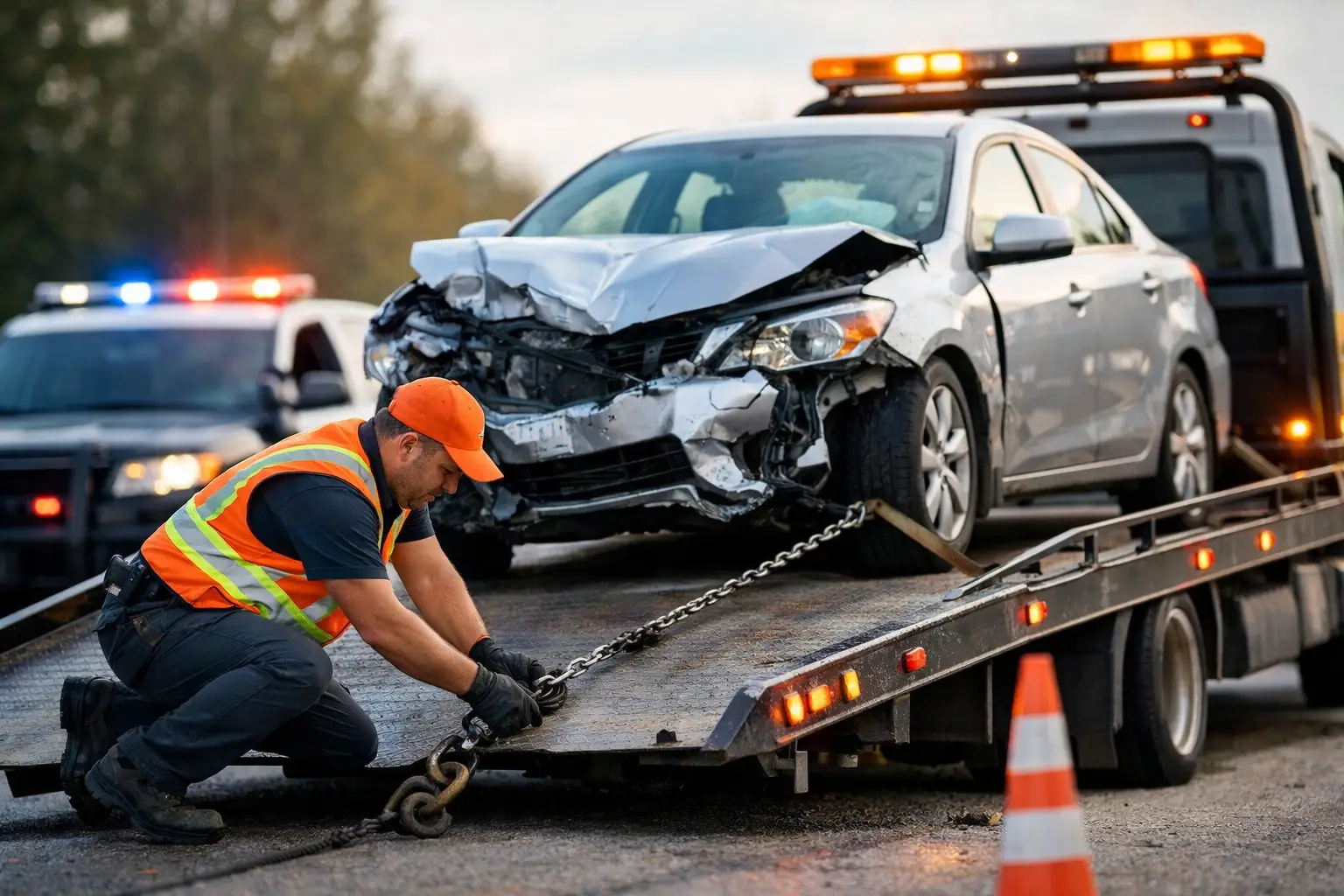
A crash can turn a normal drive through Kenner or New Orleans into a high-stress situation in seconds. The best tips for accident scene towing are not about moving fast at any cost - they are about staying safe, protecting your vehicle, and making sure the tow is handled the right way from the start.
Best tips for accident scene towing that matter first
Right after an accident, your first priority is people, not the vehicle. Check for injuries, call 911 if needed, and move to a safer spot only if the vehicle can be moved without creating more risk. If the car is disabled, leave it where it is, turn on hazard lights, and wait for responders.
This is where many drivers make rushed decisions. A damaged vehicle may have leaking fluids, broken suspension, wheel damage, or structural issues that are not obvious from the driver's seat. Trying to drive it a short distance can make the damage worse and can put you and other drivers in danger.
Once everyone is safe, the towing decision becomes simpler. You want a licensed and insured tow company with trained operators, the right equipment, and a clear process for dispatch, pickup, and delivery.
1. Put scene safety ahead of tow speed
Fast service matters, especially on busy roads and shoulders, but safe handling matters more. If traffic is moving around you, stay inside the vehicle only if it is safe to do so. If there is a fire risk, smoke, or a dangerous location, move away from the roadway and wait in a safer area.
A good tow starts with a controlled scene. That means hazards on, location shared clearly, and no one standing between vehicles or near moving traffic. If law enforcement is directing traffic or managing the crash, follow their instructions before authorizing a tow.
2. Do not assume every damaged car should be wheel-lifted
One of the most overlooked accident scene towing mistakes is using the wrong towing method. After a collision, wheel alignment, suspension geometry, drivetrain components, and body panels may all be compromised. What worked for a routine breakdown may not be the safest option after an accident.
In many cases, flatbed towing is the safer choice because it keeps all four wheels off the road and reduces the risk of added damage during transport. That is especially true for all-wheel-drive vehicles, low-clearance cars, luxury vehicles, motorcycles, and any car with visible front-end or rear-end damage. There are exceptions, and it depends on the condition of the vehicle, but the key point is simple: accident towing should match the damage, not just the nearest available truck.
3. Tell dispatch exactly what happened
The tow operator can only bring the right truck if dispatch has the right information. When you call, explain whether the car was hit from the front, rear, or side, whether airbags deployed, whether a wheel is bent, whether the car is leaking fluids, and whether it is stuck against a curb, median, or another vehicle.
Small details make a big difference. A car that "just won't drive" may actually need recovery equipment, dollies, or a flatbed. If the vehicle is blocking traffic or sitting in a tight parking garage entrance, say that too. Clear information helps reduce delays and avoids sending the wrong equipment to the scene.
How to protect your vehicle during accident scene towing
Towing after a collision is not just about removing the vehicle. It is also about preventing secondary damage. That starts before the truck arrives and continues until the car reaches the body shop, home, or storage location.
4. Take photos before the vehicle is hooked up
If you are physically able and the scene is safe, take clear photos of all sides of the vehicle, the license plate, the surrounding scene, and any obvious damage points. This helps with insurance, but it also gives you a record of the vehicle's condition before transport begins.
Get a few close-up shots and a few wide shots. If a wheel is folded under, a bumper is dragging, or glass is broken, photograph that too. You do not need a full photo session on the shoulder of the road. Just capture enough to document the condition.
5. Remove valuables and essential items
Before the tow, take your phone charger, wallet, keys, medication, documents, garage opener, and any valuables you can safely remove. If you need child seats, work equipment, or personal bags, mention that before the vehicle is loaded.
This is a simple step, but people forget it all the time. After an accident, your car may go to a repair shop, impound lot, or secure storage yard, and getting back inside later may take more time than you expect.
6. Confirm the drop-off location before transport
A lot of confusion happens after the hook-up, not before it. Ask where the vehicle is going and make sure the destination is correct. Depending on the crash, you may want it taken to your home, a collision center, a dealership, or a secure storage facility.
If insurance is involved, you may still have options. Do not assume the car has to go to the first place mentioned at the scene. In some situations, police procedures or roadway clearance rules affect the immediate tow destination, but outside of that, clarity matters. Confirm the address, contact name, and whether after-hours drop-off is accepted.
Choosing the right company for accident towing
Not every towing call is the same. A simple breakdown tow and an accident recovery require different judgment, equipment, and operator training. When stress is high, the safest move is to look for proof, not promises.
7. Ask if the company is licensed, insured, and equipped for crash recovery
This should never feel like an extra question. It is basic protection for you and your vehicle. A licensed and insured company gives you a layer of accountability that matters when a damaged vehicle is being loaded, transported, and unloaded.
You also want to know whether they handle light- or medium-duty towing, whether they have flatbeds available, and whether operators are trained to work accident scenes safely. If your SUV, truck, or van has collision damage, the right equipment is not optional.
8. Be careful with rushed decisions at the scene
Accident scenes are stressful, loud, and full of competing instructions. That is exactly why drivers sometimes agree to whatever tow is offered first without asking basic questions. Speed matters, but not at the cost of safe handling or clear communication.
Take a breath and confirm who is towing the vehicle, where it is going, and what type of truck is being used. If you are able to choose your provider, choose one that can respond quickly and explain the process in plain language. A professional operator should lower your stress, not add to it.
9. Keep your paperwork and claim details organized
Once the tow is underway, the next problem usually becomes insurance and repair logistics. Keep the tow receipt, driver name, truck number if provided, drop-off details, and claim information in one place. If a police report number is available, save that too.
This matters more than people think. When there are multiple calls, repair estimates, and adjuster conversations, the simple act of keeping records can save time and prevent confusion. It also helps if you need to confirm when and where the vehicle was delivered.
Best tips for accident scene towing in busy local traffic
In the Kenner and New Orleans area, accident towing often happens on congested roads, narrow shoulders, bridges, and wet pavement. That changes the risk level. A minor collision in a parking lot and a disabled vehicle on a high-traffic roadway are completely different situations.
On busy roads, your best move is usually to minimize movement, stay visible, and get professional help on the way quickly. A fast, properly dispatched tow can reduce traffic exposure and get the vehicle removed before secondary problems start. That is where trained operators and the right truck setup matter most.
If you drive a rideshare vehicle, family SUV, pickup, or work truck, tell dispatch exactly what you are in and whether passengers or cargo are involved. Vehicle type affects towing method, and accident damage adds another layer. The more accurate the information, the smoother the tow.
When you need help after a crash, the goal is simple: protect people first, protect the vehicle second, and let trained professionals handle the recovery with the right equipment. If you are stuck and need a fast, safe response, calling a local 24/7 team like Zain Towing LLC can take one big unknown off your plate.
Need help right now?
Zain Towing runs 24/7 in Kenner, New Orleans, Metairie, Harahan and Gretna. Call (504) 666-9099 or see our towing service, roadside assistance and New Orleans pages.