
8 Best Ways to Prevent Towing Scams
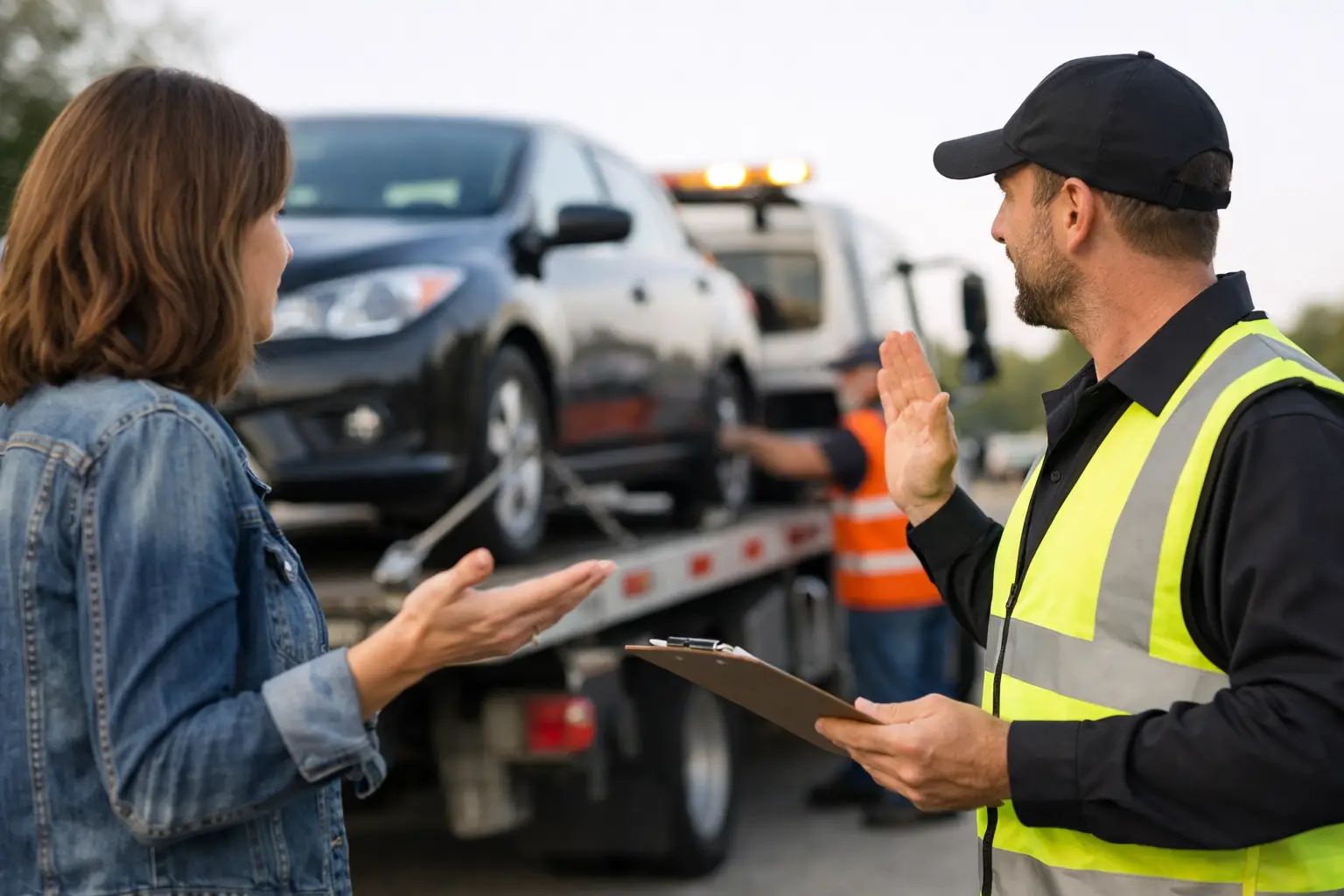
A tow truck pulling up right after a breakdown can feel like relief - until the price changes, the destination changes, or your car ends up somewhere you never approved. The best ways to prevent towing scams start before the hook goes on your vehicle. In a stressful moment, a few simple checks can protect your car, your wallet, and your safety.
For drivers in Kenner, New Orleans, and surrounding areas, this matters more than people think. Heavy traffic, accidents, late-night breakdowns, and storm-related road trouble create the perfect conditions for scam operators to target distracted drivers. When you are stranded, speed matters. But so does knowing exactly who is taking your vehicle and where it is going.
Why towing scams happen so often
Most towing scams depend on one thing - urgency. A driver is stuck on the shoulder, worried about traffic, worried about being late, or shaken up after a collision. That pressure makes it easier for a dishonest operator to rush the conversation, skip clear pricing, or act like they were already dispatched when they were not.
Not every surprise fee is a scam. Some situations do cost more, especially after-hours recoveries, winch-outs, heavy-duty needs, or long-distance transport. The difference is transparency. A legitimate towing company explains the service, the pricing structure, and the destination before loading the vehicle whenever possible. A scam operator stays vague, avoids documentation, or pushes you to agree before you understand what you are paying for.
Best ways to prevent towing scams before service starts
Call a towing company yourself
The safest move is to arrange service directly. If your car breaks down, call a licensed and insured towing company on your own instead of accepting help from the first truck that appears. That one step removes a lot of guesswork.
If police, roadside assistance, or your insurer is dispatching the tow, ask for the company name, the truck description, and the estimated arrival time. When the driver arrives, confirm that information before anything happens to your vehicle. If the details do not match, stop and verify.
Ask for the company name and driver identification
A real tow operator should be able to tell you who they work for and show identification without getting defensive. You should also see a company-marked truck in most normal service situations. If the truck has no clear branding, the driver avoids basic questions, or the explanation feels off, trust that instinct and pause the tow.
Professional operators are used to this. Drivers who do this work the right way know customers are stressed and need reassurance. Clear answers build trust. Evasive answers do the opposite.
Get pricing explained before your vehicle is hooked up
One of the best ways to prevent towing scams is to ask direct pricing questions early. Ask what the hookup fee is, whether mileage is charged separately, whether there are storage fees, and whether the quote changes for after-hours service, accident recovery, or vehicle type.
You do not always need an exact final number on the roadside, especially if recovery conditions are still being assessed. But you should get a clear breakdown of how charges work. If the driver says, “We will figure it out later,” that is a red flag. If they refuse to discuss cost at all, do not hand over the vehicle.
Watch for the biggest red flags
The driver says they were “sent” but you did not request them
This is one of the oldest plays in the book. A tow truck shows up and claims someone already called them, or says they are working the accident scene. Unless law enforcement is officially directing a tow and you have been told that clearly, do not assume the truck is legitimate just because it arrived fast.
Confirm who called them. Ask for the dispatch source. If you did not request that company and your insurer did not request that company, be careful.
You are pressured to sign before reading anything
Never sign a blank form or a document you do not understand. Some scam operators bury storage authorization, inflated service rates, or destination changes in paperwork presented during a high-stress moment.
Take a minute and read what you are signing. You want to see the company information, service details, and basic charges or rate structure. If the driver is rushing you, telling you it is “just standard,” or blocking you from reviewing it, that is a bad sign.
The tow destination is unclear
A legitimate provider should know where the vehicle is going. That could be your home, your repair shop, a dealership, or another approved destination. If a driver will not confirm the drop-off point, says the car must go to “their lot” first without a clear reason, or tries to steer you to a specific shop you did not choose, stop and ask more questions.
Storage yards are where many bad towing situations get expensive fast. Once a vehicle is on a private lot, release fees and daily storage charges can pile up quickly.
How to protect yourself during the tow
Take photos before the vehicle moves
Use your phone and take quick photos of your vehicle from several angles, including existing damage. Photograph the license plate, the tow truck if possible, and anything inside the vehicle that matters. This takes less than a minute and can help if there is a dispute about damage or missing property later.
If you are in an unsafe traffic situation, your safety comes first. But when you can do it safely, document the scene.
Remove valuables and personal items
Do not leave wallets, electronics, keys, paperwork with personal information, or anything valuable inside the vehicle. Even with a reputable tow, it is smart to take what you need before transport starts.
This also helps if the car ends up at a repair shop or storage facility after hours and you cannot access it right away.
Confirm where your car is going in writing
Text confirmation, an invoice, a dispatch record, or written service paperwork is better than a verbal promise on the shoulder of the road. Make sure the destination is clearly listed. If there is a driver name, truck number, or dispatch number, keep that too.
Small details matter later. When service is professional, these details are easy to provide.
Best ways to prevent towing scams after an accident
Accident scenes are especially vulnerable because emotions run high and multiple parties are involved. If your vehicle is still drivable and law enforcement is not requiring immediate removal, slow the process down enough to confirm who is towing it. If it is not drivable, ask the responding officer what your options are and whether a rotation tow is being used.
A rotation tow is not automatically a problem. In many areas, it is a normal process. But you should still ask where the vehicle is going, what company is handling it, and how to retrieve it later. If you have a preferred towing provider and the situation allows it, say so clearly.
This is also the time to contact your insurer. They may have documentation requirements or preferred handling steps that help you avoid unnecessary fees.
Local tips for Kenner and New Orleans drivers
In this area, weather and traffic can turn a minor roadside issue into a dangerous one quickly. Afternoon storms, flooded streets, busy interstates, and tight urban traffic all create pressure to accept the first solution in front of you. That is exactly when clear verification matters most.
Look for a company that operates 24/7, uses trained tow operators, and states clearly that it is licensed and insured. Those are not just marketing phrases. They are signs the company is built to handle real roadside situations professionally. Zain Towing LLC, for example, positions its service around fast dispatch, insured handling, and trained operators because those are the basics drivers should expect when their vehicle is being moved.
If you are traveling through the New Orleans area and do not know who to call, save a trusted local towing number before you need one. People plan for hurricanes and flat tires more often than they plan for tow fraud, but this is part of roadside preparedness too.
What a legitimate towing experience should look like
A proper tow usually feels straightforward, even when the situation is stressful. The dispatcher asks where you are, what you drive, what happened, and where the vehicle needs to go. The operator arrives in a marked truck, explains the process, handles the vehicle carefully, and answers basic pricing and destination questions without hesitation.
That does not mean every call is identical. A ditch recovery at 2:00 a.m. is different from a flatbed transport across town. Costs can vary. Arrival times can shift with traffic and weather. But professionalism is consistent. You should never be left guessing who has your car, where it is going, or why the bill suddenly changed.
The simplest protection is also the strongest one: slow the decision down just enough to verify the company, the price structure, and the destination. When a tow is urgent, you still have the right to clear answers. A trustworthy operator will respect that. And when you know what to look for, you are much harder to scam in the first place.
Need help right now?
Zain Towing runs 24/7 in Kenner, New Orleans, Metairie, Harahan and Gretna. Call (504) 666-9099 or see our towing service, roadside assistance and New Orleans pages.