
10 Breakdown Roadside Safety Tips
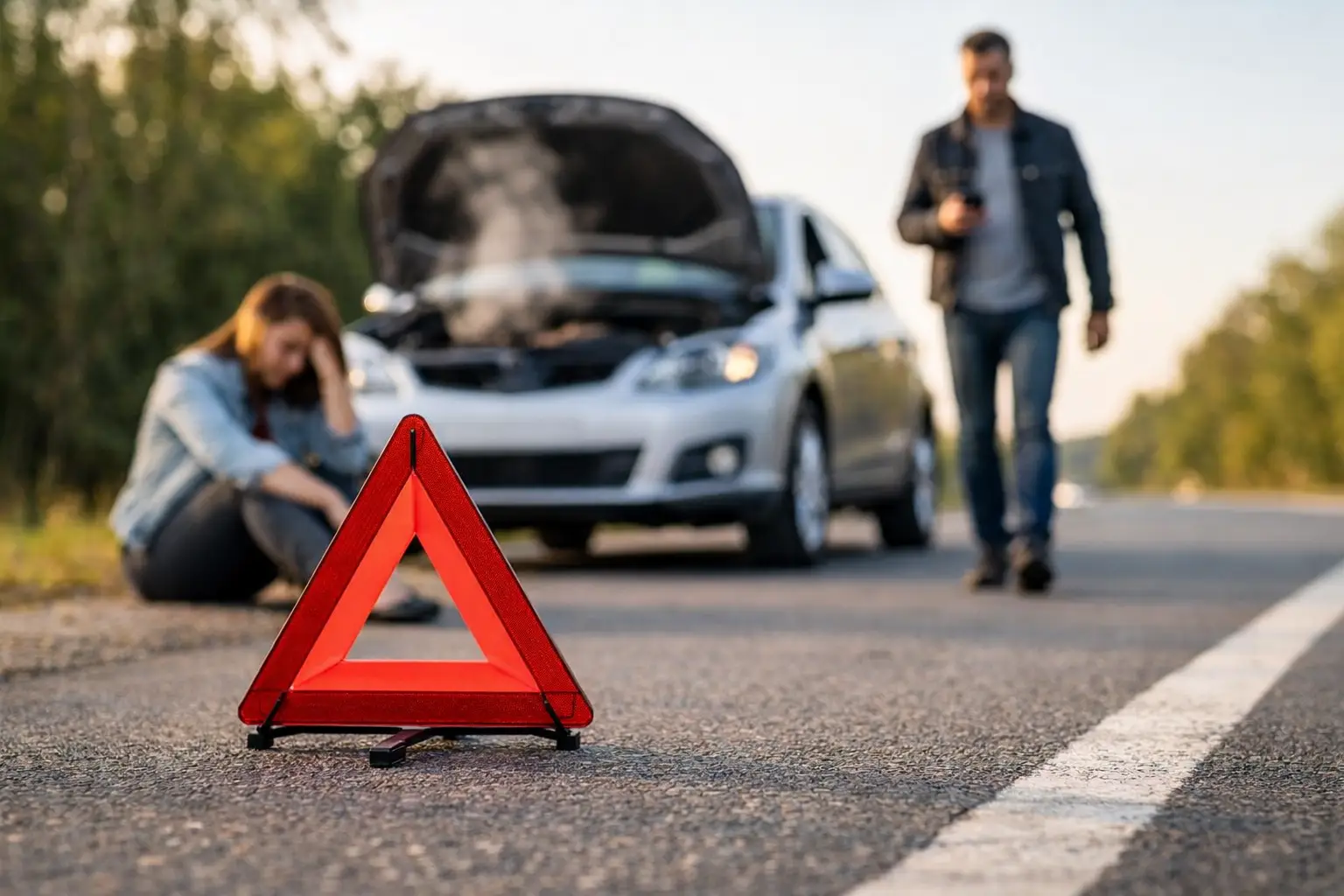
A breakdown feels bad enough in your driveway. On I-10, Veterans Memorial Boulevard, or a dark shoulder outside New Orleans, it can turn dangerous fast. These breakdown roadside safety tips are built for the moments when your car quits, traffic keeps moving, and you need to make the right call quickly.
What to do first when your vehicle breaks down
The first priority is not figuring out what failed. It is getting out of the flow of traffic as safely as possible. If the vehicle still moves, ease off the road and aim for a wide shoulder, parking lot, side street, or any stable area away from passing vehicles. Try not to stop on a curve, just past a hill, or anywhere drivers will have limited sight distance.
Once you are stopped, turn on your hazard lights right away. That simple step gives other drivers more time to react. At night, in rain, or during heavy traffic, every second of visibility matters.
If your engine dies in an active lane and you cannot move, stay calm and call for help immediately. Do not keep trying to restart the vehicle if traffic conditions make the situation more dangerous. In some cases, waiting for trained roadside assistance is the safer option than forcing a bad vehicle to move.
Breakdown roadside safety tips that matter most
A lot of advice online assumes every breakdown happens on a quiet road in daylight. That is not how it works around Kenner and New Orleans. Between fast traffic, narrow shoulders, summer heat, and sudden storms, the safest choice depends on where you are and what is happening around you.
1. Get as far from traffic as you can
Even a few extra feet can make a big difference. If you can steer onto the shoulder, keep moving until you are well clear of the lane. If there is a guardrail, ditch, or soft ground, balance distance with stability. A firm shoulder is better than getting stuck deeper or tilting the vehicle.
Turn the wheels away from traffic if you are stopped on a shoulder. If another vehicle hits yours from behind, that angle may reduce the chance of being pushed into moving lanes.
2. Make your vehicle easier to see
Hazard lights should go on immediately and stay on. If you have reflective triangles or road flares and it is safe to place them, use them. But this is where judgment matters. On a busy highway at night or in heavy rain, walking behind the vehicle may expose you to more risk than it solves.
If you do step out to place warning devices, stay alert, move quickly, and never turn your back fully to traffic. If conditions are poor, staying inside with hazards on may be the better call.
3. Decide whether to stay inside or get out
This is one of the biggest it-depends situations. If you are stopped in a safe location well off the road, it may be best to exit on the side away from traffic and wait behind a barrier or well clear of the roadway. If you are on a narrow shoulder with fast-moving cars flying past, staying buckled inside may be safer than standing a few feet from traffic.
If smoke, fire, leaking fuel, or an unstable position is involved, get out immediately and move far away from the vehicle. Put distance between yourself and the car, especially if you suspect a fuel or electrical issue.
4. Keep passengers under control and off the roadway
Children, older passengers, and pets can panic or wander. Get everyone focused fast. If it is safer to stay inside, keep seat belts on. If it is safer to exit, move everyone together to a protected spot away from traffic and keep pets secured.
This matters more than people realize. A breakdown is stressful, and one distracted second can put someone in a live lane or near an oncoming vehicle.
Stay safe while waiting for roadside help
Once you have stopped and made the scene as visible as possible, the next step is communication. Call for roadside assistance or a tow as soon as you can. Be ready to give your exact location, vehicle type, and what happened. Nearby exits, mile markers, landmarks, and cross streets help dispatch get to you faster.
If you are calling at night or in an unfamiliar area, confirm the company name, truck type, and estimated arrival time. Professional roadside operators should be able to tell you what vehicle is coming and what kind of help they are sending. That reduces confusion and helps you avoid accepting help from an unverified stranger.
Keep your phone charged whenever possible, and if your battery is low, limit calls after dispatch has your information. Text updates may preserve power better than repeated calls.
Be careful with offers from passing drivers
Some people mean well, but you do not need to accept roadside help from every person who stops. If someone pulls over, keep your window cracked only enough to speak if needed and let them know help is already on the way. If you feel uncomfortable, do not engage.
A trained, licensed, and insured tow operator is the safer choice when your vehicle needs a jump-start, tire service, winch-out, or transport. The wrong tow setup can damage your car, and the wrong roadside decision can put you at risk.
What not to do during a roadside breakdown
The wrong move can create a second emergency. One common mistake is standing between your vehicle and traffic while checking under the hood or unloading the trunk. If another driver drifts onto the shoulder, you have almost no protection there.
Another mistake is crawling underneath the vehicle on the roadside. Even if the issue seems simple, the shoulder is not a safe repair bay. Soft ground, poor visibility, and passing traffic make roadside DIY work risky.
Be cautious with quick fixes like aerosol tire products or repeated jump-start attempts. They can help in the right situation, but they can also waste time or make the problem worse. If you are not sure what failed, a professional assessment is usually the safer move.
Breakdown roadside safety tips for night, rain, and heat
Weather changes the plan. In heavy rain, your visibility drops and so does everyone else’s. That means hazard lights become even more important, and getting farther from moving traffic matters more than trying to inspect the car.
At night, stay visible and stay aware. Interior dome lights can make it harder to see outside, so use them only when needed. Lock your doors if you are waiting inside. Watch for your responding service vehicle and confirm it before exiting.
In Louisiana heat, a breakdown can turn into a health issue, especially with kids, older adults, or pets in the vehicle. If the car cannot run safely and the temperature is climbing, call for help immediately and look for the safest way to get everyone into a cooler location nearby if one is accessible without crossing dangerous traffic.
If you need a tow, protect your vehicle too
Safety is not only about people. It is also about preventing more damage to the vehicle. Not every breakdown should be handled the same way. An all-wheel-drive vehicle, lowered car, motorcycle, truck, or SUV may require a specific tow method. Using the wrong equipment can damage the transmission, suspension, bodywork, or tires.
That is why professional dispatch matters. When you call, describe the vehicle clearly and mention if it is stuck, disabled after an accident, or unable to roll. The right truck and trained operator save time and lower the risk of damage during loading and transport.
If you are in the Kenner or New Orleans area, local response matters too. A fast, insured operator who knows the roads can get to you quicker and handle the vehicle with the right equipment. That is exactly why many drivers call Zain Towing when the situation needs immediate, professional roadside help.
Keep a few basics in your vehicle
You do not need a full garage in your trunk, but a few items can make a breakdown safer: a charged phone cable, flashlight, reflective triangles, bottled water, a basic first-aid kit, and a phone mount or note with emergency contact numbers. If you drive long distances often, add a portable battery pack.
These items will not solve every problem, but they can buy you time and keep a stressful situation from getting worse.
A roadside breakdown is never convenient, and sometimes it is more than an inconvenience. The safest move is usually the simplest one: get clear of traffic, make yourself visible, keep passengers protected, and call for qualified help as soon as possible.
Need help right now?
Zain Towing runs 24/7 in Kenner, New Orleans, Metairie, Harahan and Gretna. Call (504) 666-9099 or see our towing service, roadside assistance and New Orleans pages.