
Car Hauling Service Guide for Safe Transport
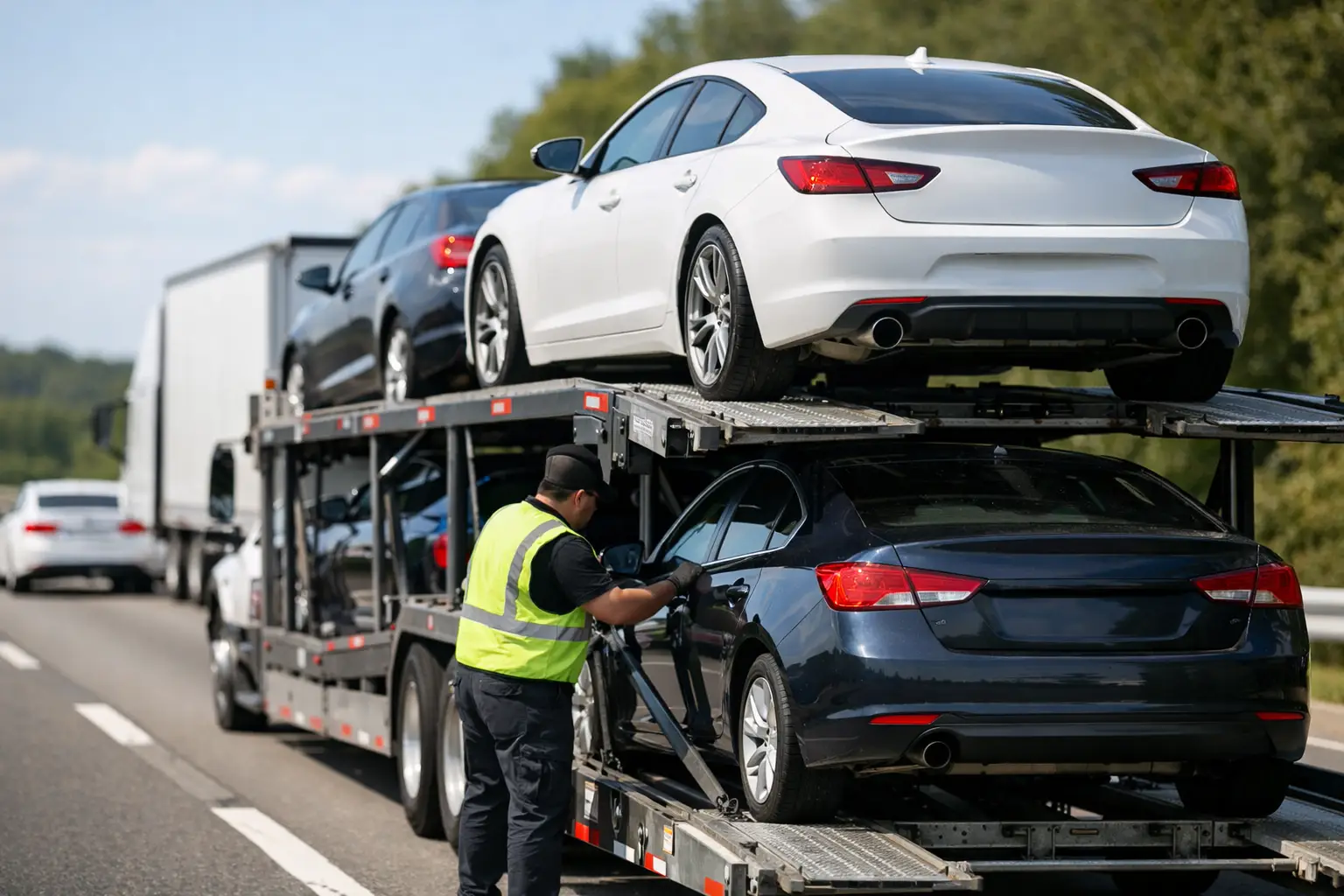
A breakdown on I-10, a dead car in the driveway, or a vehicle you need moved across town all create the same problem fast - you need the right truck, the right operator, and a clear plan. This car hauling service guide is built for drivers who want quick answers on how vehicle transport works, what affects cost, and how to avoid extra stress when time matters.
What a car hauling service actually includes
Car hauling is simple at the surface: a tow company picks up your vehicle and transports it safely to the destination you choose. But the details matter. The right service depends on whether your car runs, whether it can roll, where it is parked, how far it needs to go, and whether there is existing damage from an accident or mechanical failure.
For some jobs, a standard tow truck is enough. For others, flatbed transport is the safer option because the entire vehicle stays off the ground. That matters for low-clearance cars, all-wheel-drive vehicles, damaged vehicles, motorcycles, and cars with tire or suspension problems. If your goal is damage prevention, not just getting the vehicle from point A to point B, truck type matters as much as price.
A professional hauling service also includes secure loading, proper tie-down procedures, route planning, and insured transport. If a company is vague about any of those points, that is a warning sign.
Car hauling service guide: when you need one
Not every customer calling for hauling is dealing with an emergency, but many are. The most common situations include breakdowns, accidents, engine failure, flat tires that cannot be repaired roadside, dead batteries in unsafe locations, repositional moves, dealership transport, and planned long-distance hauling.
In the Kenner and New Orleans area, timing can be just as important as truck type. Heavy traffic, narrow streets, weather, and busy highway shoulders can turn a minor vehicle problem into a safety issue quickly. If your car is stuck in a dangerous spot, the first priority is getting it removed safely. If the vehicle is at home or in a parking lot, you may have more flexibility on scheduling, but you still want a clear dispatch window and confirmation that the operator has the right equipment.
That is why many drivers prefer a 24/7 company with trained operators and live dispatch. When the situation changes fast, waiting until morning is not always realistic.
Flatbed vs. wheel-lift: which one is better?
It depends on the vehicle and the condition it is in. Flatbed towing is often the safest choice because the vehicle rides fully elevated on the truck bed. There is less road exposure, less wear during transport, and less risk for vehicles that should not be towed with two wheels on the ground.
Wheel-lift towing can still be effective for short local moves, especially when access is tight or the job calls for a faster hookup. But it is not the best fit for every vehicle. Luxury cars, lowered cars, all-wheel-drive models, and vehicles with serious front-end or rear-end damage often benefit from flatbed service instead.
If you are not sure which one you need, a good dispatcher should ask the right questions: Does the car start? Can it shift into neutral? Are the tires intact? Is it stuck in a garage, ditch, or narrow lot? The quality of those questions tells you a lot about the quality of the service.
What affects car hauling cost
Most customers want a price right away, and that makes sense. Still, accurate pricing depends on the job details. Distance is a major factor, but it is not the only one. Vehicle size, condition, location, accessibility, time of day, and equipment requirements all affect cost.
A sedan parked in an open driveway is usually easier and less expensive to move than an SUV with suspension damage wedged into a crowded parking garage. A local trip across town is priced differently from a long-distance haul. After-hours dispatch, accident recovery, or specialty handling can also change the total.
The cheapest quote is not always the best value. If a low price means delayed arrival, poor communication, or improper equipment, the risk goes up. When comparing quotes, ask what is included. You want to know whether the rate covers loading, transport, mileage, and standard securement - not just the hook-up.
Questions to ask before you book
A solid car hauling service guide should make one point clear: ask direct questions before you agree to service. First, confirm that the company is licensed and insured. Next, ask what type of truck they plan to send and why. Then ask for the estimated arrival time, how the vehicle will be secured, and whether there are any extra charges based on your location or vehicle condition.
If your vehicle has special issues, mention them up front. Tell dispatch if the car will not start, if the wheels are locked, if it has been in an accident, or if it sits unusually low to the ground. Surprises at pickup can lead to delays, the wrong truck, or a revised bill.
It also helps to confirm the destination details before dispatch. If the car is going to a repair shop, dealership, residence, or storage lot, make sure the address is correct and that the receiving location can accept the vehicle.
How to prepare your vehicle for hauling
When time allows, a little preparation helps the move go smoother. Remove personal valuables, secure loose items inside the car, and take photos of the vehicle from multiple angles. If there is already visible damage, documenting it protects everyone involved.
Leave the keys available unless the dispatcher tells you otherwise. Make sure the parking brake situation is known, and if the car has any quirks - such as a hard-to-find battery, sensitive alarm, or broken door handle - tell the operator before loading starts. Those details save time and reduce the chance of handling problems.
For planned transport, keep the fuel level low but not empty. Around a quarter tank is usually enough. Extra fuel adds weight, and a completely empty tank can create complications if the vehicle needs to be started or repositioned.
Why local experience matters
A national broker can schedule transport, but a local towing and hauling company often has the advantage when you need real-time response. Local dispatch knows the road patterns, storm issues, event traffic, and access challenges common in the New Orleans and Kenner area. That matters when minutes count or when pickup conditions are not ideal.
A local operator is also more likely to give practical updates instead of generic status messages. If a highway backup changes the ETA or a smaller truck is needed for access, you want that handled quickly, not passed between departments. For drivers under stress, direct communication is a big part of good service.
That is also where a company like Zain Towing LLC stands out for area drivers - 24/7 dispatch, trained operators, insured service, and equipment matched to the job. In an emergency, that combination matters more than sales language.
Red flags to watch for
If a company cannot explain its pricing, cannot confirm insurance, or avoids giving a realistic arrival window, be careful. The same goes for operators who seem unprepared for your vehicle type or who do not ask basic condition questions before dispatch.
Another red flag is overpromising. Traffic, weather, and active recovery scenes can affect timing. Good companies move fast, but they also speak honestly about ETA and job conditions. Clear communication is usually a sign that the rest of the service will be handled professionally.
You should also be cautious if the company treats every move the same. A non-running car, a collision recovery, and a planned dealership drop-off are not identical jobs. The best providers adjust equipment and process to the situation.
Choosing the right hauling company when you are under pressure
When your vehicle is disabled, decision-making gets rushed. That is normal. The safest move is to choose a provider that checks the basics without making you work for the information: 24/7 availability, fast dispatch, licensed and insured operation, trained tow operators, and a fleet that can handle more than one kind of job.
It also helps to work with a company that talks like a service team, not a call center script. You should feel that they understand the issue, know what truck to send, and are ready to move now. Friendly matters, but competence matters first.
The right hauling service does more than tow a car. It lowers risk, protects the vehicle, and gets one problem off your plate quickly. If you need transport, ask direct questions, share the vehicle details clearly, and choose a team that treats safe handling like the main job - because it is.
Need help right now?
Zain Towing runs 24/7 in Kenner, New Orleans, Metairie, Harahan and Gretna. Call (504) 666-9099 or see our towing service, roadside assistance and New Orleans pages.