
Car Lockout Service With Child Inside Protocol
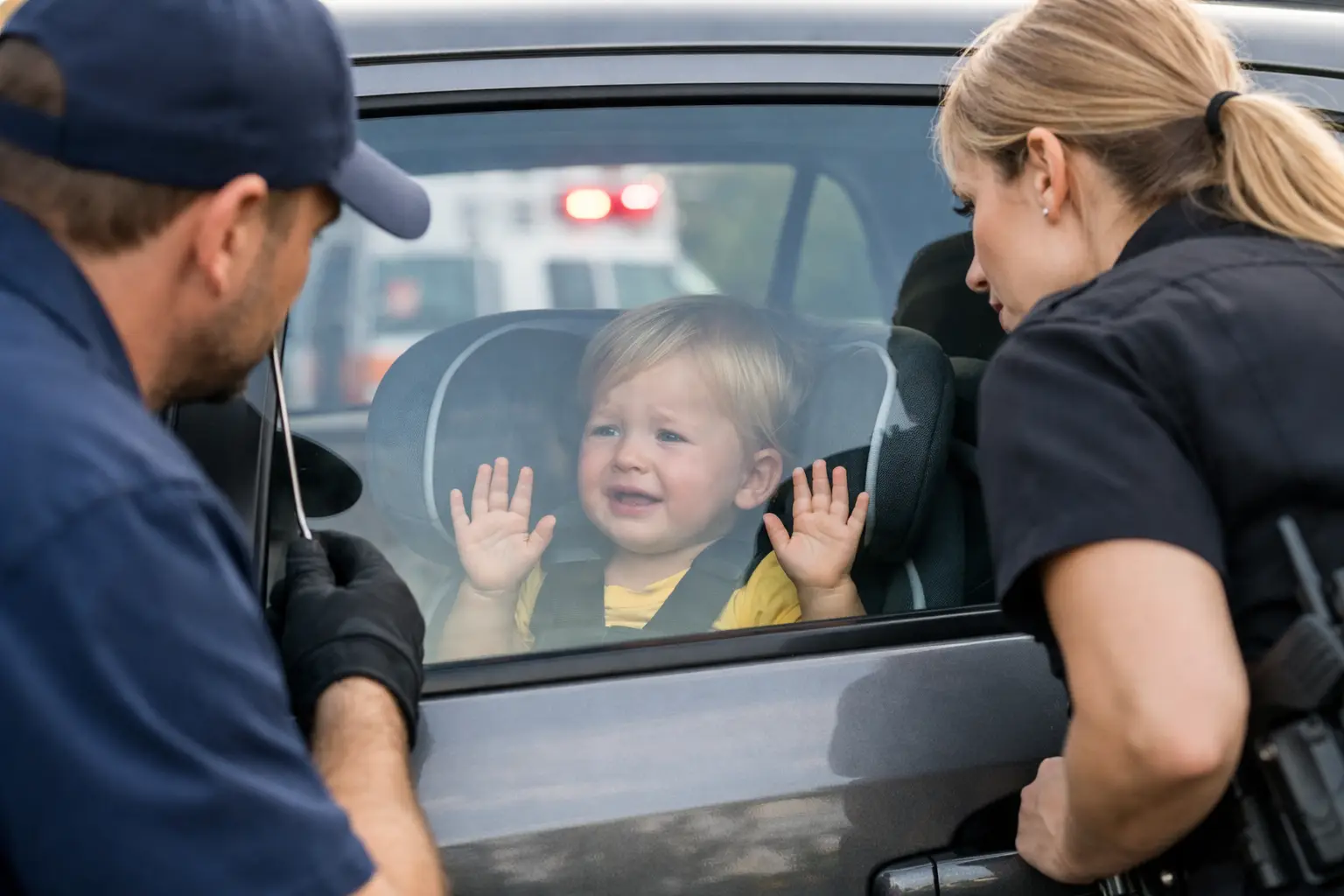
A child locked in a vehicle is not a wait-and-see situation. The right car lockout service with child inside protocol starts with one goal only - get the child out fast and safely while avoiding delays, guesswork, or damage that slows access.
In South Louisiana heat, even a few minutes matter. If you are in Kenner, New Orleans, or nearby and a child is trapped in a locked car, treat it as an emergency first and a lockout second. That means calling 911 when there is any sign of distress, then contacting a 24/7 roadside provider that can dispatch trained help immediately.
What the car lockout service with child inside protocol should look like
A real emergency protocol is simple, fast, and built around safety. It should not sound like a standard lockout script. When a child is inside the vehicle, the dispatcher should immediately ask for your exact location, the child’s condition, the vehicle make and model, whether the engine or air conditioning is on, and whether the keys are visible inside.
The response should also change based on risk. If the child is crying hard, sweating, struggling to breathe, looks sleepy, or the weather is hot, the situation can escalate very quickly. In that case, emergency services need to be involved right away. A professional roadside team can still be dispatched, but the priority is immediate access, not preserving the convenience of a normal lockout call.
A proper protocol also means no wasted time on price-shopping or back-and-forth explanations. This is where a local 24/7 operator matters. Dispatch should move first, confirm details second, and send the closest qualified technician or tow operator with the right entry tools.
What you should do in the first 60 seconds
Start by checking the child’s condition through the glass. If the child is unresponsive, having trouble breathing, or showing signs of heat exposure, call 911 immediately. If the child is alert but trapped, call 911 if temperatures are high, the vehicle is off, or you are not certain help will arrive within minutes.
Next, give your exact location. Use a street address, business name, parking lot section, or visible landmark. "I’m in a shopping center" is not enough when every minute matters. If you are calling roadside help, tell dispatch right away that there is a child locked inside. Say it first so your call is treated with the right level of urgency.
Then, stay with the vehicle. Keep eyes on the child, keep your phone available, and do not leave to search for help unless another adult is already there. If the car is running and air conditioning is on, the urgency is still real, but the risk may be slightly lower than in a parked, shut-off vehicle in direct sun. That difference matters for decision-making, but it should never become a reason to delay action.
When to call 911 first
This is the part many drivers hesitate on, and they should not. Call 911 first if the child looks ill, the weather is hot or very humid, the vehicle is not running, the child is very young, or you do not know how long they have been inside. Infants and toddlers can decline fast because they do not regulate body temperature as well as older children.
You should also call 911 first if the lockout happened in a place that adds risk, such as a busy roadside shoulder, a fuel station, a poorly ventilated garage, or an area where you do not feel safe standing outside the car. In those cases, the emergency is not only the locked door. It is the full environment around the child and vehicle.
There is a practical reason for this. First responders can force entry when needed. A roadside lockout technician focuses on non-damaging entry whenever possible, which is usually the right approach. But if the child is in danger, speed outranks damage prevention.
How a professional lockout response should work on scene
Once the operator arrives, the job should move fast and with control. The technician should confirm the child’s condition visually, assess the vehicle type, and choose the fastest safe entry method. On most vehicles, that means professional lockout tools designed to open the door without breaking glass or damaging the frame.
Not every car opens the same way. Newer vehicles with tighter seals, advanced anti-theft systems, or unusual lock placements can slow a standard lockout. That is why experience matters. A trained operator knows when a clean entry is likely and when the situation is moving toward emergency-force access instead.
This is also where local response time matters. A company serving the Kenner and New Orleans area should already understand traffic patterns, event congestion, airport routes, and the delays that can happen on local roads. Fast dispatch is not just a slogan in this kind of call. It changes outcomes.
Car lockout service with child inside protocol vs a standard lockout
A normal lockout call is about convenience, speed, and avoiding damage. A car lockout service with child inside protocol is about immediate risk management. The questions are different, the dispatch priority is different, and the acceptable wait time is much shorter.
For a standard lockout, a customer may compare providers, ask for a quote, or wait for a convenient arrival window. With a child inside, none of that should happen. The provider should prioritize the call, route the nearest available operator, and stay in contact if conditions are changing.
There is also less tolerance for uncertainty. If dispatch cannot give you a realistic rapid response, you should not gamble on a long wait. Call emergency services. The right company will tell you that plainly instead of trying to hold the job at the expense of safety.
Common mistakes that slow down help
The biggest mistake is assuming the situation is still safe because the child looks fine right now. Heat buildup inside a vehicle can happen fast, especially in Louisiana. Another mistake is calling for a routine locksmith service without saying a child is trapped. That can put your call in the wrong queue and cost valuable time.
Parents and caregivers also lose time searching for a spare key, waiting for a family member, or trying coat hangers and improvised tools. Those attempts often fail and can damage the door, weather stripping, or lock mechanism. Worse, they distract from monitoring the child.
There is also the hesitation around breaking a window. That decision depends on the child’s condition and whether first responders are already on the way. If the child is in visible distress and immediate entry is the only option, emergency guidance may support forced access. If the child is stable and professional help is minutes away, controlled non-damaging entry is usually the better choice.
What to tell dispatch so they can move faster
Be ready with the essentials. Give the exact location first, then state clearly that a child is locked inside the car. Share the child’s approximate age, whether the car is running, whether the air conditioning is on, the outside temperature if known, and any visible signs of distress.
Also give the vehicle make, model, and color, and say if the keys are on the seat, in the ignition, or missing from view. If you are parked at a large property like a mall, hotel, hospital, or airport lot, tell them the nearest entrance or landmark. Those details help the nearest operator find you without circling the property.
At https://zaintowing.net/, the focus is on 24/7 dispatch, fast response, and sending trained roadside help based on the actual emergency. That is exactly what this kind of situation requires.
Prevention matters, but it is never the main point during the emergency
Yes, prevention helps. Keep keys on your person, use a spare when practical, and check automatic locking settings if your vehicle has them. But once a child is inside a locked car, prevention advice can wait. The right response is fast action, accurate information, and getting qualified help moving toward you immediately.
If you are ever in this situation, trust your instincts about urgency. A child locked in a vehicle is not a routine inconvenience. Call for emergency help when risk is high, contact a local 24/7 lockout provider without delay, and stay focused on the fastest safe way to get that door open.
Need help right now?
Zain Towing runs 24/7 in Kenner, New Orleans, Metairie, Harahan and Gretna. Call (504) 666-9099 or see our towing service, roadside assistance and New Orleans pages.