
Case Study Long Distance Car Hauling
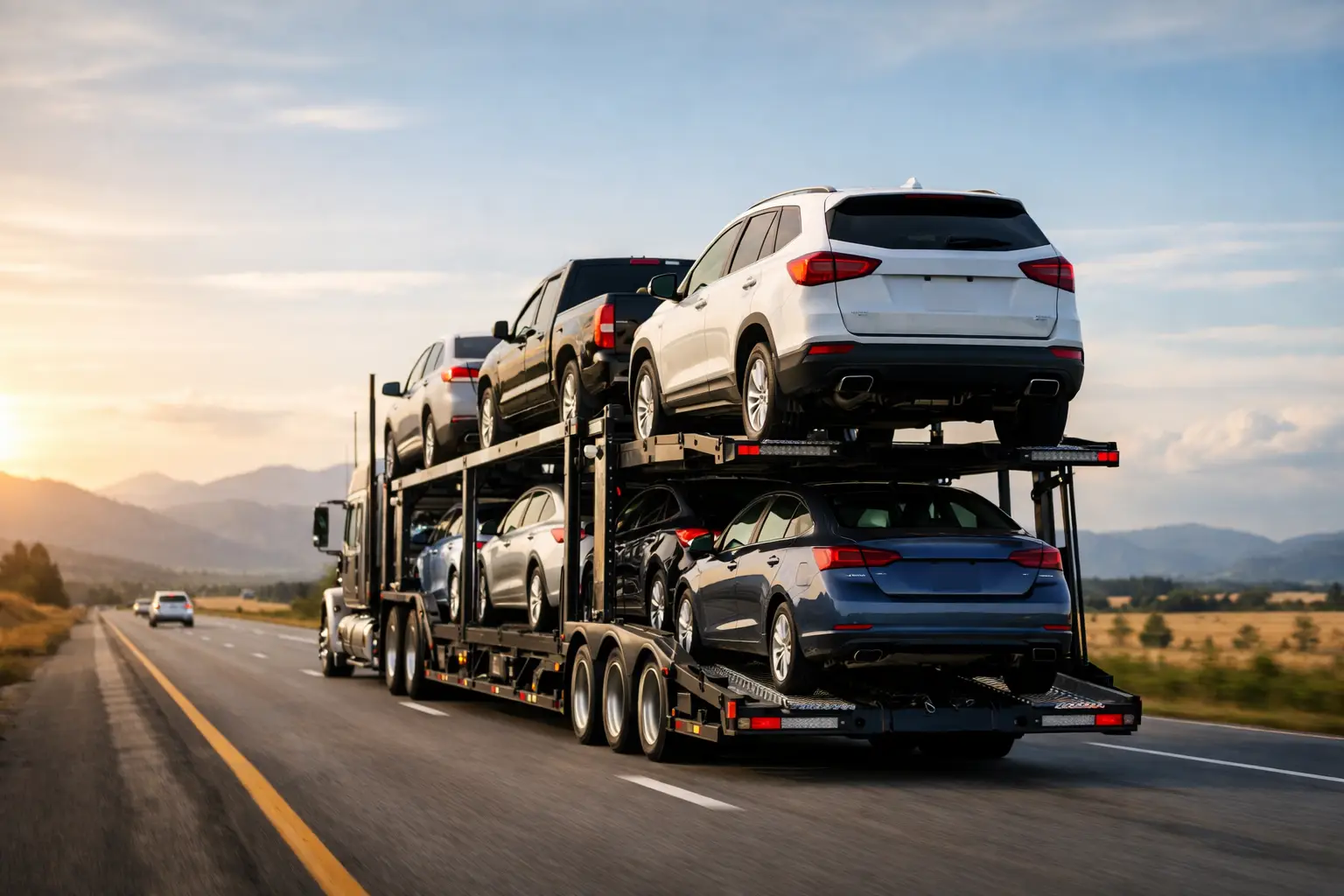
A stranded driver on I-10 does not care about industry jargon. They want to know two things fast - how soon a truck can arrive, and whether their vehicle will make it to the destination without new damage. That is exactly why a case study long distance car hauling article matters. It shows what actually happens when a vehicle has to move far beyond a short local tow.
For drivers in the Kenner and New Orleans area, long-distance hauling usually starts with stress. Maybe the car broke down out of town, maybe a college student needs a vehicle moved across Louisiana, or maybe a family is relocating and cannot risk driving an older vehicle hundreds of miles. In each case, the right towing company is not just selling a ride for the car. It is taking responsibility for timing, secure loading, route planning, and safe delivery.
What this case study long distance car hauling example covers
Here is a realistic scenario based on the kinds of calls a professional dispatch team sees every week. A driver in Kenner has a midsize SUV that suffered transmission failure. The vehicle cannot be driven safely, and the owner needs it transported to a repair facility near Dallas. The distance is too far for a casual tow arrangement and too urgent to leave to guesswork.
The customer is under pressure. They need quick pickup, clear pricing, and confidence that the SUV will be handled by trained operators using the right equipment. They also need a provider that is licensed and insured, because long-distance hauling carries more exposure than a short city tow.
The first call: how the job is scoped
A good long-distance haul starts with the dispatch questions. The operator needs the exact pickup location, destination address, vehicle make and model, whether the vehicle rolls and steers, and whether there is accident damage. These details are not small talk. They determine what truck is sent, how the vehicle is loaded, and how long the move is likely to take.
In this case, the SUV still rolls, but it cannot move under its own power. That means a flatbed is the safest choice. For a long haul, flatbed transport usually makes more sense than a wheel-lift setup because it keeps all four tires off the road and reduces wear, road exposure, and risk during transit.
The customer also asks about timing. This is where honesty matters. A local arrival can often happen quickly, but the full trip timeline depends on distance, traffic, weather, and delivery scheduling. Overpromising helps nobody. What drivers need is a realistic pickup window and clear communication from dispatch.
Why flatbed hauling was the right call
For this case, flatbed service is not just a premium option. It is the correct one. A disabled SUV with transmission trouble should not be pulled in a way that risks drivetrain strain or rolling instability over a long route.
The operator arrives, completes a quick condition check, and notes visible marks on the vehicle before loading. That protects both the customer and the towing company. Securement is done with the proper tie-down points, and the SUV is positioned to stay stable for the full route.
This is one of the biggest differences between professional long-distance hauling and cheap towing shortcuts. The job is not finished when the car gets on the truck. The real work is making sure it stays secure for hours, through traffic changes, road vibration, stops, and weather shifts.
Cost factors in a long-distance haul
Customers usually want one number right away. That is understandable, but long-distance pricing has moving parts. In this case study long distance car hauling situation, the final quote is shaped by distance, vehicle size, equipment type, route conditions, and whether the delivery needs to happen on a specific schedule.
A midsize SUV costs more to move than a compact sedan because it adds weight and takes more deck space. A non-running vehicle can also increase cost because loading takes more care and sometimes additional equipment. Then there is the route itself. A direct interstate run is simpler than a trip with difficult access points, construction, or narrow delivery areas.
The key is transparency. A serious towing company explains what the customer is paying for: trained labor, insured transport, proper equipment, safe securement, fuel, travel time, and delivery coordination. That is very different from a vague low quote that changes halfway through the job.
The actual transport process
Once loaded, the operator confirms the destination contact, expected travel window, and any access instructions for the delivery point. This step sounds basic, but it prevents one of the most common delays in long-haul jobs - arriving at a shop or residence that is closed, blocked, or unprepared to receive the vehicle.
During transit, communication matters almost as much as driving. Customers do not need constant updates every few miles, but they do need to know the vehicle is moving as planned. If traffic, weather, or road conditions affect the schedule, dispatch should say so early.
In this scenario, the route remains mostly on schedule, but heavy traffic near the delivery area pushes arrival back slightly. That is a normal part of long-distance hauling. A professional team plans for it instead of acting surprised by it.
Delivery and final handoff
At delivery, the operator does not just unload and leave. The receiving party confirms the vehicle, the unload area is checked for safety, and the SUV is carefully brought down from the flatbed. If the destination is a repair shop, placement matters. The vehicle needs to be left where technicians can access it without creating a hazard or blocking other traffic.
This is another place where experience shows. Long-distance towing is not one single action. It is a chain of actions, and the last ten minutes matter just as much as the first ten. Poor unloading can ruin an otherwise well-run haul.
Once the SUV is delivered, the customer gets what they actually paid for - not just movement, but controlled, documented, damage-aware transport from pickup to drop-off.
What this case study shows drivers in New Orleans and Kenner
The main lesson is simple. Long-distance hauling is not a commodity service where every truck and every company is the same. If your car is going across cities or state lines, the stakes go up. Equipment choice matters. Operator training matters. Insurance matters. Communication matters.
It also shows why fast dispatch still matters on a planned or longer move. When a vehicle is disabled, every hour of delay creates more stress. You may be stuck at work, on the roadside, at a hotel, or trying to coordinate with a repair shop before closing time. A towing company that responds quickly and handles the details can take a chaotic situation and make it manageable.
For local drivers, families, commuters, and travelers, there is also a trade-off to think about. The cheapest option may look good at first, but low-price hauling often leaves out the very things that protect your vehicle: the right truck, secure tie-down procedures, insured service, and trained operators. If anything goes wrong, the original savings disappear fast.
When long-distance car hauling makes more sense than driving
Not every vehicle should be driven to its destination. If the car has mechanical failure, recent accident damage, overheating issues, or unreliable brakes, a long road trip can turn one problem into several. Even if the vehicle still runs, hauling may be the smarter call when you are moving an older car, transporting a vehicle for a student, or trying to avoid adding miles and wear.
There are also situations where timing changes the decision. If you need the vehicle at a shop, auction, residence, or another city on a fixed schedule, professional transport gives you more control than hoping the car makes the trip.
That is where a local company with 24/7 dispatch and long-haul capability stands out. Zain Towing LLC handles these jobs with the same priorities that matter on emergency calls - quick response, safe equipment, trained operators, and secure transport from start to finish.
Choosing the right towing company for a long haul
If you need long-distance hauling, ask direct questions. Is the company licensed and insured? What type of truck will they use? How do they handle non-running vehicles? What is the pickup window? How are delays communicated? These are practical questions, not technical ones, and a reliable provider should answer them clearly.
You should also pay attention to how the company talks to you. If the process feels rushed, vague, or inconsistent before pickup, it usually does not improve later. Good service starts at dispatch.
A long-distance haul asks you to trust someone with your vehicle for hours or even an entire day. That trust should be earned through professionalism, not guesswork. When the plan is clear, the equipment fits the job, and the operator handles the vehicle with care, the whole experience gets a lot less stressful.
If your car cannot make the trip on its own, the next best move is simple - get it hauled the right way, by a team that treats speed and safety as part of the same job.
Need help right now?
Zain Towing runs 24/7 in Kenner, New Orleans, Metairie, Harahan and Gretna. Call (504) 666-9099 or see our towing service, roadside assistance and New Orleans pages.