
Case Study Quick Accident Recovery on Busy Roadway
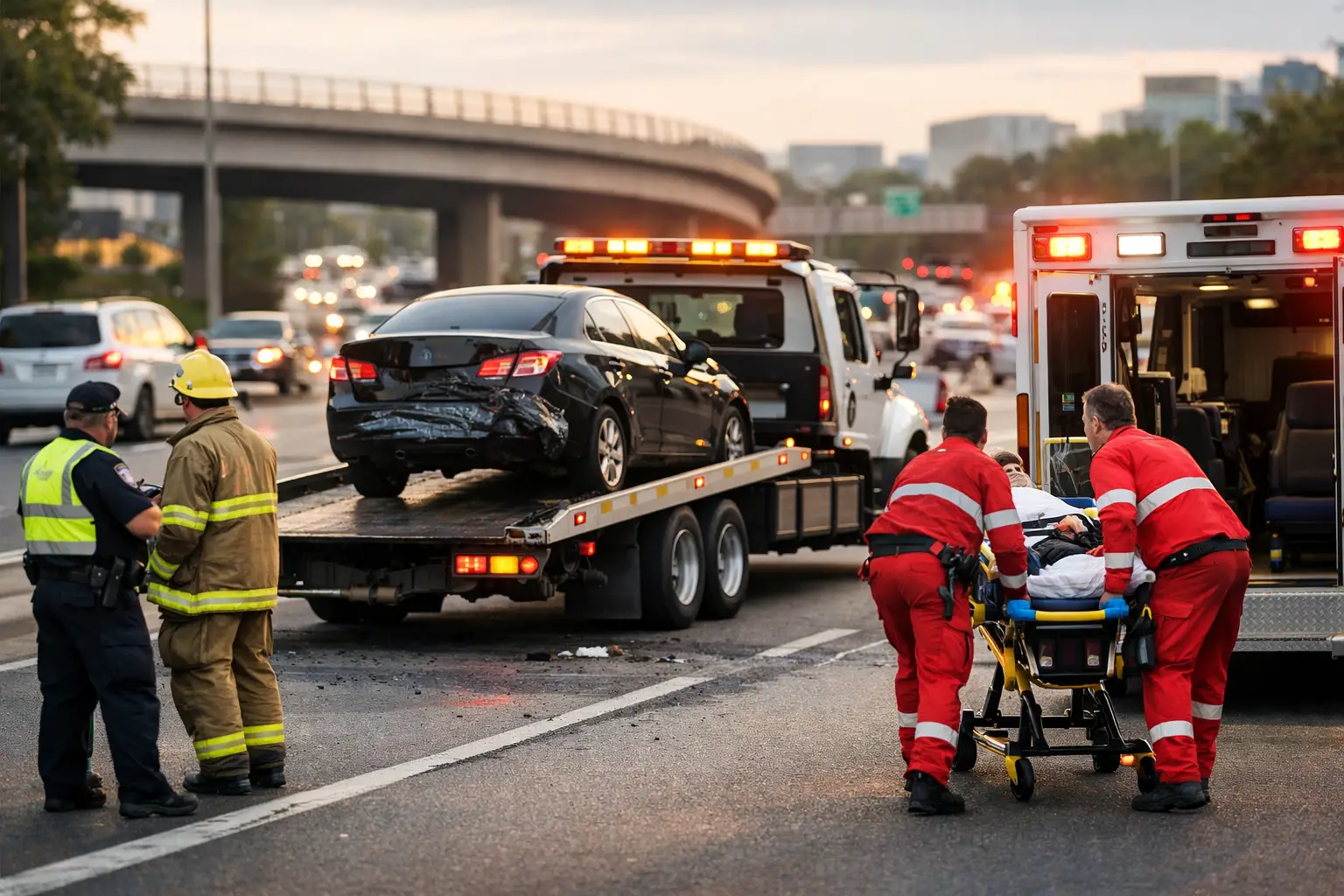
A crash on a packed roadway gives nobody much time to think. In a case study quick accident recovery on busy roadway conditions, the difference between a controlled response and a second collision often comes down to minutes, lane position, and whether the right truck is sent the first time.
For drivers in Kenner and New Orleans, that matters more than most people realize. Heavy traffic, tight shoulders, sudden weather changes, and impatient drivers can turn a minor wreck into a bigger hazard fast. When recovery is handled by trained, insured operators with the right equipment, the goal is simple - protect people first, clear the lane safely, and move the damaged vehicle without adding more problems.
What happened in this case study quick accident recovery on busy roadway response
The incident involved a two-vehicle crash during a high-traffic period on a multi-lane roadway near a major commuter route. One SUV had front-end damage and was disabled in the right lane. The second sedan had rear-quarter damage and had made it partly onto the shoulder, but not far enough to be fully out of traffic.
At that point, the roadway was still active. Vehicles were braking late, drivers were trying to merge around the scene, and the disabled SUV was exposed to passing traffic. That kind of setup is risky because the first accident is no longer the only problem. Secondary impacts become the real concern.
Dispatch received the call with basic but critical details - location, number of vehicles, lane blockage, visible damage, and whether anyone appeared injured. That information shaped the response immediately. Instead of sending a generic tow truck and figuring it out on arrival, the operator was dispatched with equipment matched to the scene.
The first priority was scene safety
On a busy roadway, recovery is not just about hooking up a vehicle and leaving. The first few minutes are about space management, traffic awareness, and making sure the recovery process does not create a worse hazard.
When the tow operator arrived, vehicle placement mattered right away. The truck was positioned to give the disabled SUV a protective buffer from moving traffic while still allowing enough working room for loading. Emergency lighting increased visibility, but lighting alone is never enough. Drivers do not always slow down, and some do not move over until the last second.
The operator made a quick assessment of the scene, confirmed the damaged vehicles were stable enough for loading, and coordinated the order of removal based on traffic exposure. The SUV sitting in the active lane had to go first. The sedan on the shoulder could wait a few extra minutes because it was in a less exposed position.
That decision sounds simple, but this is where experience matters. The fastest recovery is not always the one that loads the easiest vehicle first. It is the one that removes the highest-risk obstruction first.
Why the right equipment changed the outcome
This case did not call for guesswork. The disabled SUV had front-end damage that made standard towing less ideal. A flatbed was the safer choice because it reduced the chance of dragging damaged components, putting extra stress on the drivetrain, or causing more damage during transport.
The sedan, which had less severe damage and better positioning, could be handled after the main lane was cleared. If the wrong truck had been sent first, the operator might have had to wait for backup equipment or improvise under pressure. Either option would have added time and risk.
Fast dispatch only helps if the truck arriving can actually do the job. That is one reason professional recovery companies focus so heavily on matching the call to the vehicle type, damage condition, and roadway environment.
How the recovery was completed quickly
The SUV was prepared for loading with careful attention to damaged front components and wheel position. Because traffic was still moving close to the scene, every step had to be efficient and controlled. The vehicle was winched onto the flatbed rather than forced into motion, which helped avoid additional mechanical or structural strain.
Once secured, the SUV was removed from the lane and traffic flow improved almost immediately. That single step reduced the chance of a chain-reaction crash behind the scene. The operator then returned attention to the sedan, which was loaded with less urgency but the same care.
The full roadside portion of the recovery was completed in a short window because there was no wasted motion. Dispatch had gathered the right details. The correct equipment was sent. The operator prioritized hazards in the right order. That is what quick accident recovery really looks like in practice.
What drivers usually get wrong after a crash
A lot of delays happen before the tow truck ever arrives. Drivers are often shaken up, which is understandable, but small decisions can affect both safety and recovery time.
One common mistake is staying in a dangerous lane when the vehicle can be moved a short distance to a shoulder or safer area. Another is giving incomplete location details during the call. On a busy roadway, saying only the street name is often not enough. Cross streets, lane direction, nearby exits, and vehicle type all help dispatch move faster.
Some drivers also assume any tow truck can handle any accident scene. That is not always true. A vehicle with wheel damage, steering damage, low clearance, or collision impact may require a different approach than a basic breakdown. Sending the wrong equipment can cost valuable time.
What this case study quick accident recovery on busy roadway teaches
The biggest lesson is that speed without control is not a solution. On a crowded road, quick recovery has to be organized, safe, and equipment-specific.
It also shows why licensed and insured towing matters. Accident recovery exposes everyone to higher risk - the driver, passengers, passing traffic, and the vehicle itself. A trained operator knows how to load a damaged car without making things worse. An insured company adds another layer of protection during a stressful event where mistakes can get expensive.
There is also a customer service lesson here. People in accident situations do not want a vague promise. They want to know help is on the way, what kind of truck is coming, and that the operator can handle the vehicle properly. Clear communication lowers stress almost as much as fast arrival.
Why busy roadway recovery is different from a normal tow
A standard tow from a driveway or parking lot is controlled from the start. A roadway accident is not. Space is limited, traffic is unpredictable, and the vehicle may be unstable or badly positioned.
That changes the whole job. Operators have to think about lane exposure, debris, damaged suspension, leaking fluids, and the safest loading angle. Sometimes the fastest visible move is the wrong one if it risks more damage or puts the operator too close to live traffic.
This is why experienced local companies have an advantage. They know the flow patterns, the trouble spots, and how quickly congestion can build around an incident in the New Orleans area. That local awareness helps with routing, arrival, and scene decisions that save minutes when minutes matter.
What to do if your vehicle is in a similar situation
If you are involved in a crash on a busy roadway, focus first on immediate safety. Call emergency services if there are injuries, move to a safer area if possible, and give exact location details when requesting towing. Mention whether the vehicle is blocking a lane, whether wheels are damaged, and whether it can roll.
If you need recovery, ask for a licensed and insured towing company that handles accident scenes, not just basic breakdowns. If your vehicle has visible collision damage, a flatbed is often the safer choice. The goal is not just getting it moved. The goal is getting it moved without adding risk, delay, or avoidable damage.
For local drivers, this is exactly why companies like Zain Towing LLC stay ready 24/7 with trained operators and the right equipment for urgent roadside recovery. A fast response is important, but a safe and properly managed response is what actually gets the road cleared and your vehicle where it needs to go.
When an accident shuts down part of a busy road, the best recovery is the one that feels calm, controlled, and fast even under pressure. That is what drivers should expect when they make the call.
Need help right now?
Zain Towing runs 24/7 in Kenner, New Orleans, Metairie, Harahan and Gretna. Call (504) 666-9099 or see our towing service, roadside assistance and New Orleans pages.