Driver Guide to Accident Towing
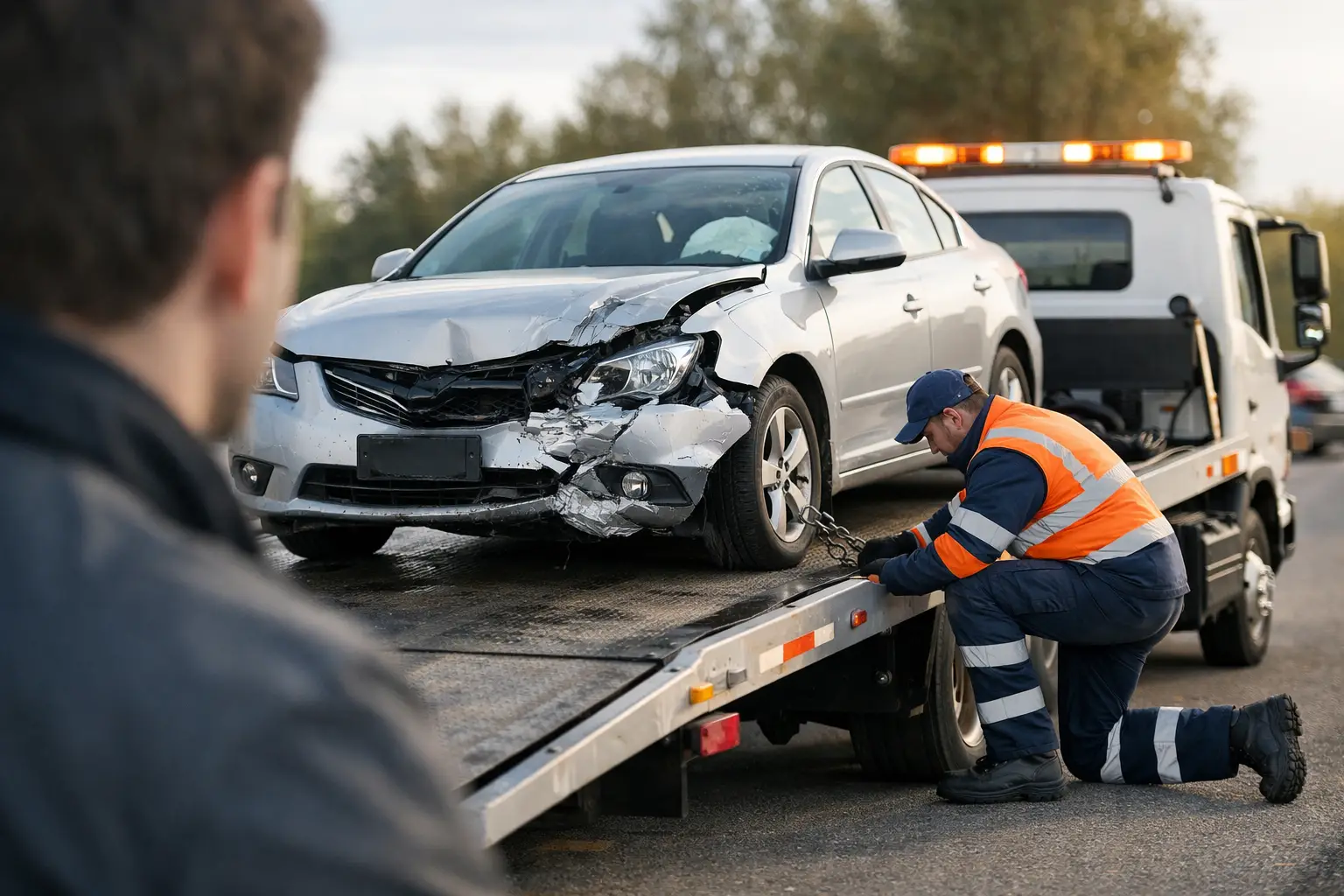
The crash is over, but the next 10 minutes matter almost as much. If your vehicle is blocking traffic on I-10, sitting on the shoulder near Kenner, or disabled on a New Orleans side street, you need a clear driver guide to accident towing that helps you protect yourself, your passengers, and your vehicle without adding more stress.
Accident towing is different from a standard breakdown tow. After a collision, the vehicle may have hidden damage, leaking fluids, broken suspension parts, or airbags deployed. That means the safest move is not always the fastest-looking move. The right tow starts with safety, proper dispatch, and equipment that fits the condition of the vehicle.
What to do first at the accident scene
Start with people, not the car. Check for injuries, call 911 if anyone is hurt, and move to a safer location if you can do so without creating another hazard. Turn on your hazard lights. If the vehicle is drivable and law enforcement says it is safe to move, get it out of active traffic.
If the car will not move, or moving it could cause more damage, leave it where it is and wait for instructions from police or the tow operator. A vehicle with front-end impact, wheel damage, steering damage, or a fluid leak should never be forced down the road just to avoid a tow bill. That choice often turns a towable vehicle into a much more expensive repair.
Take photos while you wait. Get wide shots of the scene, close-ups of damage, license plates, road position, and any debris or skid marks if they are visible. These images can help with insurance questions later, and they also give the towing company a better idea of what equipment may be needed.
A driver guide to accident towing: when you need a tow
Not every post-accident vehicle needs the same kind of tow. If the crash was minor and the car drives straight, has no warning lights related to steering or braking, and has no rubbing tire, leak, or dragging part, law enforcement or your insurer may still allow you to drive it a short distance. But that is not a decision to guess on.
In many cases, towing is the safer option even when the vehicle still starts. A bumper can be pushed into a tire. A bent control arm can fail a mile later. A cracked radiator can overheat the engine while you are trying to get home. After a crash, visible damage is only part of the picture.
You likely need accident towing if the airbags deployed, the wheels are turned at an odd angle, fluids are leaking, the vehicle will not start, the frame or suspension looks bent, a door will not close, or law enforcement says the vehicle must be removed. Motorcycles, trucks, SUVs, and luxury vehicles also need extra care because tie-down points and load angles matter.
Why the right tow method matters
This is where a lot of drivers get caught off guard. The wrong towing method after an accident can add damage that was not part of the crash. If the drivetrain, steering, wheels, or undercarriage are compromised, improper loading can worsen everything from alignment issues to body damage.
Flatbed towing is often the best choice after an accident because it keeps the entire vehicle off the road. That reduces strain on damaged tires, axles, and suspension parts. It is also the preferred option for all-wheel drive vehicles, many luxury models, motorcycles, and vehicles with significant collision damage.
Wheel-lift towing may still be appropriate in some situations, especially for short-distance recovery when the vehicle condition allows it. But after a collision, the operator needs to assess the damage first. Safe accident towing depends on the actual condition of the car, not just whether it can be hooked up quickly.
What to ask before the tow truck arrives
When you call for service, clear information helps dispatch send the right truck the first time. Tell them your exact location, whether the vehicle is in traffic or off-road, and whether anyone is injured. Then describe the vehicle and the damage as simply as possible.
Mention if the airbags deployed, if a wheel is broken or missing, if the car is stuck against a curb or median, or if fluids are leaking. If you drive an SUV, pickup, motorcycle, EV, or lowered vehicle, say that too. Those details affect equipment choice and loading plan.
You should also ask where the vehicle is being taken. Some drivers want the car delivered to a body shop. Others want it taken home, to a storage lot, or to a dealership. If you are not sure yet, say so. A professional dispatcher can walk you through the best option based on the damage, insurance process, and your location.
Protecting yourself from confusion and extra costs
Accidents are chaotic, which is why drivers should slow the decision-making down just enough to stay in control. Before the tow begins, confirm the destination, ask for the company name, and make sure you understand whether the vehicle is going to a repair shop, impound lot, or private property.
If law enforcement is directing the scene, follow those instructions. If you have a choice of towing provider, use a licensed and insured company with trained operators. That matters because accident vehicles need secure loading, careful tie-downs, and documented handling. Cheap towing is not a bargain if it creates more body or undercarriage damage.
It is also smart to remove valuables and personal items if the vehicle is being stored anywhere overnight. Take your wallet, medications, keys, phone charger, work bag, child items, and any documents you may need. If the car cannot be opened safely, let the operator know before loading starts.
What happens during accident towing
Once the truck arrives, the operator will assess the vehicle before loading. That includes checking wheel condition, rollover risk, underbody contact points, and whether the vehicle can roll or needs recovery tools. On some accident scenes, the job is simple. On others, it may involve winching, skates, dollies, or special positioning to avoid more damage.
This is one reason trained operators matter. A damaged car is unpredictable. A tire may collapse during loading. A bumper may catch. A suspension part may shift under weight. Careful towing is about controlling those risks, not rushing past them.
If your vehicle is heavily damaged, ask where it will be stored and how you can access it later. If it is going directly to a repair facility, confirm the shop name and address. Small details are easy to miss when adrenaline is high.
Driver guide to accident towing and insurance questions
Insurance can pay for towing after an accident, but coverage depends on your policy, fault questions, and where the vehicle is being taken. Some drivers have roadside or collision coverage that includes towing. Others pay up front and submit reimbursement later.
The safest move is to document everything. Save the tow receipt, take a photo of the truck and your vehicle loaded on it if possible, and note the operator name, company name, destination, and time of pickup. Those details help if there is any dispute later about storage, delivery, or reimbursement.
Do not assume your insurer wants the vehicle taken to the cheapest place. Sometimes a body shop, dealer, or home address makes more sense depending on damage level and next steps. It depends on whether the vehicle is drivable after inspection, whether a claim has already been opened, and whether storage charges will start immediately.
Local factors drivers in Kenner and New Orleans should keep in mind
In this area, traffic density, narrow streets, sudden weather, and highway congestion can change an accident tow fast. A vehicle on a busy route may need rapid removal for safety. Heavy rain can make shoulder recovery more dangerous. Flood-prone spots can also turn a minor crash into a recovery situation if a disabled vehicle cannot stay where it is.
That is why response time matters. A 24/7 towing company with the right trucks, local route knowledge, and trained operators can reduce how long you are exposed roadside and get the vehicle moved with less risk. For drivers in Kenner and New Orleans, fast dispatch is not just convenience. It is part of staying safe.
If you need immediate help after a collision, choose a company that is licensed, insured, and prepared for accident towing, not just basic breakdowns. Zain Towing LLC is built for that kind of call - fast response, secure handling, and trained operators ready around the clock. When the scene feels overwhelming, the best next step is simple: get yourself safe, get clear information, and get the right tow the first time.
Need help right now?
Zain Towing runs 24/7 in Kenner, New Orleans, Metairie, Harahan and Gretna. Call (504) 666-9099 or see our towing service, roadside assistance and New Orleans pages.