Emergency Towing for Highway Breakdowns
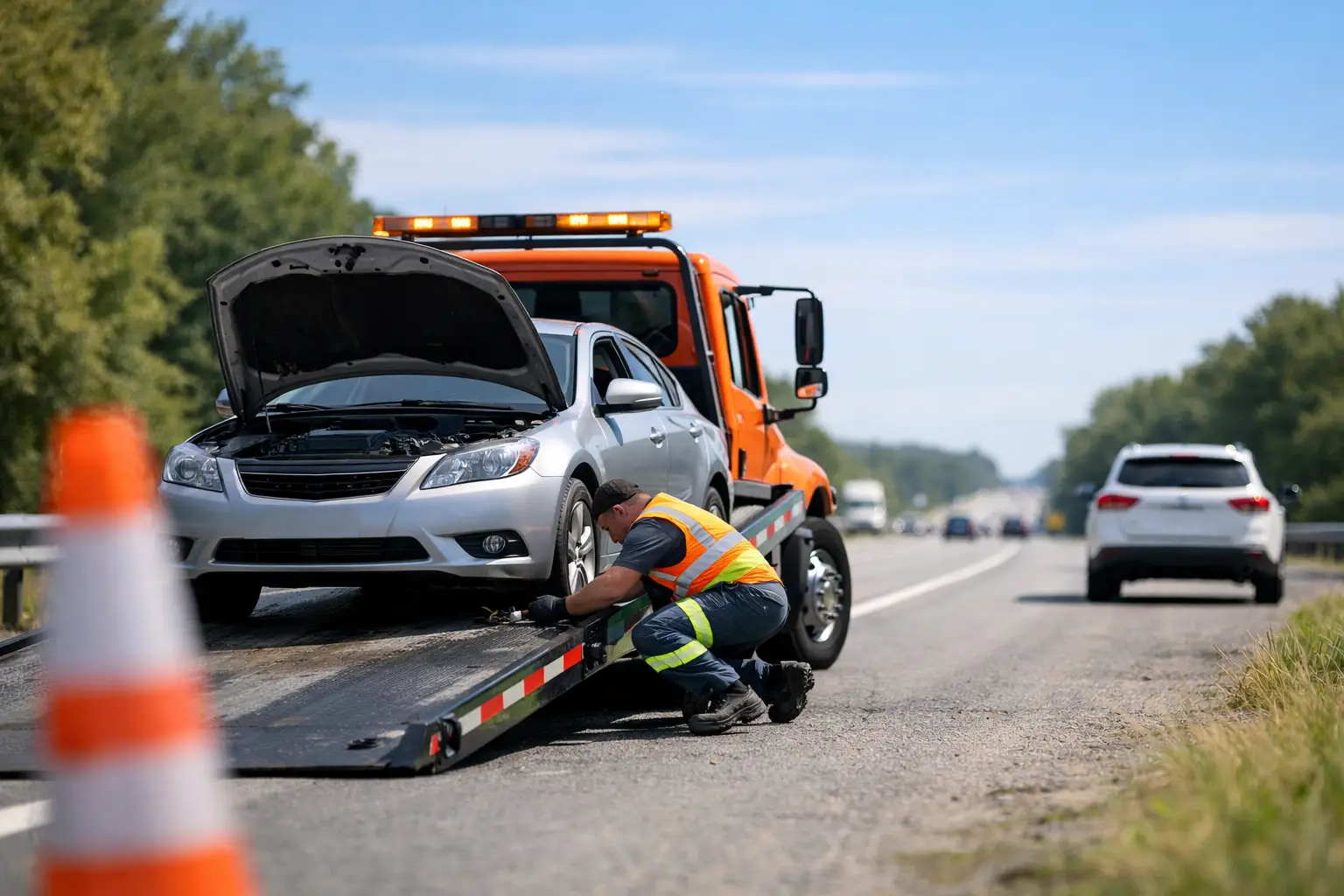
A highway breakdown gets serious fast. Traffic is moving at full speed, your vehicle may be partly disabled, and every minute on the shoulder raises the risk. That is why emergency towing for highway breakdowns is not just about getting a ride for your vehicle - it is about protecting you, your passengers, and everyone else on the road.
If your car, truck, SUV, or motorcycle quits on I-10, I-610, Airline Drive, or any high-traffic road around Kenner and New Orleans, the first priority is safety. The second is getting the right truck and operator on the way without delay. In a real roadside emergency, speed matters, but so does sending equipment that matches the vehicle and situation.
What to do first during a highway breakdown
The best next step depends on where your vehicle stopped and whether it can still roll safely. If you can steer, move as far onto the shoulder as possible. Turn on your hazard lights right away. If it is dark, raining, or visibility is poor, that step matters even more because drivers need as much warning as possible.
If the vehicle is in a travel lane and cannot move, stay calm and call for help immediately. If you can exit safely and get away from traffic, do it. If getting out puts you closer to moving vehicles, it may be safer to stay inside with your seat belt on until professional help or law enforcement arrives. It depends on traffic speed, road position, weather, and whether your vehicle is exposed to impact.
A lot of drivers lose time trying to diagnose the problem on the shoulder. On a highway, that is usually the wrong move. A dead battery, overheating engine, blown tire, transmission failure, or steering issue can all look manageable for a minute, then turn into a dangerous situation. Your focus should be location, visibility, and getting a trained tow operator dispatched.
When roadside help is enough and when towing is the safer call
Not every breakdown needs a full tow, but many highway situations do. A jump-start, tire change, fuel delivery, or lockout service may solve the immediate problem if the vehicle is otherwise safe to drive. The issue is that highways are less forgiving than parking lots or neighborhood streets.
For example, a spare tire may get you moving again, but not every driver is in a safe place to wait through a tire change on the shoulder. A battery may restart once, then fail again in heavy traffic. An overheating engine may cool down temporarily, but driving it farther can cause major damage. If there is any doubt about mechanical reliability, towing is often the safer and less expensive choice compared with risking a second failure in a worse spot.
That is where a professional dispatcher helps. Once they know your vehicle type, exact location, and what happened, they can decide whether to send roadside service or a tow truck. The right answer is not always the cheapest immediate option. It is the one that gets you out of danger and prevents more damage.
Why emergency towing for highway breakdowns requires the right equipment
Highway calls are different from simple local tows. Traffic speed, limited shoulder space, and vehicle position all affect how the tow is handled. A professional company should send the truck that fits the weight, condition, and driveline of your vehicle.
Many vehicles are best moved by flatbed towing, especially if they have drivetrain damage, suspension issues, low ground clearance, or accident-related damage. A flatbed keeps the entire vehicle off the road and reduces the chance of added wear during transport. For some light- and medium-duty situations, another tow method may be appropriate, but only if it matches the vehicle and the condition it is in.
That matters for more than convenience. Improper hookup can damage bumpers, wheels, undercarriages, or transmission components. On a highway breakdown, you want a licensed and insured team using professional equipment, not a rushed guess.
What a fast dispatch should look like
When you call for emergency towing, you should not have to explain everything twice or wonder if the truck is actually coming. A good dispatch process is simple and direct. The operator asks for your location, lane or shoulder position, vehicle make and model, issue if known, and where the vehicle needs to go. Then they send the right unit.
The biggest difference in a stressful moment is clarity. You need to know help is on the way, what kind of truck is coming, and what happens next. For drivers in the Kenner and New Orleans area, that local response matters. Roads stay busy, weather shifts quickly, and stranded drivers need someone who knows the area and can move fast.
A stated rapid arrival goal is important, but so is what happens on scene. The tow operator should secure the area, assess how the vehicle can be loaded safely, and transport it without creating new damage. Fast matters. Safe matters just as much.
Information to have ready when you call
You do not need technical expertise to make the call. In fact, most stranded drivers do not know exactly what failed, and that is fine. The most helpful details are practical ones.
Be ready to give your exact location, nearest exit or mile marker, vehicle type, whether the vehicle can roll, and whether you are carrying passengers. If you know the problem, say it. If you do not, describe what happened - smoke, warning lights, flat tire, no start, engine shutoff, collision, or loss of power. That is enough for dispatch to begin matching the right service.
If you need transport beyond the nearest shop, mention that early. Some drivers need local towing to a repair facility, while others need long-distance hauling to another city, home, or dealership. The destination changes the job, so it helps to be clear up front.
Common highway breakdown situations
Some calls are straightforward. Others need extra caution. A simple engine stall on the shoulder is different from a vehicle with front-end damage after a collision. A pickup truck pulling extra weight is different from a small sedan with a dead battery. RVs, motorcycles, and loaded SUVs also require different handling.
Weather can complicate everything. In heavy rain, visibility drops and shoulder conditions worsen. At night, drivers may not see a disabled vehicle until the last second. In those cases, quick arrival and proper scene safety are a major part of the service, not just the tow itself.
There is also the issue of secondary damage. Drivers sometimes try to limp a failing vehicle to the next exit. That can work, but it can also turn a repairable issue into a major mechanical failure. If the engine is overheating, the steering feels unstable, the brakes are compromised, or a wheel or tire is damaged badly enough to affect control, do not gamble with more highway miles.
Choosing a towing company when time matters
When you are stranded, the decision usually comes down to trust. You want a company that answers 24/7, dispatches quickly, uses trained operators, and carries proper licensing and insurance. You also want clear pricing and straight communication. Under stress, vague answers are a bad sign.
A professional local company should be able to handle more than one type of call. That includes light-duty and medium-duty towing, flatbed service, roadside help, and recovery when a vehicle is stuck or damaged. If the company can match the job to the right equipment quickly, your wait is shorter and the process is smoother.
For local drivers and travelers around Kenner and New Orleans, Zain Towing LLC is built for exactly that kind of response - 24/7 dispatch, trained operators, and secure transport focused on getting you out of a dangerous roadside situation fast.
Emergency towing for highway breakdowns in New Orleans traffic
In this area, road conditions and traffic patterns make breakdowns even more stressful. Congested interstates, narrow shoulders, sudden weather changes, and heavy commercial traffic all raise the risk. A fast and friendly response is not just customer service language here. It directly affects how long you remain exposed on the roadside.
That is why professional towing should feel organized from the first call. You should know someone is coming, your vehicle type has been noted correctly, and the goal is both quick clearance and damage-free transport. Whether you drive a commuter car, rideshare vehicle, work truck, SUV, motorcycle, or family vehicle, the basics stay the same - protect the scene, dispatch the right truck, and move the vehicle safely.
If your vehicle breaks down on the highway, do not wait for the situation to get worse. Get to a safer position if you can, turn on your hazards, and call for help right away. The right tow at the right time does more than move a disabled vehicle - it gets people out of danger and gives them a clear next step.
Need help right now?
Zain Towing runs 24/7 in Kenner, New Orleans, Metairie, Harahan and Gretna. Call (504) 666-9099 or see our towing service, roadside assistance and New Orleans pages.