Emergency Towing Near Me: What to Do Next
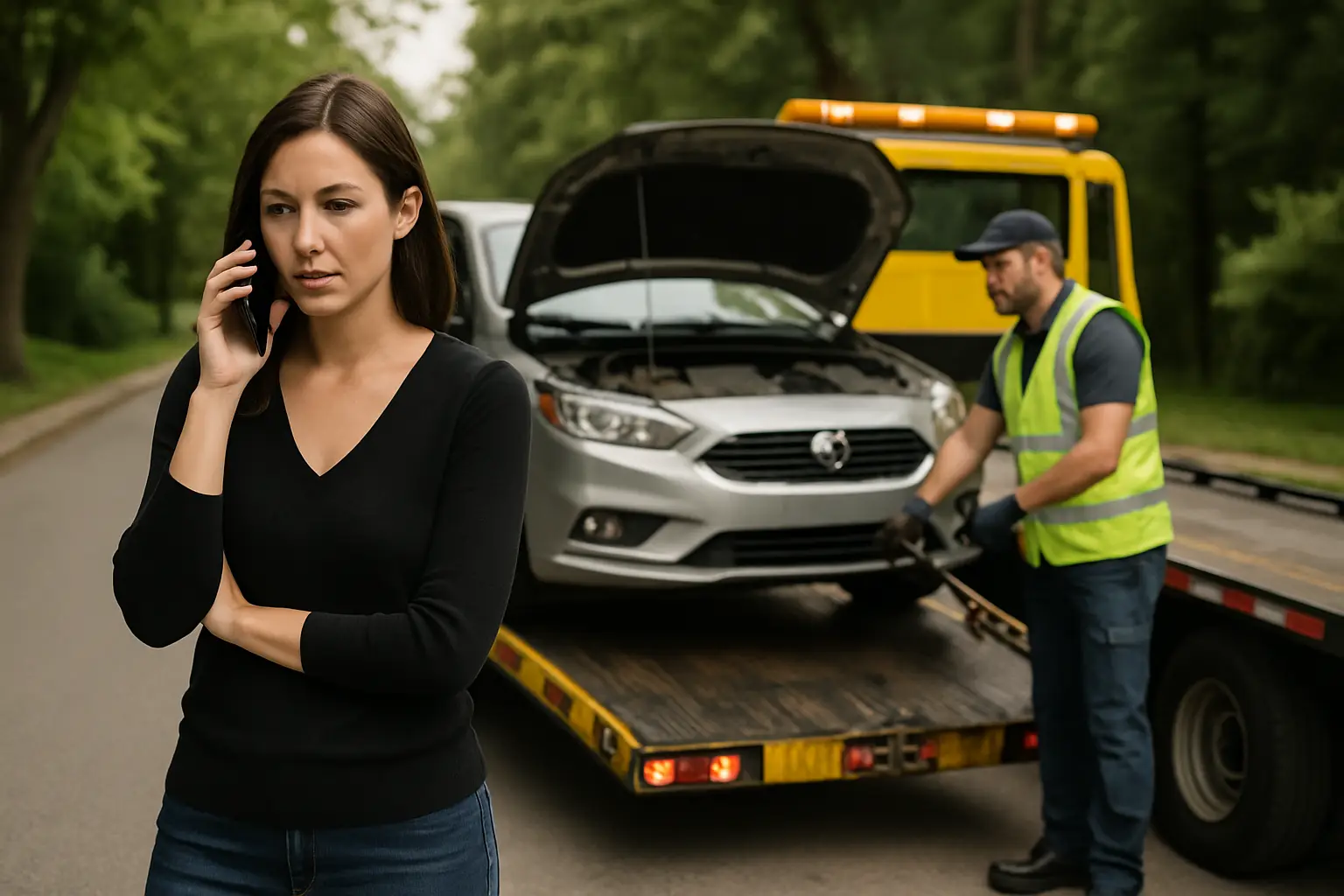
Your car dies in the worst possible spot - a dark stretch near the airport, a tight corner in Mid-City, or the shoulder with traffic ripping past you. Your phone is in your hand and you type “emergency towing near me.” Now the real question is: how do you get a truck to you fast, without turning a stressful moment into a bigger problem?
This guide is built for drivers in Kenner and the New Orleans area who need help right now or want a plan before the next breakdown. You do not need towing jargon. You need clear next steps, the right questions to ask, and a safe path from where you are to where you need to be.
First, get safe before you get towed
A tow truck can get to you quickly, but you still have to manage the next 2 minutes. If you can move the vehicle, steer to a shoulder, parking lot, or the nearest safe, well-lit area. Turn on hazard lights immediately.
If you are stuck in an active lane or on a blind curve, prioritize getting yourself and passengers out of harm’s way. Stand behind a guardrail if there is one, or move well away from traffic. At night, keep your phone flashlight off the roadway so you are not drawing drivers toward you.
If there is a crash, suspected injuries, fire, or leaking fuel, call 911 first. Towing is part of the solution, but emergency services come before vehicle recovery in those situations.
When “emergency” towing is actually needed (and when it is not)
Not every tow is an emergency, but a lot of situations feel like one - and that matters because stress makes people rush into bad decisions.
It is usually a true emergency when your vehicle is blocking traffic, you are on a highway shoulder, you are in an unsafe neighborhood or lighting situation, or your car is disabled in a place where it could be hit. It also counts when you have a time-sensitive situation like getting kids home, protecting a work vehicle, or avoiding an overnight parking tow.
If you are at home and the car will not start, you may still need towing, but you might have options like a jump-start, tire service, or lockout help first. A good dispatcher will ask the right questions and send what you actually need, not just a tow truck by default.
“Emergency towing near me” - how dispatch chooses the right truck
When you call for emergency towing near me, what you are really requesting is fast dispatch plus the correct equipment for your vehicle and your situation. The fastest tow is the one that arrives prepared.
Dispatch will usually decide between a wheel-lift tow truck and a flatbed. A wheel-lift can be a great option for certain light-duty tows, quick relocations, and short-distance transport when the vehicle can roll and steering is intact. A flatbed is often the safer choice for all-wheel drive, low-clearance vehicles, motorcycles, or when you want maximum protection from drivetrain or bumper damage. Medium-duty needs - heavier trucks, vans, some RV scenarios, or recovery situations - may require a different unit and a more specialized operator.
That is why your details matter. A “quick tow” can become a delay if the wrong truck shows up and has to swap out.
What to tell the tow company (so they can move fast)
You do not have to give a speech. You just need to give the dispatch information that affects equipment, access, and safety.
Start with your exact location. If you are on an interstate, share the direction of travel, the nearest exit, and what side of the road you are on. If you are in a parking garage or tight lot, say so right away - clearance and access change everything.
Next, describe the vehicle: year, make, model, and whether it is AWD/4WD. Mention if the steering is locked, the wheels are turned hard, or the car will not roll. Tell them if you have a flat tire, a blown tire, or body damage that might interfere with loading.
Then give the destination and your goal. Do you need a shop? Your driveway? A dealership? A long-distance haul? Some drivers only know the general area at first, and that is okay. A dispatcher can still get a truck rolling and update the destination as soon as you decide.
Questions you should ask on the phone
When you are stressed, you want simple confirmations. A professional towing company will not get annoyed by basic questions - they will answer clearly.
Ask for an estimated arrival window and whether traffic or weather could affect it. Ask what type of truck is being dispatched (flatbed vs wheel-lift) so you know what to expect. If you have an AWD vehicle, confirm they are sending equipment that can tow it safely.
Pricing is where people get burned, so ask how rates are calculated: hookup, mileage, after-hours, winching/recovery, and storage if it is being taken to a yard. Real emergencies have variables, and it depends on access and difficulty. But you should still be able to get a clear explanation of what is known now and what could change.
Finally, confirm the payment methods accepted and whether you need to be present for the tow. If you are injured, stuck at work, or coordinating with family, that detail matters.
Common New Orleans and Kenner scenarios that change the tow
Local conditions affect towing more than most drivers realize. In the Kenner and New Orleans metro, a few situations come up constantly.
Flooded streets and water exposure are a big one. If a vehicle has taken on water, do not try to restart it. Towing it properly can prevent additional damage, and the approach may change depending on where it is sitting and whether it can be shifted into neutral.
Tight parking and narrow streets are another. Loading a vehicle on a busy street may require quick coordination to keep everyone safe. If you are on a high-traffic corridor, the best move is often getting you to a safer nearby spot first, then completing the load.
Then there is the “it won’t go into neutral” problem, which shows up with modern vehicles and electronic shifters. That is not a deal-breaker, but it does affect the plan and sometimes the equipment needed.
Roadside help vs towing: avoid paying for the wrong service
A lot of calls that start as towing end up being solved on the spot. If your battery is dead, a jump-start may get you moving in minutes. If you are locked out, a lockout service can save you a tow entirely. If you have a flat, tire help can get you rolling if you have a good spare and safe conditions.
The trade-off is time and certainty. If your car has been overheating, stalling, or making grinding noises, getting it to a shop may be the smarter move even if it technically can start. “Just get it home” can turn into “now it needs an engine” if you push a failing vehicle too far.
What a safe tow looks like (damage prevention basics)
In an emergency, you are not only buying speed. You are buying careful handling.
A safe tow starts with proper loading. The operator should secure the vehicle with the correct tie-down points, protect low bumpers and bodywork, and confirm the vehicle is stable before moving. For flatbeds, the loading angle matters for low-clearance cars. For wheel-lift tows, the wheel straps and safety chains need to be set correctly.
Insurance and licensing also matter more than people think. Accidents happen on roads, not just in breakdowns. Using a licensed and insured provider protects you if something goes wrong while the vehicle is in someone else’s care.
How to avoid the worst towing surprises
If you are scanning results for “emergency towing near me,” it can be hard to tell who is legitimate and who is just a phone number.
Be cautious of vague pricing promises that sound too good to be true, especially if they will not explain how the total is calculated. Be cautious of a dispatcher who refuses to identify the company, or who cannot tell you what truck is coming. And if someone tries to pressure you into towing to a specific shop you did not ask for, slow down and take control of the destination decision.
You can also speed things up by having a plan on your end. Know where you want the vehicle to go, and keep your registration and ID accessible. If you are in a dangerous area, stay with the vehicle only as long as it is safe to do so.
Fast help in Kenner and New Orleans
If you are in the Kenner or New Orleans area and need a 24/7 response for towing, recovery, or roadside assistance, Zain Towing LLC dispatches trained operators with the right equipment for light- and medium-duty needs, with an urgency-first approach and a strong focus on safe, secure transport.
No matter who you call, the goal is the same: get you out of the danger zone, protect your vehicle from avoidable damage, and get you to the right destination without guesswork.
If you take one helpful step before the next emergency, make it this: save a trusted towing number now, while you are calm, so you are not trying to judge strangers on a search screen while cars are flying past your door.
Need help right now?
Zain Towing runs 24/7 in Kenner, New Orleans, Metairie, Harahan and Gretna. Call (504) 666-9099 or see our towing service, roadside assistance and New Orleans pages.