Flatbed Towing Benefits for Safer Transport
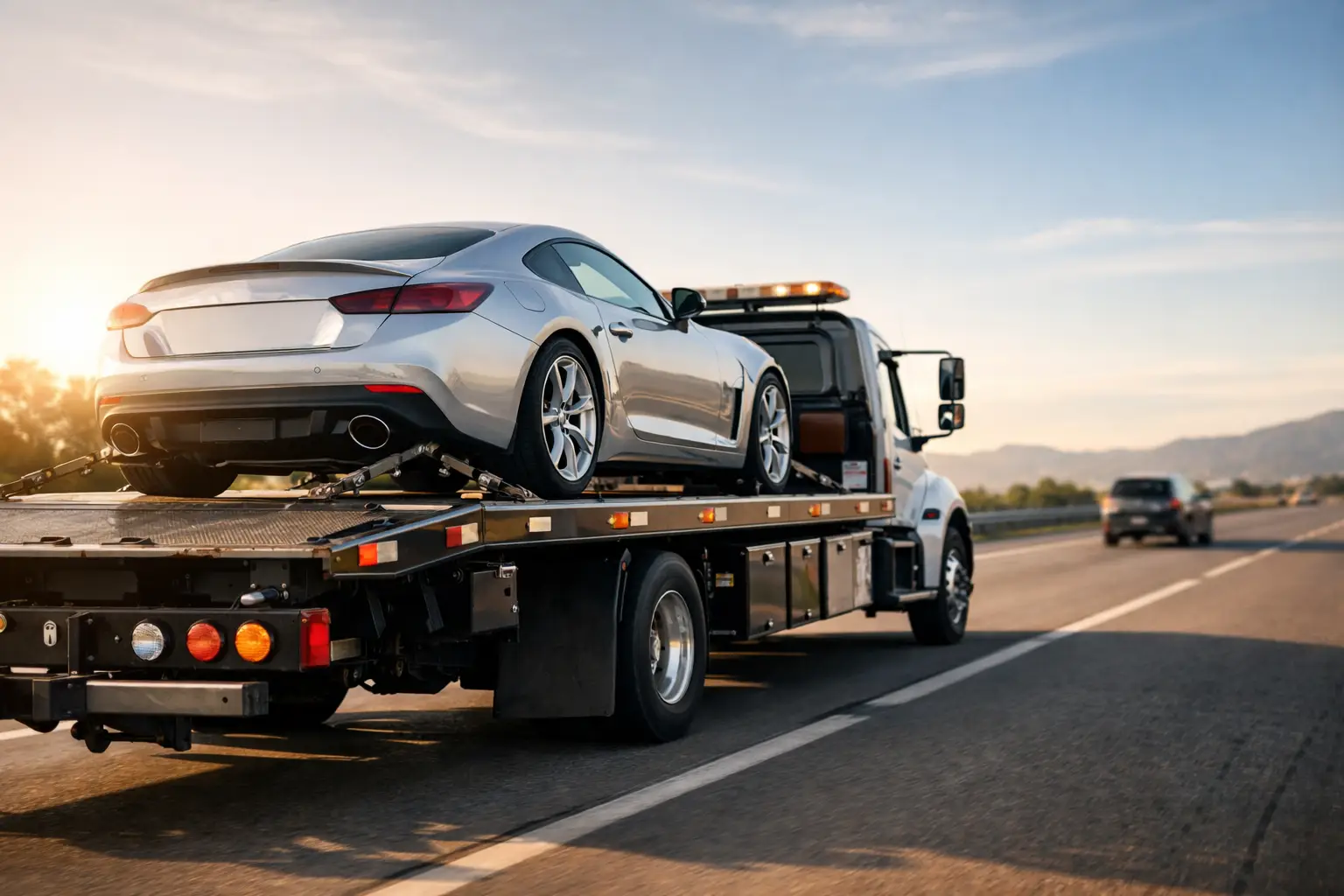
A car sitting low after a curb hit, an SUV with transmission trouble on I-10, or a motorcycle that cannot risk a rough pull - these are the moments when flatbed towing benefits matter most. When your vehicle is already in a bad spot, the last thing you want is extra wear, handling mistakes, or a tow method that is not right for the job. The right equipment makes a real difference in how safely your vehicle gets from pickup to drop-off.
For drivers in Kenner and New Orleans, towing is not just about moving a disabled vehicle. It is about protecting the vehicle during a stressful situation, getting help fast, and knowing trained operators are using the safest method available for the circumstances. Flatbed towing is often the best option because it keeps the entire vehicle off the road during transport.
Why flatbed towing is often the safest choice
With a flatbed tow truck, the vehicle is loaded onto a platform rather than being pulled with two wheels rolling on the roadway. That simple difference changes a lot. It reduces exposure to road debris, limits drivetrain strain, and gives the operator more control over secure loading and unloading.
That is one of the biggest flatbed towing benefits for everyday drivers - less chance of added damage while the vehicle is being transported. If your car has front-end damage, rear-end damage, tire problems, suspension issues, or all-wheel drive components that should not be dragged, a flatbed is usually the safer move.
This matters even more after an accident. A damaged vehicle may not track straight, may have leaking fluids, or may have parts hanging loose underneath. Pulling that kind of vehicle behind a wheel-lift truck can create more risk. Loading it fully onto a flatbed gives the operator a more secure setup and gives the customer more peace of mind.
Flatbed towing benefits for damaged vehicles
Not every tow is the same. Some vehicles can handle a basic tow without issue. Others need full support from the moment they leave the shoulder, driveway, parking lot, or accident scene.
When a vehicle has collision damage, flatbed towing helps prevent those damaged wheels, tires, axles, or body panels from taking more abuse. If the steering is compromised, if a wheel is bent, or if the suspension is unstable, a flatbed avoids forcing the vehicle to roll in a condition it was not designed to handle.
This is also important for low-clearance vehicles. Sports cars, luxury sedans, custom vehicles, and motorcycles often need a gentler loading angle and a transport method that avoids scraping. A flatbed can accommodate that more safely than a standard tow in many cases. The result is not just transport - it is controlled transport.
Better protection for all-wheel drive and specialty vehicles
Modern vehicles are not all built the same, and tow method matters. Many all-wheel drive and four-wheel drive vehicles should not be towed with two wheels on the ground unless very specific procedures are followed. The same goes for some electric vehicles, luxury models, and vehicles with transmission problems.
One of the most practical flatbed towing benefits is compatibility with a wider range of vehicle types. Instead of trying to work around drivetrain restrictions, the vehicle is lifted fully onto the bed and secured for transport. That lowers the chance of transmission damage, tire wear, and mechanical stress during the tow.
For motorcycle owners, the benefit is even clearer. A bike needs stable, upright transport with proper tie-down points and careful handling. Flatbed hauling gives that added stability and helps avoid the risks that come with makeshift solutions.
More secure transport over longer distances
Flatbed towing is not only useful for emergencies. It also makes sense for planned vehicle transport, especially when the distance is longer. If a vehicle needs to go across town to a body shop, out to a repair facility, or farther for relocation, keeping it fully off the road can be the smarter option.
Over longer distances, every mile with wheels turning can add wear if the vehicle is being pulled traditionally. That is a concern for inoperable vehicles, classic cars, project cars, and anything you simply do not want exposed to unnecessary road contact. A flatbed reduces that exposure.
There is also less guesswork for the customer. If the vehicle cannot be driven safely, cannot roll correctly, or has unknown mechanical issues, a flatbed is often the cleaner answer. It removes a lot of the variables that can create problems later.
Safer loading and unloading in difficult situations
Breakdowns do not happen in convenient places. They happen on narrow shoulders, in apartment complexes, in parking garages, outside hotels, at job sites, and in busy traffic zones. Accidents can leave vehicles in awkward positions, partly off the road, or blocked in by other traffic.
In those moments, the equipment and operator matter as much as the tow method. A flatbed allows for controlled winching and placement, which can be a major advantage when the vehicle is stuck, disabled, or unsafe to drive. Instead of trying to force movement through damaged wheels or steering, the operator can load the vehicle more carefully.
That does not mean flatbed towing is always the answer in every tight or difficult recovery. Sometimes access limits, location, or vehicle position can require another approach first. But when a flatbed can be used, it often provides the most secure transport once the vehicle is ready to move.
Reduced wear means fewer surprises later
A lot of drivers think of towing as one job: get the vehicle from point A to point B. But how it gets there can affect what happens next. Extra tire wear, drivetrain stress, underbody scraping, or movement during transport can turn one problem into two.
This is where flatbed towing stands out. Because the entire vehicle is carried, there is less opportunity for road-related wear during the tow itself. That can be especially important if your vehicle is already headed to a repair shop after a breakdown. You want the shop fixing the original problem, not uncovering new towing-related issues.
For families, commuters, rideshare drivers, and travelers, that matters. Every extra repair means more money, more downtime, and more disruption. Choosing the safer tow method upfront can help avoid those headaches.
Why professional operators matter just as much
A flatbed truck is only as good as the crew using it. Proper loading angles, secure tie-downs, weight balance, and careful unloading all matter. Licensed and insured towing is not just a selling point - it is part of protecting the customer and the vehicle.
Professional operators know when a flatbed is the right choice and when another tow setup may be more practical. They also know how to handle accident recovery, disabled vehicles, motorcycles, and medium-duty situations without cutting corners. That experience matters when you are stranded and need fast answers.
In a high-stress moment, most drivers are not comparing towing methods in technical detail. They want someone to show up quickly, assess the vehicle correctly, and move it without causing more damage. That is exactly where a professional, service-first company makes the difference.
When should you request a flatbed tow?
If your vehicle has been in an accident, has transmission trouble, has all-wheel drive, sits low to the ground, has wheel or tire damage, or simply cannot be driven safely, asking for a flatbed is a smart move. The same goes for motorcycles, specialty vehicles, and long-distance vehicle transport.
If you are not sure, say what happened when you call. Tell dispatch whether the car starts, whether the wheels turn, whether there is visible damage, and where the vehicle is located. That helps send the right truck and the right operator the first time. For local drivers who need help fast, that can save valuable time at the roadside.
Zain Towing LLC serves Kenner and the New Orleans area with 24/7 dispatch, trained operators, and safe vehicle handling built around exactly these situations. When the goal is fast arrival and secure transport, the right towing method is not a small detail - it is part of protecting your vehicle from the moment help arrives.
If your vehicle is stranded, damaged, or needs secure transport, ask for the tow method that gives it the best chance of arriving in the same condition it left. That extra level of protection is often what turns a stressful day into a manageable one.
Need help right now?
Zain Towing runs 24/7 in Kenner, New Orleans, Metairie, Harahan and Gretna. Call (504) 666-9099 or see our towing service, roadside assistance and New Orleans pages.