Flatbed Towing in Kenner When Damage Isn’t an Option
If your car won’t move, the last thing you want is to gamble on the wrong kind of tow. In Kenner, a breakdown can go from annoying to expensive fast - especially if the vehicle is low-clearance, all-wheel drive, or already damaged from a curb, pothole, or fender-bender.
A flatbed tow is the safe play when you’re trying to avoid making the problem worse. It’s not always required, and it’s not always the cheapest option, but in the right situation it can save you from drivetrain damage, scraped bumpers, and a repair bill that hurts more than the original breakdown.
What a flatbed tow actually does (and why it matters)
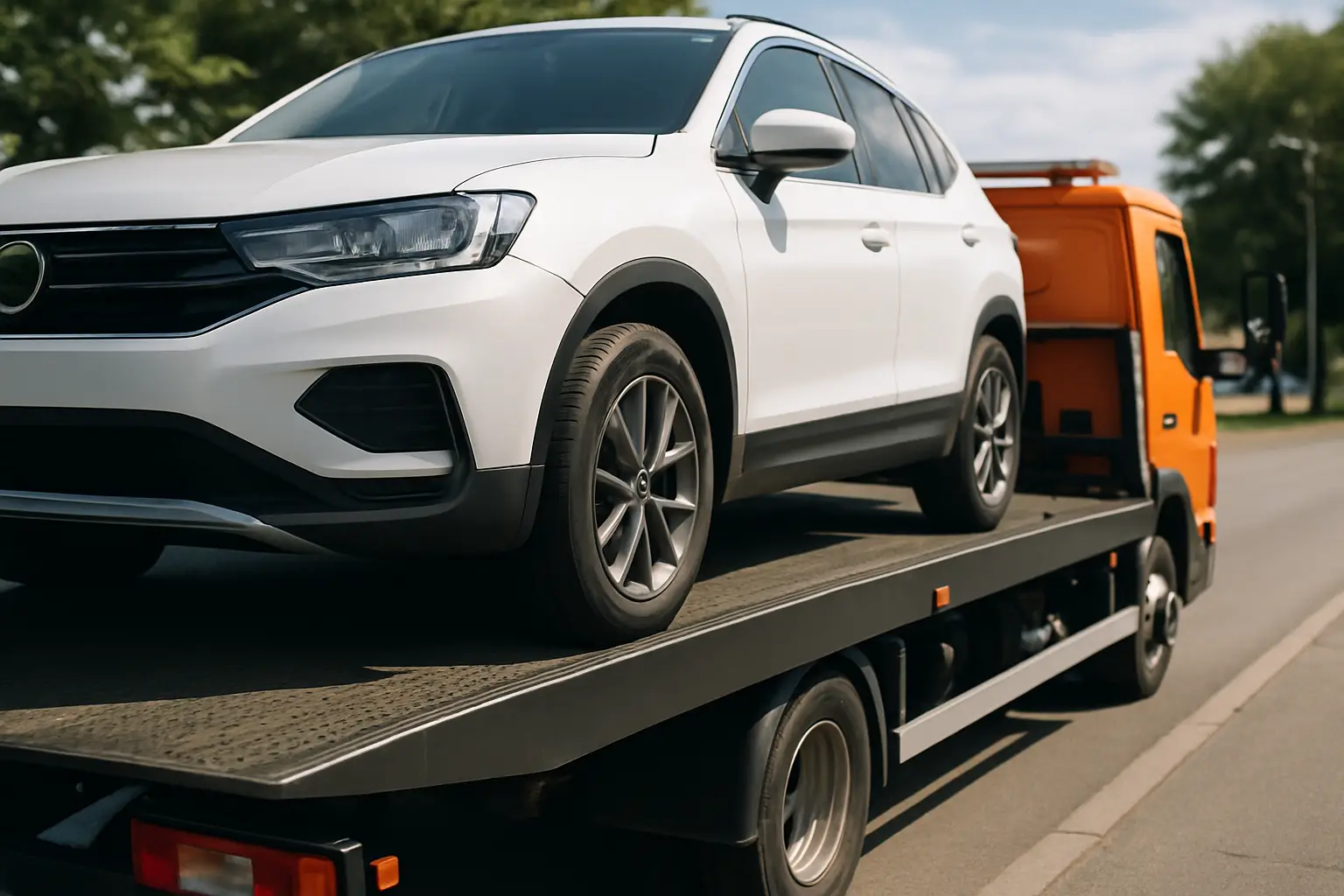
Flatbed towing means your vehicle is transported fully off the ground on a level deck. Instead of rolling on its own tires behind a wrecker, the car is winched onto a flat platform and secured at multiple points.
That difference sounds simple, but it changes everything. When a vehicle is off the ground, you remove the risks that come from dragging, free-rolling, or relying on drivetrain components that might already be compromised. For many modern vehicles, that’s the difference between “towed safely” and “towed but now it needs more work.”
Flatbeds are also the cleanest solution when a vehicle is stuck in a tight spot, has a wheel issue, or can’t be put in neutral reliably. And if you’re trying to transport something valuable or delicate - a classic car, a motorcycle, even a small boat on a trailer - having it carried on the deck is the secure option.
When to request a flatbed towing service in Kenner
Drivers often call and ask, “Do I need a flatbed?” The honest answer is: it depends. But there are a few situations where choosing a flatbed is the smart default.
AWD, 4WD, and many newer drivetrains
All-wheel drive vehicles are one of the most common reasons flatbed towing is recommended. If an AWD vehicle is towed improperly with wheels on the ground, it can put stress on the drivetrain. Some models have specific manufacturer guidelines that basically point you right back to a flatbed.
If you’re not 100% sure what your vehicle requires, tell the dispatcher your make and model and that it’s AWD or 4WD. It’s better to set the tow up correctly than try to “make it work” on the roadside.
Low-clearance cars and body kits
If your bumper scrapes when you enter a parking lot, that’s a sign you should be careful with towing. Low-clearance vehicles can get damaged during loading if the angle is too steep or if the wrong equipment is used.
A professional operator can still load many low cars safely, but the request matters. Tell dispatch it’s low and mention any aftermarket lip, side skirts, or air suspension. That lets the operator arrive ready with the right approach.
After an accident
Post-accident tows are not the time to experiment. A car that looks drivable can have a bent control arm, a locked wheel, or suspension damage that makes rolling unsafe.
A flatbed helps keep the vehicle stable and prevents additional damage while it’s being moved. It’s also a cleaner handoff if you’re sending the vehicle to a body shop and need it to arrive in the same condition it left.
Blown tires, broken wheels, or missing lug nuts
If a tire has shredded or the wheel itself is damaged, dragging the vehicle or trying to roll it can destroy the rim and sometimes the hub components. If you’ve got a flat and no safe way to mount the spare, a flatbed tow is a straightforward solution.
Vehicles that won’t shift to neutral or won’t start
A dead battery is one thing. A transmission that won’t shift, an ignition problem, or an electronic shifter issue is another. If the vehicle can’t roll normally, it may need to be winched and positioned carefully.
Trade-offs: when a flatbed might not be required
A flatbed is not automatically “better” in every scenario. Some simple breakdowns can be handled safely with other towing setups depending on the vehicle, the distance, and the roadside environment.
If you’re in a narrow spot or heavy traffic and a quick relocation is needed to get you out of danger, the fastest safe option might be something other than a flatbed. Also, for certain short-distance moves, a different tow configuration can be more efficient - but only if it’s compatible with your vehicle.
The key is not guessing. A good dispatcher will ask the right questions and match the truck to the job.
What to expect when you call for flatbed towing in Kenner
When you request service, you’re usually dealing with two problems at once: the vehicle and the clock. You want a truck dispatched quickly, and you want to feel confident that your car won’t be damaged during the tow.
A professional flatbed response typically looks like this: you share your location, vehicle details, and destination. The operator arrives, confirms the situation, sets up for safe loading, and secures the vehicle for transport. Once you’re on the deck, the tow is stable and controlled - no bouncing behind a truck, no extra miles on the drivetrain.
If you’re headed to a repair shop, dealership, body shop, or your home, it helps to have the destination address ready. If you don’t know where it’s going yet, say that upfront so dispatch can advise you on options.
How pricing works (and what changes the quote)
Most drivers want one thing: a real number they can plan around. Flatbed towing is usually priced based on distance, vehicle type, and complexity.
A few factors can raise or lower your quote:
- Distance from pickup to drop-off, including long-distance hauling out of the Kenner area
- Vehicle size and weight (sedans vs SUVs vs light trucks)
- Special circumstances like a vehicle stuck in a tight space, parking garage constraints, or an accident scene
- Time of day and current demand
If you’re comparing quotes, don’t just ask “How much per mile?” Ask whether the price includes loading, securement, and any special handling your vehicle may need. Cheap towing gets expensive when the car shows up with extra damage.
How to get a faster dispatch
If you’re stranded on I-10, near the airport, or in a busy commercial lot, every minute feels longer. You can help speed up the process by giving clear information on the first call.
Share your exact location (a nearby business name helps), your vehicle make and model, whether it’s AWD/4WD, and what’s wrong (won’t start, flat tire, accident, stuck). Mention if you’re in a garage with a height limit or if the vehicle is low-clearance. If you’re concerned about safety where you’re parked, say that too.
That information lets dispatch send the right truck the first time - which is usually the biggest factor in getting you moving quickly.
Flatbed towing for planned transport (not just emergencies)
Not every tow starts with hazard lights on the shoulder. Flatbeds are also a solid option when you need controlled transport for a vehicle that you don’t want to drive.
People schedule flatbed towing for:
- Moving a car to a mechanic when it’s running poorly but not fully broken down
- Transporting a classic or project car to a shop
- Delivering a vehicle to a buyer or family member locally
- Hauling motorcycles or specialty vehicles that require careful tie-downs
Planned transport usually gives you more flexibility on timing and pickup details. If you can schedule ahead, do it. You’ll reduce stress and often make the whole process smoother.
Why secure loading and tie-downs matter more than the truck itself
A flatbed is only as safe as the person operating it. The biggest difference between a good tow and a bad one is the loading angle, the winch technique, and how the vehicle is secured.
A properly secured vehicle should be stabilized at multiple points and checked before transport. If you ever feel rushed or unsure, ask what the plan is. A professional operator will explain what they’re doing and why.
Also, be cautious about leaving valuables in plain view. Towing isn’t a security service, and windows can get broken anywhere. If you can safely take important items (wallet, laptop, medication, paperwork), do it before transport.
Getting help 24/7 in Kenner
Breakdowns don’t wait for business hours, and neither should your tow. If you need a flatbed towing service Kenner drivers can call day or night, you want a team that can dispatch quickly, show up with the right equipment, and handle the vehicle like it matters.
If you’re in Kenner or the New Orleans area and need fast, insured towing and roadside help, Zain Towing LLC provides 24/7 dispatch with trained operators and flatbed capability for light- and medium-duty vehicles.
Before you hang up, confirm the pickup spot and a callback number. Then focus on the one thing that actually helps in the moment: staying safe while the truck is en route.
If you’re stuck right now, take a breath, get your location as precise as possible, and make the call with the details ready - the faster we know what’s happening, the faster you’ll see a flatbed pulling up.
Need help right now?
Zain Towing runs 24/7 in Kenner, New Orleans, Metairie, Harahan and Gretna. Call (504) 666-9099 or see our towing service, roadside assistance and New Orleans pages.