
A Practical Guide to Long Distance Car Hauling
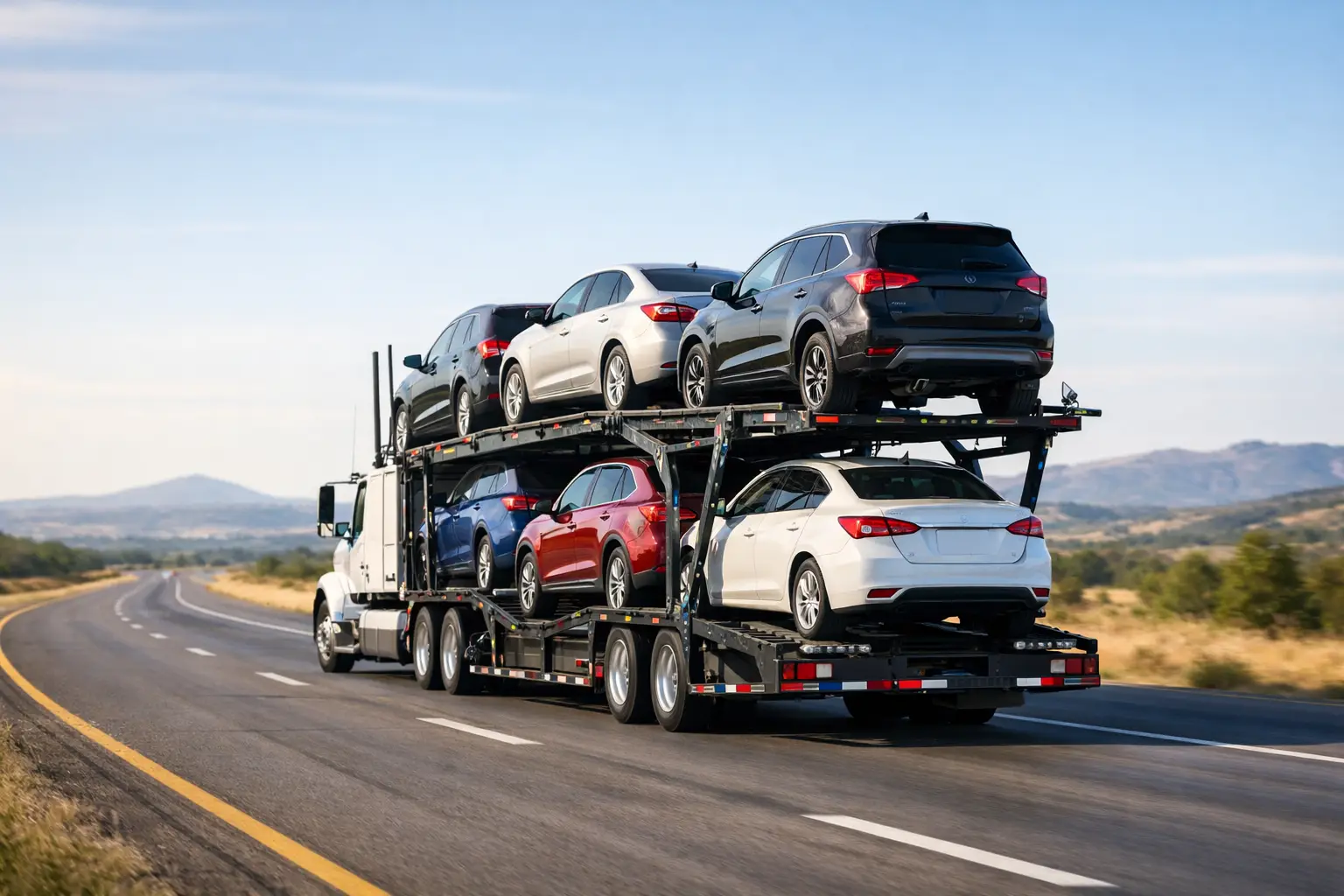
A vehicle can be running perfectly and still need a tow across state lines. Maybe you are relocating from New Orleans, buying a vehicle out of town, sending a college student’s car to campus, or dealing with a breakdown far from home. This guide to long distance car hauling explains what to expect, how to protect your vehicle, and what information helps a towing company plan a safe pickup and delivery.
Long-distance transport is not the same as a quick tow to the nearest repair shop. The truck, trailer, route, securing method, timing, and vehicle condition all matter. A professional hauling provider should make those details clear before your vehicle is loaded.
When Long Distance Car Hauling Makes Sense
Driving the vehicle yourself is not always the best option. A long trip adds mileage, fuel costs, hotel expenses, wear on tires, and the risk of a mechanical issue on the road. If the vehicle is damaged, has an overheating problem, will not start, or is not legally safe to drive, hauling is the responsible choice.
Long-distance car hauling is also useful for classic cars, low-clearance vehicles, motorcycles, cars with flat tires, and vehicles involved in accidents. In these situations, putting more miles on the vehicle may create more damage or turn a manageable repair into a larger bill.
For drivers in the Kenner and New Orleans area, planned hauling can start with a pickup from a home, apartment complex, repair facility, dealership, storage lot, or roadside location. The key is giving dispatch accurate details so the right equipment arrives the first time.
Open vs. Enclosed Transport: Choose for the Vehicle
Most standard cars, trucks, and SUVs can be moved safely on an open flatbed or vehicle trailer. Open hauling is generally the more practical and cost-conscious option for a daily driver. The vehicle is secured for transport, but it remains exposed to normal weather, road dust, and conditions encountered during the trip.
Enclosed transport gives a vehicle greater protection from weather and road debris. It may be worth considering for a collector car, luxury vehicle, restored classic, custom build, or vehicle with a high-value finish. The trade-off is cost and availability. Enclosed equipment is not necessary for every vehicle, but it can provide extra peace of mind when the vehicle’s condition or value justifies it.
A flatbed is often the safest choice for inoperable, damaged, all-wheel-drive, or low-clearance vehicles. Rather than dragging the vehicle behind a tow truck, the operator loads it onto a level platform and secures it for the trip. This helps prevent unnecessary stress on tires, suspension components, drivetrain parts, and body panels.
What Affects the Cost of Long-Distance Hauling?
A quote should reflect the actual needs of the job, not a vague estimate that changes after the vehicle is loaded. Distance is a major factor, but it is only one part of the price.
Your cost can also depend on the vehicle’s size and weight, whether it runs and rolls, pickup and delivery access, the type of transport needed, tolls, and the urgency of the move. A full-size truck or SUV may require different equipment than a compact sedan. A vehicle with locked wheels, missing tires, collision damage, or a dead battery can take longer to load safely.
Timing matters too. A scheduled transport with flexible pickup and delivery dates may be easier to arrange than an immediate after-hours recovery. That does not mean you should wait during an emergency. It means clear communication about your deadline helps dispatch recommend the right service level.
Before agreeing to service, provide the year, make, model, and current condition of the vehicle. State whether it starts, shifts into neutral, rolls freely, has keys available, and has any damage that affects loading. Ask what is included in the quote and whether there are likely extra charges for special recovery, difficult access, or non-running condition.
Guide to Long Distance Car Hauling Preparation
A few minutes of preparation can prevent delays at pickup and make delivery easier. You do not need to be a vehicle expert, but the transport operator needs enough information to handle the vehicle correctly.
First, remove personal valuables, important documents, electronics, cash, and loose items from the interior. Towing and hauling companies are focused on transporting the vehicle itself, not its contents. Heavy or unsecured items can move during transit and damage the cabin.
Next, take clear photos of the vehicle from every side. Include close-up photos of existing dents, scratches, broken glass, low bumpers, and wheel damage. This is a simple record of the vehicle’s condition before loading. It also helps you inspect the car confidently when it arrives.
Keep enough fuel in the tank for loading and unloading, but do not fill it up. A low fuel level reduces weight and is generally safer for transport. If the vehicle has an alarm, aftermarket immobilizer, special starting procedure, air suspension, or known mechanical issue, tell the operator before pickup.
Use this quick checklist before the truck arrives:
- Have the keys available and confirm the vehicle can be accessed.
- Remove valuables and loose personal belongings.
- Photograph the exterior and note existing damage.
- Make sure the operator has the correct pickup and delivery addresses.
- Share gate codes, apartment access details, repair shop hours, and a working contact number.
If you will not be present at either location, designate someone who can release or receive the vehicle. That person should understand the delivery plan and be authorized to sign any required paperwork.
Safe Loading and Secure Transport
Safe hauling starts before the vehicle leaves the ground. A trained operator checks the vehicle’s condition, loading angle, clearance, wheel position, and the best securement points. Improper hooks, chains, or straps can damage suspension components, bumpers, body panels, or undercarriage parts.
For many vehicles, wheel straps are the preferred securement method because they hold the tires in place without placing unnecessary pressure on sensitive components. The exact method depends on the vehicle and the equipment being used. A qualified operator will adjust the process for low-profile cars, damaged vehicles, trucks, motorcycles, and vehicles that cannot roll normally.
Do not try to push a disabled vehicle into traffic or onto a trailer yourself. If the car is in a dangerous location, stay away from moving traffic, turn on hazard lights if possible, and wait in a safe place. Tell dispatch about the shoulder conditions, traffic direction, flooding, soft ground, parking garage clearance, or any obstacle that could affect loading.
Licensed and insured towing matters on a long trip because your vehicle spends more time in transit and may travel through unfamiliar areas. Ask the company whether it has the proper equipment and experience for your vehicle type. Price is part of the decision, but the cheapest option is not always the safest one when improper handling could cause expensive damage.
Pickup, Tracking, and Delivery Expectations
Reliable communication reduces stress. At booking, confirm the pickup window, destination, primary contact, alternate contact, and any time restrictions. If the delivery location cannot accommodate a large tow truck or trailer, arrange a nearby safe meeting point with enough room to unload.
Weather, traffic, road closures, and mechanical safety checks can affect an exact arrival time on a long haul. A professional provider should keep you informed if the schedule changes. You should also know who to call if the receiving person needs to adjust access instructions.
At delivery, inspect the vehicle before accepting it. Compare its condition with the photos you took at pickup. Check the body, wheels, windows, mirrors, and obvious low-clearance areas. If you notice a concern, document it immediately and discuss it with the operator before the job is closed.
Get the Right Truck for the Job
The best long-distance haul is the one planned around your actual vehicle and situation. A running sedan being moved to a new home has different needs than an accident-damaged SUV, a motorcycle, or a low-clearance classic car. Give dispatch the full picture so it can send the right truck, trailer, and trained operator.
Zain Towing LLC provides licensed, insured long-distance hauling and 24/7 towing support for drivers in Kenner and the New Orleans area. When a vehicle cannot safely make the trip on its own, request a quote with the pickup location, destination, vehicle details, and condition. A clear plan at the start helps protect your vehicle all the way to delivery.
Need help right now?
Zain Towing runs 24/7 in Kenner, New Orleans, Metairie, Harahan and Gretna. Call (504) 666-9099 or see our towing service, roadside assistance and New Orleans pages.