
A Guide to Long Distance Towing
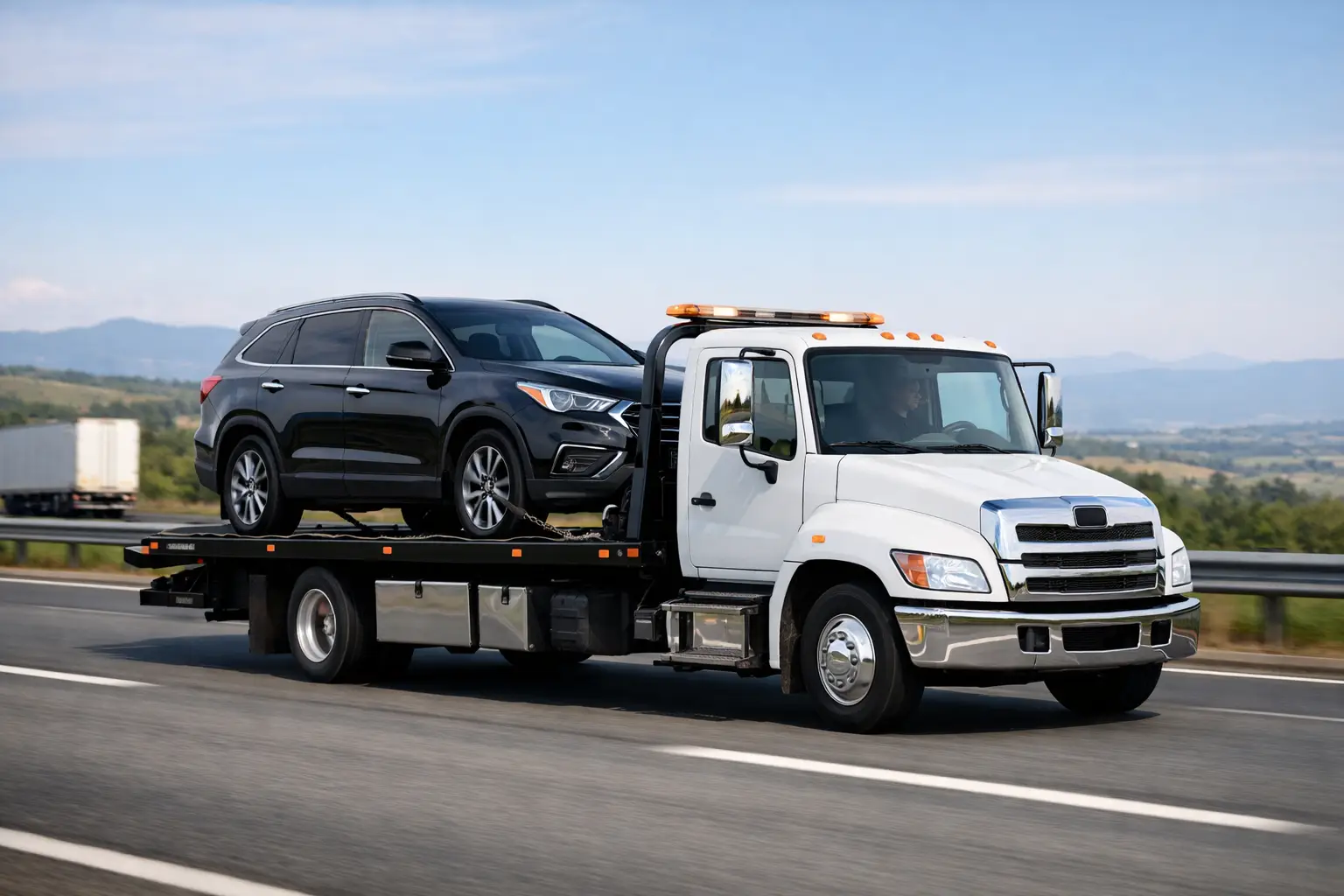
A breakdown on I-10 at midnight feels different when the destination is two exits away versus two states away. If you are comparing providers, this guide to long distance towing will help you make fast, informed decisions without risking extra damage, surprise fees, or avoidable delays.
What long distance towing really involves
Long distance towing is not just local towing with a bigger invoice. The farther a vehicle travels, the more planning matters. Route selection, equipment choice, vehicle condition, weight, clearance, loading method, and delivery timing all affect safety and price.
For most drivers, the biggest mistake is assuming any tow truck can handle any long-haul move. That is not always true. A compact sedan being moved on a flatbed is one thing. An SUV with suspension damage, a pickup, a motorcycle, or a specialty vehicle may require a different setup and a more experienced operator.
If your vehicle has been in an accident, has locked wheels, leaks fluid, or cannot shift into neutral, say that up front. Those details change the type of truck and tools needed. Clear information at dispatch helps avoid delays and protects the vehicle from improper loading.
A guide to long distance towing costs
Price is usually based on distance, vehicle type, vehicle condition, and the equipment required. Timing matters too. A planned daytime transport is often more straightforward than an urgent overnight tow from the shoulder of a busy highway.
Drivers often ask for a price per mile, but that only tells part of the story. A long distance tow quote may also reflect winching, recovery, tolls, difficult pickup access, after-hours dispatch, or whether the vehicle must be handled on a flatbed. If the vehicle is oversized or non-running, the rate can increase because loading takes longer and requires more care.
The best move is to ask for a clear quote based on your exact situation. Give the year, make, model, current condition, pickup address, and destination. If you have photos, keep them ready. Accurate details lead to accurate pricing.
When a flatbed is the better choice
For long distance hauling, flatbed towing is often the safest option. It keeps all four wheels off the road, reduces wear during transport, and gives the operator better control over securement. That matters even more on long trips where road vibration, weather, and traffic can add stress to the vehicle.
Flatbeds are especially useful for all-wheel drive vehicles, luxury cars, motorcycles, low-clearance vehicles, and vehicles with damage. They also help protect cars that should not be towed with two wheels on the ground. It is not that wheel-lift towing never works. It is that long-distance transport leaves less room for shortcuts.
If you are not sure which method your vehicle needs, ask directly. A dependable towing company should explain why one setup is safer than another, not just send whatever truck is available.
How to prepare your vehicle before transport
If the move is planned and the vehicle is accessible, a little prep makes the tow smoother. Remove personal valuables, important documents, loose electronics, and anything that could shift inside the cabin. Keep the registration and keys ready unless the vehicle cannot be unlocked or started.
Take current photos of the exterior before pickup. This is a smart step for any transport, especially if the vehicle already has body damage. It creates a clear record and reduces confusion later.
You should also mention any mechanical issues that affect loading, including a dead battery, missing tire, broken steering, or lowered suspension. Those are not deal-breakers, but they do affect the equipment and time needed on scene.
If you are transporting a motorcycle, RV, truck, or boat, say that immediately when requesting service. Size and weight determine truck selection. The right match protects both your vehicle and the tow itself.
What to ask before you book
When you need a tow fast, it is easy to focus only on arrival time. Speed matters, but so does how your vehicle will be handled once the truck gets there.
Ask if the company is licensed and insured. Ask what type of truck will be dispatched. Ask whether the operator has the equipment for your vehicle’s condition. If your vehicle is going a long distance, confirm the delivery location, timing expectations, and whether there are any added charges for special handling.
A professional company should be able to give direct answers without making the process harder. You should not have to guess what service you are getting or whether your car is protected during transport.
Emergency towing versus scheduled long-haul transport
Not every long distance tow starts as an emergency, but many do. A sudden breakdown, collision, overheating issue, or transmission failure can leave you stranded far from home. In that situation, you need two things at once: fast local response and a safe plan for the longer move.
That is where dispatch matters. A company serving the Kenner and New Orleans area should be ready to act quickly, assess the vehicle condition, and send the proper truck without wasting time. If the goal is to move the vehicle across Louisiana or beyond, the provider should be thinking past the pickup and planning for secure delivery from the start.
For scheduled transport, you have a little more flexibility. You can compare timing, ask more questions, and arrange the best pickup window. Even then, professionalism still matters. Long-distance vehicle transport should never feel improvised.
Common situations where drivers need long distance towing
Some people think long-distance towing is only for severe breakdowns. In reality, it is often the best solution in everyday situations. You may need to move a non-running vehicle to a repair shop in another city. You may be relocating and need a second vehicle hauled safely. You may have purchased a car, motorcycle, or truck that cannot be driven yet.
It is also common after an accident. If your preferred body shop or mechanic is not nearby, towing the vehicle there may be the safer and more practical option. The same goes for classic cars, project vehicles, and vehicles that are not road-ready.
For travelers passing through South Louisiana, a long distance tow can be the difference between being stuck and getting the vehicle where it needs to go without adding more risk.
Red flags to avoid
A low quote that sounds too good can cost more later. If a company is vague about insurance, truck type, or extra fees, be careful. Long distance towing requires planning and accountability. You want clear communication from the first call.
Another red flag is a provider that does not ask enough questions. If no one asks about the vehicle’s condition, damage, drivetrain, or destination, they may not be preparing properly. Good towing starts with good dispatch.
You should also be cautious if the company cannot explain how the vehicle will be secured. Professional operators know that damage prevention is part of the service, not an add-on.
Why local knowledge still matters on a long tow
Even when the trip is long, local experience at pickup matters. Busy roads, tight parking lots, low-clearance areas, event traffic, and weather can all affect how quickly and safely a vehicle is loaded. In places like Kenner and New Orleans, that local knowledge helps avoid delays during the most time-sensitive part of the job.
A provider like Zain Towing LLC understands that long distance towing starts with a clean pickup. Fast dispatch, trained operators, and the right equipment make a real difference when a driver is already under stress.
The right tow is the one that protects the vehicle
A long-distance move should not add wear, create new damage, or leave you guessing about the next step. The right towing company will focus on secure handling, accurate quoting, and a clear plan from pickup to drop-off.
If you need help now, keep it simple. Have your location, destination, vehicle details, and condition ready when you call. The faster you give clear information, the faster the right truck can be dispatched - and the sooner your vehicle can be moved safely where it needs to go.
Need help right now?
Zain Towing runs 24/7 in Kenner, New Orleans, Metairie, Harahan and Gretna. Call (504) 666-9099 or see our towing service, roadside assistance and New Orleans pages.