Guide to Medium Duty Towing
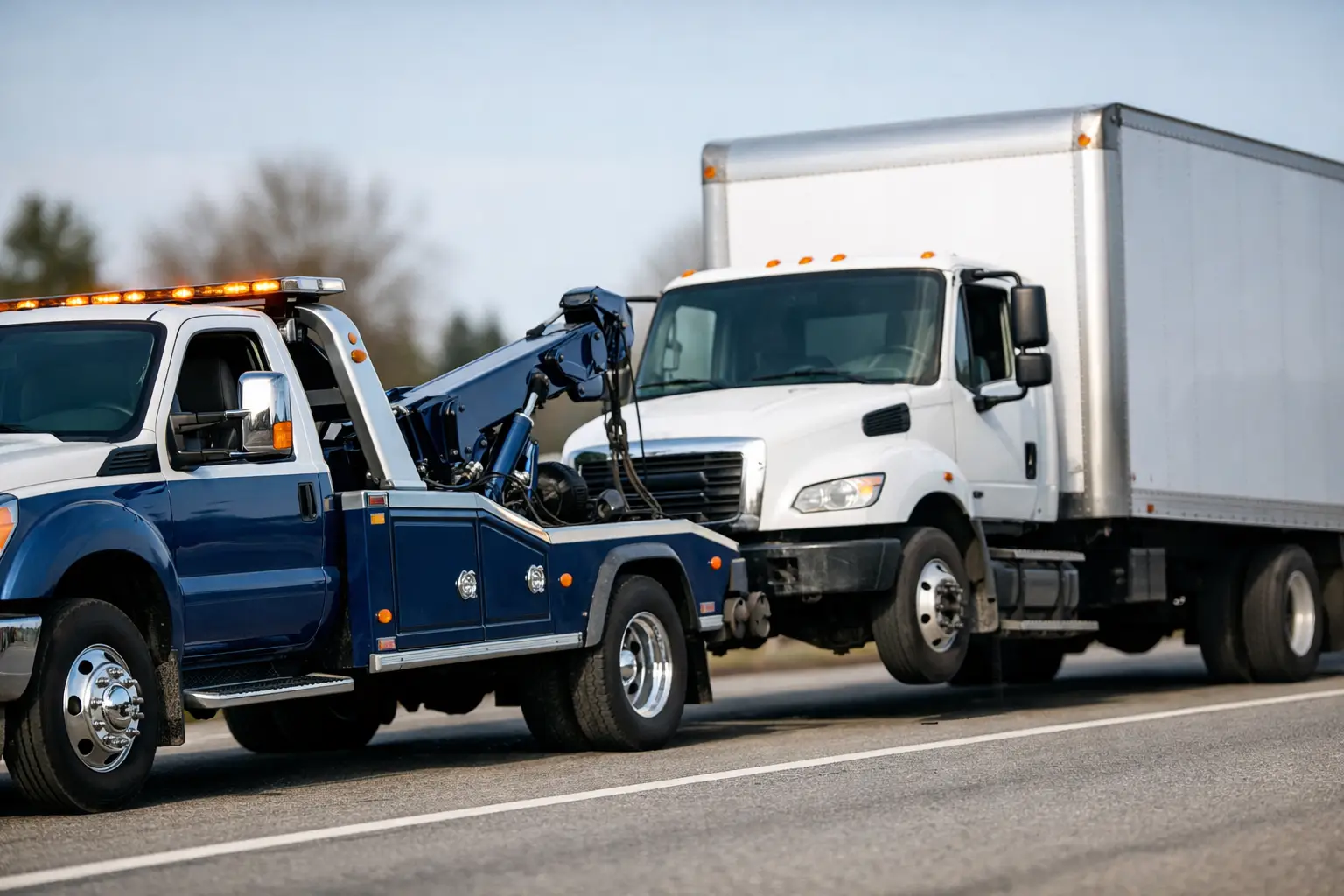
A box truck breaks down on I-10, a loaded work van loses a wheel bearing in Kenner, or an RV stalls before making it across town. That is where a guide to medium duty towing matters. If your vehicle is too large for a standard tow truck but does not require a full heavy-duty wrecker, the right response is medium-duty towing with the proper equipment, trained operators, and secure handling from pickup to drop-off.
For most drivers, this is not something you think about until you are stuck on the shoulder, blocking a driveway, or stranded in a parking lot after hours. When that happens, speed matters, but so does sending the right truck the first time. A fast dispatch only helps if the tow provider can safely handle your vehicle’s size, weight, and condition.
What medium-duty towing actually means
Medium-duty towing sits between standard passenger vehicle towing and heavy-duty recovery. It usually applies to vehicles that are larger, longer, heavier, or built for commercial use, but still do not rise to the level of a semi-truck or large bus. Think utility vans, cargo vans, pickup trucks with equipment, small box trucks, step vans, RVs, shuttle vans, and some fleet vehicles.
The exact cutoff depends on the vehicle’s weight, wheelbase, ground clearance, and the way it must be lifted or loaded. That is why two vehicles that look similar may need different towing methods. A one-ton pickup with a service body and tools in the back creates a different job than an empty pickup used for personal driving.
This is also where experience counts. Medium-duty towing is not just about having a bigger truck. The operator needs to know how to balance the load, protect the drivetrain, account for cargo, and avoid damage during hookup, transport, and unloading.
When you need medium-duty towing
If you are unsure whether your vehicle qualifies, the safest move is to describe it clearly when you call. In many cases, medium-duty towing is the right choice when a vehicle is too large or heavy for a light-duty tow setup, or when extra clearance and stability are needed during transport.
Common situations include breakdowns, accidents, engine failure, overheating, transmission problems, flat tires on larger vehicles, no-start conditions, steering or suspension issues, and planned transport from one site to another. Medium-duty service is also common for commercial fleets that need a disabled vehicle moved without delay.
For drivers around New Orleans and Kenner, road conditions and traffic can make a bad situation worse quickly. A disabled work truck on a busy route is not just inconvenient. It can affect schedules, customers, cargo, and safety. In those moments, getting the right tow truck dispatched right away is the priority.
Vehicles commonly covered in a guide to medium duty towing
A practical guide to medium duty towing should make one thing clear: this service covers a wide range of vehicles. It is not limited to commercial trucks.
Medium-duty towing often applies to larger pickups, contractor trucks, cargo vans, step vans, sprinter vans, shuttle vans, small buses, RVs, motorhomes, cube trucks, and work vehicles carrying tools or equipment. Some boats on trailers and specialty vehicles may also fall into this category depending on size and total weight.
That said, the vehicle type alone does not decide the job. A pickup with trailer attachments, custom suspension, or accident damage may require different equipment than a similar model in running condition. That is why a professional dispatcher will ask what happened, where the vehicle is located, whether it rolls freely, and where it needs to go.
How medium-duty towing works
The process starts with accurate dispatch. The tow company needs the vehicle year, make, model, condition, and location. If there has been an accident, the operator may also need to know whether the vehicle is off the road, in a ditch, blocking traffic, or damaged in a way that affects loading.
Once the right truck is assigned, the operator arrives with equipment suited to the vehicle. Depending on the situation, that may involve wheel-lift towing, flatbed transport, winching, dollies, or specialized securement points. The goal is always the same - move the vehicle safely without causing additional damage.
This is where shortcuts can get expensive. Using the wrong angle, the wrong straps, or the wrong towing method can damage bumpers, driveline components, steering parts, and undercarriage systems. For larger vehicles, the margin for error is smaller because of the extra weight and length involved.
Professional medium-duty towing also includes route awareness. Low clearances, tight turns, traffic congestion, and destination access all matter, especially with RVs, service trucks, and commercial vans. A trained operator plans for those factors before the vehicle is fully loaded and moving.
Flatbed vs. wheel-lift for medium-duty vehicles
Drivers often ask which option is better. The honest answer is that it depends on the vehicle and the reason for the tow.
Flatbed towing is often the best choice when full vehicle support is needed, when the vehicle has severe damage, or when ground clearance is a concern. It keeps all wheels off the road and can reduce wear during transport. For certain vans, trucks, and specialty vehicles, it is the safer option.
Wheel-lift towing can be effective for some medium-duty jobs when the vehicle configuration allows it and the transport distance makes sense. It can also be faster in certain roadside situations. But it is not the best fit for every vehicle, especially if there is drivetrain damage, accident damage, or unusual weight distribution.
A reliable tow company does not force one method into every job. It sends the setup that protects the vehicle and fits the situation.
What to ask when you call for service
When you need help fast, you do not want a long checklist. Still, a few details can help dispatch send the right truck without delay.
Be ready to share your exact location, the type of vehicle, whether it is loaded, what went wrong, and where the vehicle needs to go. If the vehicle is stuck in a garage, soft ground, a narrow lot, or a high-traffic area, say that up front. If the steering is locked, a wheel is missing, or the vehicle will not roll, mention that too.
You should also ask whether the company is licensed and insured, whether the operators are trained for medium-duty towing, and what kind of arrival time you can expect. In a stressful roadside situation, clear answers matter. You want to know that the company can handle the vehicle safely, not just show up quickly.
Why local response matters in Kenner and New Orleans
In this area, timing is not a small detail. Traffic, heat, storms, and road congestion can turn a breakdown into a bigger problem fast. A local company with 24/7 dispatch knows the road network, common bottlenecks, and how to reach drivers quickly when minutes count.
That local knowledge also helps with destination planning. Moving a disabled van to a repair shop, storage yard, job site, dealership, or home address can involve access issues that out-of-area operators may not anticipate. Fast and friendly service matters, but so does knowing how to get a larger vehicle in and out without wasting time.
For that reason, many drivers prefer a provider that is built for rapid response and secure transport, not a call center that is guessing from a distance. Zain Towing LLC focuses on that kind of local, insured, around-the-clock service.
The biggest mistake drivers make
The most common mistake is assuming any tow truck can handle any vehicle. That is how delays happen, and sometimes damage too. If the wrong truck arrives, you lose time waiting for a second dispatch. In a breakdown, crash, or roadside emergency, that is the last thing you need.
The better move is simple. Tell dispatch exactly what you are driving and what condition it is in. If you are not sure what details matter, send a photo if requested and let the towing company make the call on equipment. Good dispatch is part of good towing.
What good medium-duty towing should feel like
It should feel organized, clear, and safe. You call, the dispatcher asks the right questions, the right truck arrives, and the operator handles the vehicle with care. You should not be left guessing about what happens next.
That matters whether you are a commuter with an oversized pickup, a family traveling in an RV, or a business owner trying to move a downed work van without losing the day. Medium-duty towing is not just about moving a vehicle. It is about reducing risk, preventing extra damage, and getting you from roadside stress to a secure destination with as little friction as possible.
If you ever need it, the best step is the simplest one - call early, give accurate vehicle details, and choose a company that treats speed and safe handling as equally important.
Need help right now?
Zain Towing runs 24/7 in Kenner, New Orleans, Metairie, Harahan and Gretna. Call (504) 666-9099 or see our towing service, roadside assistance and New Orleans pages.