
Guide to Vehicle Recovery Services
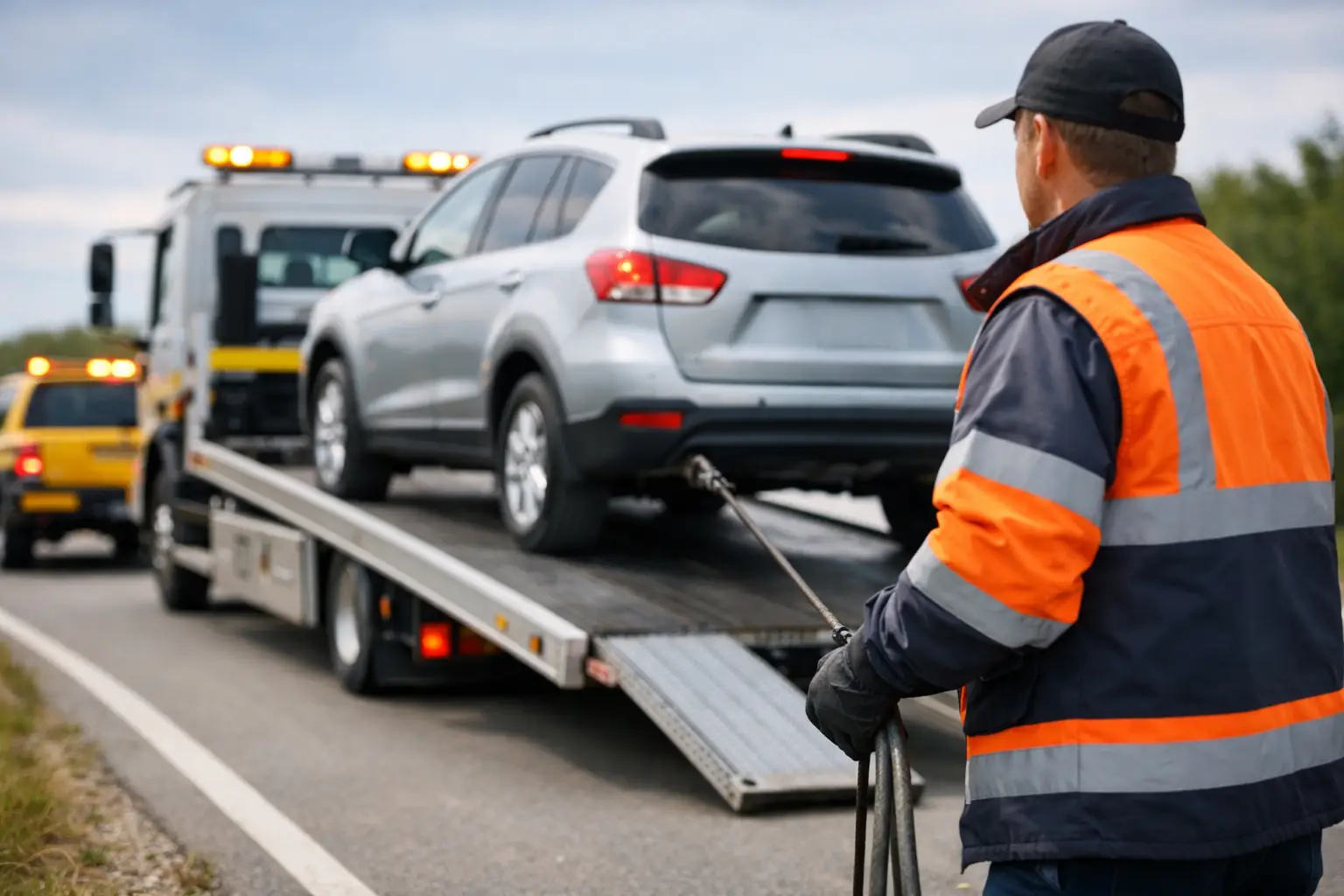
A dead battery in a grocery store parking lot is one kind of problem. A disabled SUV on the shoulder during New Orleans traffic is another. This guide to vehicle recovery services is built for drivers who need clear answers fast - what recovery actually means, when to call, and how to get your vehicle moved safely without adding more stress or damage.
Most people use the word towing for everything, but recovery services can involve much more than hooking up a car and driving away. If your vehicle is stuck, disabled after an accident, won’t start, has a flat in an unsafe spot, or needs secure transport to a repair shop, the right dispatch matters. The truck, equipment, and operator should match the vehicle and the situation.
What vehicle recovery services actually include
Vehicle recovery services cover the work required to get a disabled, stranded, or hard-to-move vehicle from problem to safe transport. Sometimes that means a standard tow from the roadside to a mechanic. Sometimes it means flatbed loading for a low-clearance vehicle, winching a car out of mud, or responding to an accident scene where safe handling is the top priority.
Roadside assistance can also be part of recovery. If the issue is a lockout, dead battery, flat tire, or minor mechanical problem, a professional operator may be able to help on-site and get you back on the road without a full tow. That is often the fastest and most affordable option, but it depends on where the vehicle is, how severe the issue is, and whether the vehicle can be safely driven after service.
For local drivers around Kenner and New Orleans, timing matters as much as the service itself. A vehicle stopped in a travel lane, parking lot entrance, shoulder, bridge approach, or flood-prone area needs immediate attention. In those cases, speed and safe scene management are not extras. They are the service.
When to call for recovery instead of waiting it out
If your vehicle will not move under its own power, recovery is the right call. That sounds obvious, but many drivers lose time hoping the problem will clear up, trying repeated restarts, or waiting on informal help that never arrives. A delay can make traffic risk worse, drain the battery further, or turn a simple roadside issue into a larger repair.
Call right away if the vehicle was in a collision, is leaking fluid, has steering or brake trouble, overheated badly, suffered tire damage in an unsafe location, or is stuck off-road or on soft ground. You should also call if you are stranded at night, in severe weather, with children in the car, or in any location where standing outside the vehicle feels unsafe.
There is also a less urgent side of recovery services that many drivers overlook. Planned transport for a non-running car, a project vehicle, a motorcycle, an SUV, or even a light truck still requires proper loading and secure handling. In that situation, the focus shifts from emergency speed to scheduling, equipment fit, and damage prevention.
A practical guide to vehicle recovery services by situation
The type of problem usually determines the response. A straightforward breakdown may only need light-duty towing. A vehicle with suspension damage or low ground clearance may be better on a flatbed. A truck, van, or heavier SUV may need medium-duty equipment. If the vehicle is stuck in mud, a ditch, or a tight space, recovery may involve winching before towing even begins.
Accident recovery is its own category. After a collision, the goal is not just removal. It is controlled loading, secure transport, and reducing the chance of further damage. This is where trained operators, the right equipment, and insured service make a real difference.
Roadside service is often the first step when the problem might be fixable on-site. A jump-start, lockout response, or tire change can save time and money. But if the vehicle still cannot be safely operated, the job should transition to a tow without forcing you to start over with another provider.
What happens when you call
A good recovery call should feel simple, even if your situation is not. Dispatch will usually ask for your exact location, vehicle type, what happened, and where the vehicle needs to go. If you are in an accident or hazardous location, mention that first. It helps the company prioritize the call and send the right truck.
Be ready to share whether the vehicle is front-wheel drive, rear-wheel drive, all-wheel drive, lowered, oversized, loaded with cargo, or visibly damaged. Those details affect how the vehicle is recovered and what equipment should be used. If you do not know, describe what you can. A professional dispatcher can usually work from the basics.
You should also ask about arrival time, pricing, and what service is likely needed. Clear communication matters. The best providers do not leave you guessing about whether help is actually on the way.
How to choose the right recovery company
When you are stranded, it is easy to focus only on who can get there fastest. Speed matters, but it should come with professionalism. A licensed and insured towing company with trained operators protects you in ways a random cheap option does not. Your vehicle may already be at risk. The company responding should reduce risk, not add to it.
Look for 24/7 availability, clear dispatch communication, and equipment that matches your vehicle. Ask whether they handle light-duty and medium-duty jobs, whether flatbed service is available, and whether they can manage both roadside assistance and towing. That flexibility saves time when the problem changes after the operator arrives.
Local knowledge also helps. In busy areas like Kenner and New Orleans, response time is not just about distance. It is about knowing routes, traffic pressure points, and how to reach drivers quickly in parking decks, neighborhoods, highways, and event-heavy corridors.
Cost, timing, and what affects both
Recovery pricing depends on the service type, distance, vehicle size, condition, and location. A simple local tow usually costs less than accident recovery, winching, or long-distance hauling. Night calls, difficult access points, oversized vehicles, and weather conditions can also affect the total.
The cheapest quote is not always the best value. If a provider sends the wrong truck, arrives unprepared, or handles the vehicle carelessly, the final cost can be much higher in delays or damage. Fast, correct dispatch is worth paying for when your car, truck, SUV, RV, motorcycle, or boat needs secure transport.
Timing works the same way. A short ETA is ideal, but accuracy matters too. If a company tells you less than 30 minutes and keeps you updated, that is far better than a vague promise with no communication. Drivers under stress need real information, not guesswork.
How to prepare while waiting for recovery
If you are in a safe place, stay with the vehicle unless conditions make that dangerous. Turn on hazard lights. If you have warning triangles or flares and it is safe to place them, use them. Move yourself and passengers away from traffic whenever possible.
Keep your phone charged and stay available for dispatcher or operator updates. Gather your destination details, insurance information if relevant, and anything valuable you need from the vehicle. If the car is being towed to a shop after hours, make sure the drop-off instructions are clear.
Do not try to let an unqualified person tow your vehicle with improvised equipment. Modern vehicles can be damaged easily by incorrect attachment points or loading methods. What looks like a quick fix can create suspension, bumper, drivetrain, or underbody damage that costs much more than professional service.
Why safe handling matters more than most drivers realize
Recovery is not just about getting a vehicle from point A to point B. It is about doing it without causing new problems. That is especially true after collisions, for all-wheel-drive vehicles, for low-clearance cars, and for any vehicle with existing wheel or frame damage.
Secure loading, proper tie-downs, and the correct tow method are what separate professional recovery from risky transport. This is why many local drivers choose a provider like Zain Towing LLC when they need 24/7 response, trained operators, and insured service focused on safe handling from pickup to delivery.
The best recovery experience is the one that lowers your stress right away. You call, get a clear answer, receive the right truck, and know your vehicle is being handled correctly. When something goes wrong on the road, that kind of response is not a luxury. It is exactly what gets you through the next hour with less risk and a lot more confidence.
If you ever need recovery, keep it simple: prioritize safety, give dispatch accurate details, and choose a company that can respond quickly and transport your vehicle the right way the first time.
Need help right now?
Zain Towing runs 24/7 in Kenner, New Orleans, Metairie, Harahan and Gretna. Call (504) 666-9099 or see our towing service, roadside assistance and New Orleans pages.