How Fast Can Tow Trucks Arrive?
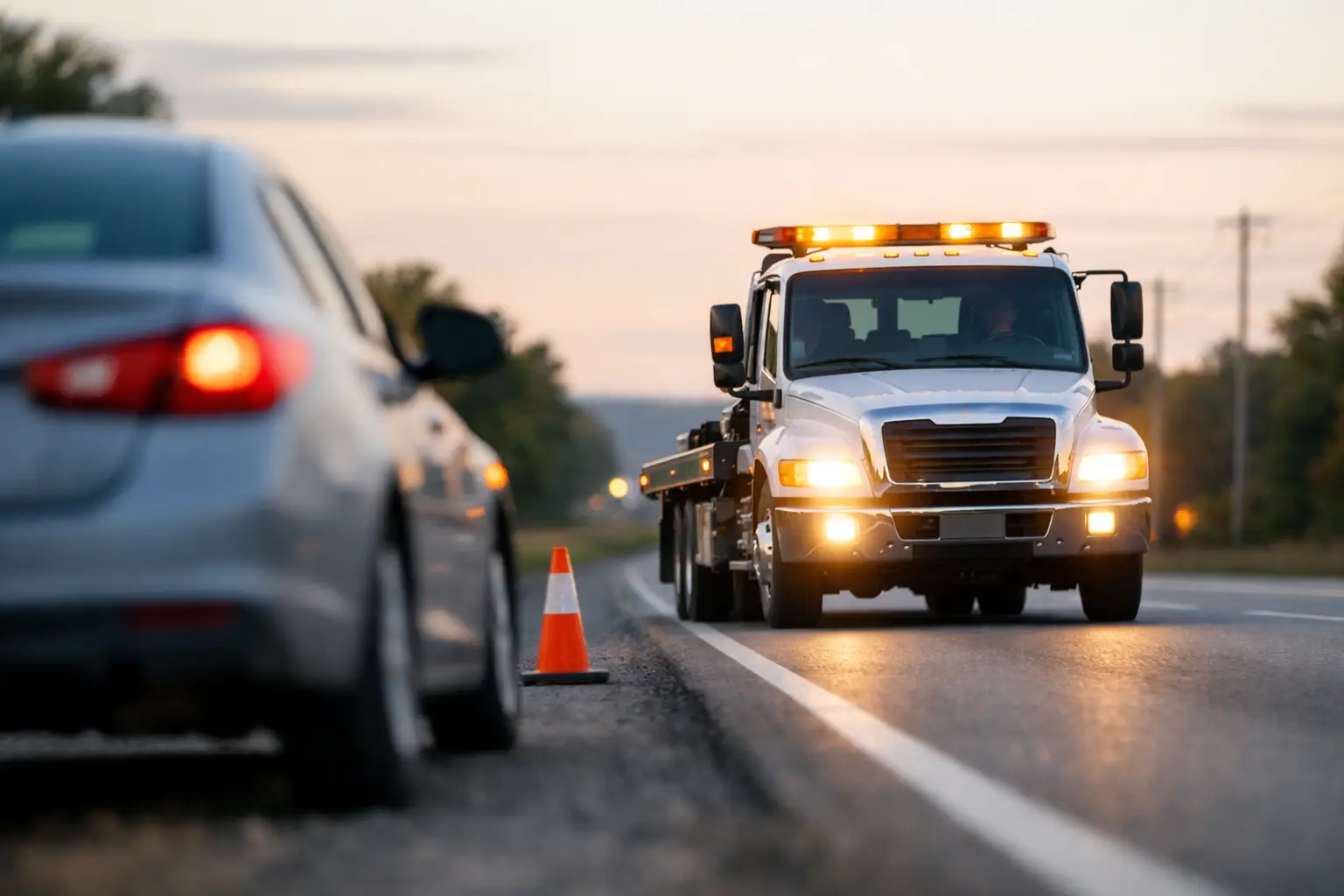
A breakdown on I-10 feels longer than it is. If you're stuck on the shoulder, in a parking lot, or outside your home late at night, one question matters first: how fast can tow trucks arrive? The honest answer is that it depends on your location, traffic, vehicle type, and how busy dispatch is - but in a well-covered local service area, a fast-response company can often reach you much sooner than people expect.
For drivers in Kenner and New Orleans, response time is not just about convenience. It affects your safety, your schedule, and in some cases whether a roadside issue turns into a bigger problem. If your car is blocking traffic, stranded in a flood-prone area, or sitting in an unsafe spot after an accident, every minute counts.
How fast can tow trucks arrive in real conditions?
A realistic tow truck arrival window is often 20 to 45 minutes for local calls, but that range can shift based on conditions on the ground. Some calls are reached faster, especially when a truck is already nearby and the dispatch team has the right equipment ready to send. Other calls take longer when weather is bad, traffic is backed up, or the situation requires a specific type of truck.
That is why experienced towing companies avoid making promises that sound good but ignore reality. A stated goal like less than 30 minutes can be very achievable in many situations, but no professional company should pretend every call is identical. Fast service comes from strong dispatch coverage, trained operators, and a fleet that can handle different vehicle types without delay.
If you are in a dense service area like Kenner or New Orleans, you generally have a better chance of a quicker ETA than someone stranded in a rural zone. Local knowledge matters too. A dispatcher who knows major corridors, neighborhood access points, and traffic patterns can often route the nearest available operator more efficiently.
What affects tow truck response time?
The biggest factor is location. A disabled car in a central area with easy road access is usually faster to reach than a vehicle tucked into a parking garage, side street, or restricted-access property. If your car is on a busy highway shoulder, the tow truck may need to approach carefully or coordinate around traffic conditions.
Traffic is another major variable. In the New Orleans metro area, rush hour congestion, bridge traffic, event traffic, and road construction can all slow arrival times even when the truck is dispatched immediately. A company can move fast on your request and still face delays getting through crowded roads.
Vehicle type also matters. A standard passenger car may only need a light-duty tow truck, while an SUV, work truck, van, or specialty vehicle may require different equipment. If you need a flatbed for damage prevention, all-wheel-drive transport, or a non-running vehicle, dispatch may need to send a specific unit rather than the closest truck on the map.
Weather changes everything. Heavy rain, storms, street flooding, and poor visibility can increase call volume and slow traffic at the same time. In those conditions, more drivers need help and every operator has to work with extra caution. That can lengthen ETAs, but it is also when trained, insured operators matter most.
Why dispatch quality matters as much as distance
People often assume the closest truck automatically means the fastest service. That is not always true. A good dispatch team asks the right questions up front so they can send the right truck the first time.
If the dispatcher knows your exact location, your vehicle type, whether the car is drivable, and whether you need a tow or a roadside service like a jump-start or lockout, they can avoid wasted time. Sending the wrong unit creates delays, especially if the first operator arrives and finds out different equipment is needed.
This is where professional dispatch stands out. The faster you give accurate details, the faster the company can give you a realistic ETA and get the job moving. That is also one reason licensed and insured local providers tend to operate more efficiently - they are built around process, not guesswork.
How fast can tow trucks arrive for roadside help versus a full tow?
Roadside assistance can sometimes be faster than a full tow, depending on the issue. If you need a jump-start, tire change, fuel delivery, or lockout service, dispatch may be able to send a roadside unit or an operator equipped to handle the problem on the spot. That can shorten both arrival time and total time off the road.
A full tow can take a little more coordination, especially if your vehicle has suspension damage, accident-related issues, steering problems, or drivetrain concerns that require careful loading. Flatbed towing is often the safest option in those cases, but it may not always be the closest unit available.
The trade-off is simple. The fastest truck is not always the best truck for your vehicle. If safe loading and secure transport require a specific setup, taking a few extra minutes up front can help prevent damage and avoid a second delay later.
What you can do to speed things up
When you call for service, your information affects how quickly help gets to you. If you can safely do it, be ready with your exact location, the nearest cross street or landmark, your vehicle make and model, and a short description of the problem. Let dispatch know if the vehicle is stuck in gear, has a flat in a difficult spot, was in an accident, or cannot roll freely.
It also helps to say where the vehicle is going. A tow to a repair shop, your home, or another city may require a different routing plan than a short local move. If you are in a parking garage, apartment complex, gated area, or somewhere with low clearance, mention that right away.
Most important, answer your phone after placing the request. If the driver needs clarification and cannot reach you, that can add unnecessary minutes. A quick callback can be the difference between a smooth arrival and a delayed one.
When fast arrival is most realistic
Fast arrival is most realistic when you are in a core service area, the weather is clear, the vehicle is accessible, and dispatch has enough detail to send the right truck immediately. This is exactly why 24/7 local operators with dedicated fleet coverage tend to outperform companies that rely on scattered availability.
In the Kenner and New Orleans area, that local-response model matters. Roads stay busy, weather changes quickly, and drivers need help at all hours, not just during business hours. A company built for emergency dispatch is more likely to have a truck positioned to respond without long wait times.
Zain Towing LLC is structured around that kind of service - fast dispatch, trained operators, and safe handling for light- and medium-duty vehicles. That does not mean every call will have the same ETA, but it does mean the process is designed to get help moving quickly and professionally.
What to expect when you call
A professional towing company should give you more than a vague promise. You should expect a clear service response, questions about your situation, and an ETA based on actual conditions. If the company is licensed, insured, and running a real dispatch operation, they should also explain what type of service is being sent and what comes next.
That clarity matters when you are stressed. You do not want to guess whether help is coming, whether your vehicle can be handled safely, or whether the operator will show up with the right equipment. Speed is important, but confidence in the service matters too.
If you are stranded, the best move is to call as soon as you know you need help. Waiting to see if the problem gets better usually just adds time. The sooner dispatch has your location and vehicle details, the sooner they can assign the right truck and start the clock on getting you safe and back on track.
When people ask how fast can tow trucks arrive, the real answer is this: fast enough to make a bad situation more manageable when you call the right local company, give clear information, and let a professional dispatch team do its job.
Need help right now?
Zain Towing runs 24/7 in Kenner, New Orleans, Metairie, Harahan and Gretna. Call (504) 666-9099 or see our towing service, roadside assistance and New Orleans pages.