
How to Book Vehicle Transport Without Delays
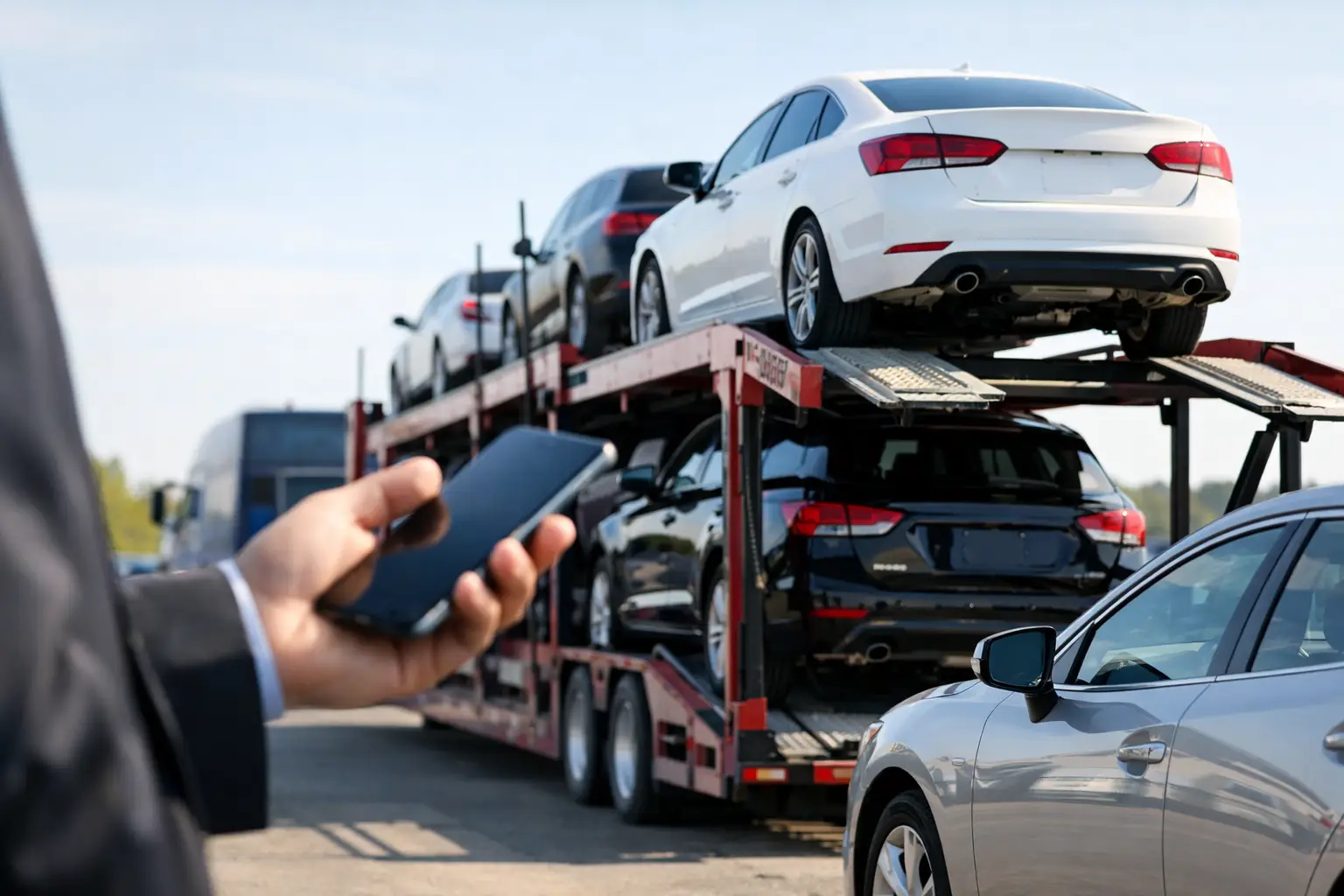
A dead battery in a grocery store lot, a vehicle that will not start before work, or a car that needs to reach a repair shop should not turn into a guessing game. Knowing how to book vehicle transport helps you get the right truck, a clear plan, and safe handling from pickup through delivery. The fastest way to move forward is to have your location, vehicle details, and destination ready before you call or request a quote.
Start With the Vehicle and Location Details
A tow company can dispatch the correct equipment much faster when it knows exactly what needs to be moved. Start with the year, make, model, and color of your vehicle. Tell the dispatcher whether it is a car, SUV, pickup, motorcycle, RV, boat, or another type of vehicle. This is especially important for larger vehicles, modified vehicles, or vehicles with low ground clearance.
Your vehicle's condition matters just as much as its size. Explain whether it starts and rolls, has a flat tire, is stuck in park, has damage from an accident, or is off the road in mud or a ditch. A vehicle with locked wheels or suspension damage may require different loading methods than one that simply will not start.
Next, give a precise pickup location. Street addresses are helpful, but landmarks, cross streets, parking-lot names, gate codes, and mile markers can save time. If you are on a busy New Orleans-area roadway, tell the dispatcher which direction you are traveling and where the vehicle is positioned. Safety comes first, so stay clear of traffic whenever possible and turn on your hazard lights.
Decide Where the Vehicle Needs to Go
Vehicle transport is not always an emergency tow to the nearest repair shop. You may need to move a vehicle home, to a dealership, a body shop, a storage facility, an auction, or another city. Give the complete destination address and make sure the receiving location can accept the vehicle when it arrives.
For repair shops, confirm their hours and after-hours drop-off policy. Ask whether they need keys placed in a drop box, paperwork left with the vehicle, or a specific parking location. If the shop is closed and has no after-hours procedure, transporting the vehicle there may create an unnecessary problem.
Long-distance hauling requires a few extra details. Let the towing company know if you need a delivery time window, if someone else will receive the vehicle, and whether the destination has access restrictions. Narrow driveways, low-clearance garages, apartment complexes, and gated communities can affect where the truck can safely unload.
How to Book Vehicle Transport With the Right Truck
Not every tow is handled the same way. The right equipment protects your vehicle and keeps loading efficient. For many cars, SUVs, motorcycles, and damaged vehicles, a flatbed is often the preferred choice because all four wheels ride off the ground. It can be a smart option for all-wheel-drive vehicles, luxury cars, vehicles with severe mechanical trouble, or cars that should not be driven further.
A standard tow may be appropriate for certain local moves when the vehicle condition allows it. Medium-duty towing may be necessary for larger pickups, vans, commercial vehicles, or heavier loads. The dispatcher will recommend the proper truck based on the information you provide, so be direct about the vehicle's condition instead of trying to diagnose the problem yourself.
If your vehicle is stuck, say so immediately. Recovery work can involve a winch, special positioning, traffic concerns, or extra time to safely access the vehicle. Do not tell the dispatcher the vehicle is simply "parked" if it is down an embankment, wedged in a ditch, or blocked in by other cars. Accurate information prevents avoidable delays and helps protect both your vehicle and the operator.
Confirm Price, Timing, and Service Details
Before the truck is dispatched, ask for a quote or a clear explanation of how the charge is calculated. Pricing may depend on the distance, vehicle type, vehicle condition, required equipment, recovery needs, tolls, and the pickup or destination environment. An easy local tow and an after-hours recovery from a difficult location are not the same service.
You should also ask about the estimated arrival time. A dependable 24/7 provider should give you a realistic dispatch update rather than a vague answer. Traffic, severe weather, major events, and active accident scenes can affect arrival times, but communication should remain clear if conditions change.
Confirm these details before approving service:
- The pickup and delivery addresses
- The vehicle make, model, and condition
- The type of service or truck being sent
- The quoted rate or rate structure
- The expected arrival window
- The payment methods accepted
If you are using roadside assistance coverage, an insurance claim, or a motor club benefit, mention it at the beginning of the call. You may need authorization information, a claim number, or specific instructions before the tow can be processed.
Prepare the Vehicle for Safe Pickup
Once transport is booked, remove valuables, personal documents, medications, electronics, and anything loose from the vehicle. Take photos of the exterior if the vehicle has existing accident damage or you want a record of its condition. This is a practical step for any transport, particularly when a vehicle is being delivered to a shop or moved a longer distance.
Keep the keys available and make sure the towing operator can access the vehicle. If you cannot be present, arrange for a trusted person to meet the driver or provide approved access instructions. Do not leave keys in an obvious location unless the tow company and destination have confirmed a safe handoff process.
Tell the operator about special concerns before loading begins. That includes a broken door handle, low front bumper, aftermarket wheels, a weak parking brake, steering problems, or items that cannot be removed from the vehicle. A trained operator can adjust the loading approach when they know what to expect.
Stay Safe While You Wait
If your vehicle is disabled on a highway, bridge, or busy street, move away from moving traffic if it is safe to do so. Stand in a protected area, such as behind a barrier or well off the roadway. Avoid staying inside a vehicle that is exposed to traffic unless leaving it would create a greater danger.
At night, keep your phone charged if possible and remain aware of your surroundings. Do not accept help from an unverified tow truck that arrives without the company name, dispatch confirmation, or identifying information you were given. A professional operator should be able to verify the service request before loading your vehicle.
For an accident, follow directions from law enforcement and do not interfere with the scene. Ask where the vehicle may be taken and make sure the tow destination matches your instructions. If you are unsure, contact your preferred towing provider directly before authorizing a move when circumstances allow.
When Fast Local Dispatch Matters
For drivers in Kenner and New Orleans, a breakdown rarely happens at a convenient time. Zain Towing LLC provides 24/7 dispatch for local and long-distance vehicle transport, with trained operators, appropriate towing equipment, and licensed, insured service focused on secure handling. Whether you need a flatbed for a disabled SUV, a tow to a repair facility, or transport after an accident, share the details clearly so the right truck can be sent.
Do not wait until the vehicle is already in a difficult position to make the call. Request service as soon as you know you cannot safely drive, keep your pickup details ready, and let a professional handle the transport so you can focus on getting safely to your next stop.
Need help right now?
Zain Towing runs 24/7 in Kenner, New Orleans, Metairie, Harahan and Gretna. Call (504) 666-9099 or see our towing service, roadside assistance and New Orleans pages.