
How to Handle a Dead Battery Roadside
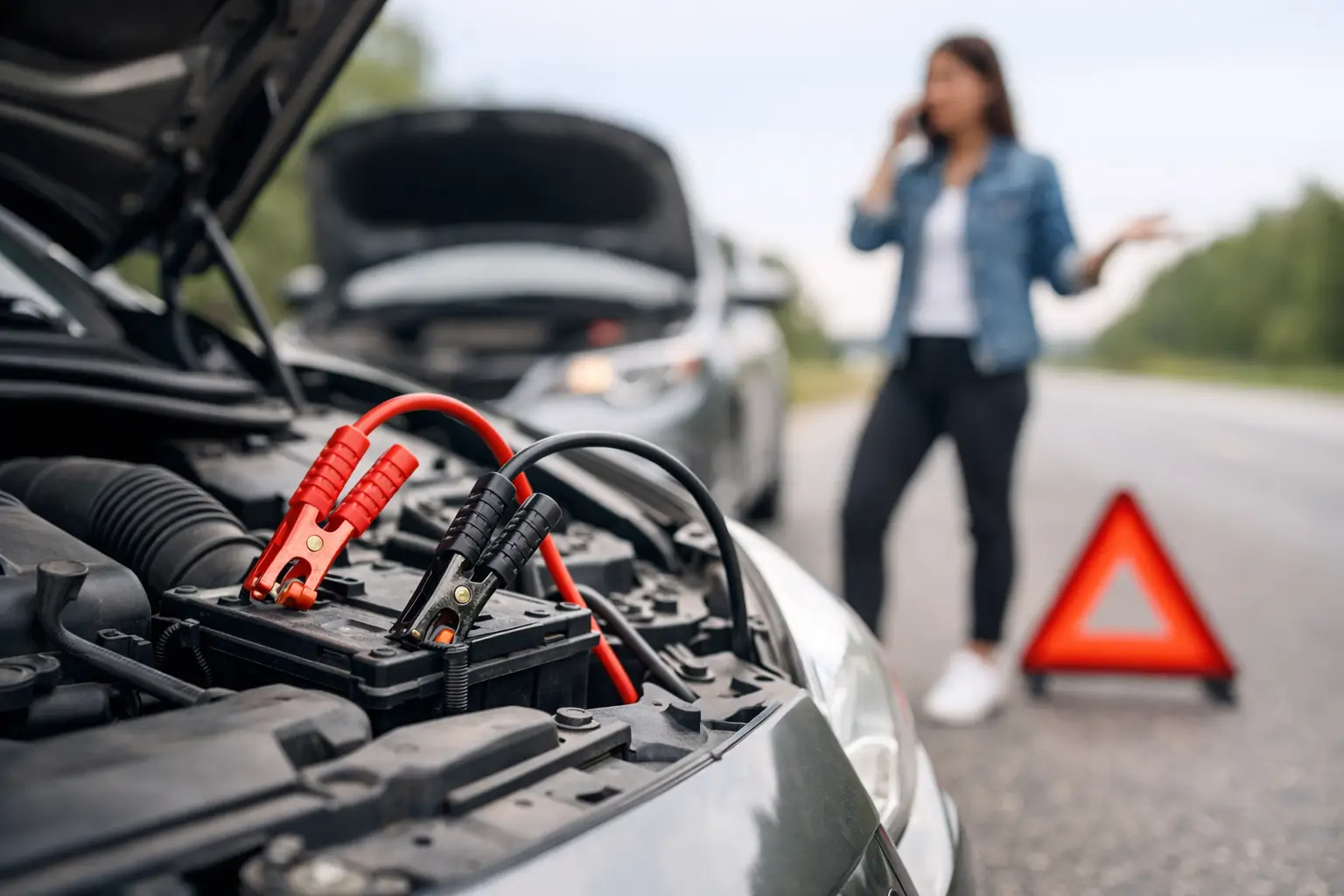
A dead battery never shows up at a convenient time. It hits in a grocery store parking lot, before work, during a late-night stop, or on the shoulder when you are already stressed. If you are wondering how to handle dead battery roadside problems without making things worse, the first priority is simple - stay safe, figure out whether a jump-start is appropriate, and call for professional roadside help if there is any doubt.
How to Handle Dead Battery Roadside Without Risk
Start by looking at where your vehicle is stopped. If you are in a travel lane, on a narrow shoulder, near a blind curve, or in heavy traffic, do not try to fix the problem yourself. Turn on your hazard lights, stay inside if that is safer, and call for roadside assistance right away. A battery issue is manageable. Getting out of the vehicle in an unsafe location is not.
If you are parked in a lot, driveway, garage entrance, or other reasonably safe area, you have more options. Put the vehicle in park, engage the parking brake, turn off all accessories, and make sure everyone is clear of traffic. At that point, you can confirm whether the battery is likely the issue.
Common signs of a dead or weak battery include a clicking sound when you turn the key, dashboard lights that are dim or flickering, a vehicle that will not crank, or electronics that suddenly stop responding. Sometimes the problem is not the battery alone. A failing alternator, loose terminal connection, starter issue, or corroded cables can create similar symptoms. That matters because a jump-start may get the car moving temporarily, but it may not solve the real problem.
Confirm the Problem Before You Try a Jump-Start
Drivers often assume every no-start condition means a dead battery. Sometimes that is true. Sometimes it is not. If the headlights come on bright and steady but the engine still will not crank, the issue could be elsewhere. If the battery case looks swollen, cracked, leaking, or has a strong sulfur smell, do not attempt a jump-start. That battery may be unsafe to handle.
Check the battery terminals if they are easy to access. Heavy white, green, or blue corrosion can interrupt power. Loose cables can do the same. You should not start taking things apart on the roadside unless you know exactly what you are doing, but a quick visual check helps you decide whether professional assistance is the better move.
There is also the question of battery age. Most car batteries last around three to five years, but Louisiana heat can shorten that. If your battery is older and has been slow to start for days or weeks, a jump may only buy you a little time before it fails again.
How to Jump-Start Safely
If the area is safe and you have jumper cables and a second vehicle with a healthy battery, you may be able to get moving. This only makes sense if both vehicles are standard passenger vehicles with compatible systems. If you drive a hybrid, luxury vehicle, diesel truck, or anything with hard-to-access battery placement, the safer choice is often to call a trained roadside operator.
Position the working vehicle close enough for the cables to reach, but do not let the vehicles touch. Turn both vehicles off. Open the hoods and identify the positive and negative battery terminals. The positive terminal is usually marked with a plus sign, and the negative terminal with a minus sign.
Connect the red clamp to the dead battery's positive terminal. Connect the other red clamp to the good battery's positive terminal. Then connect the black clamp to the good battery's negative terminal. The final black clamp should go to an unpainted metal surface on the disabled vehicle, away from the battery if possible. That final connection is important because it helps reduce the chance of sparking near the battery.
Start the working vehicle first and let it run for a minute or two. Then try to start the disabled vehicle. If it starts, do not shut it off right away. Let it run for at least 15 to 30 minutes, or drive it carefully to a repair shop or safe destination where the battery and charging system can be tested.
If it does not start after a couple of attempts, stop there. Repeated attempts can strain the system and point to a different mechanical or electrical issue. That is the time to call for professional roadside assistance.
What Not to Do When Dealing With a Dead Battery
A dead battery situation feels simple until one wrong step turns it into vehicle damage or a safety issue. Never connect the cables in the wrong order on purpose just to "see if it works." Never let the cable clamps touch each other while connected. Never lean directly over a battery when making the final connection. And never try to jump a battery that is visibly damaged.
You also should not keep driving for days assuming the problem is fixed because the car started once. If the alternator is failing, the vehicle may die again while driving. If the battery is near the end of its life, it may leave you stranded at the next stop.
Portable jump packs can help, but they are not foolproof. They need to be charged, used correctly, and matched to the vehicle's needs. They are a good backup tool, but they do not replace proper diagnosis.
When Calling Roadside Help Is the Better Move
Sometimes the smartest answer to how to handle dead battery roadside issues is not DIY at all. If you are alone at night, parked in an unsafe area, unsure about the battery layout, driving a larger vehicle, or simply do not have the right equipment, call for help. Fast response matters, but so does sending the right operator with the right tools.
Professional roadside service is also the better choice if your battery is buried under covers, under a seat, in the trunk, or part of a more complex electrical system. Modern vehicles are not all equally jump-start friendly. What worked on an older sedan may not be the right move on a newer SUV or truck.
A trained operator can do more than just attach cables. They can assess whether the battery is likely the problem, use proper jump equipment, and help determine if the vehicle should be driven, serviced, or towed. That saves time and can prevent further damage.
Dead Battery Roadside Safety in New Orleans Traffic and Weather
Local driving conditions matter. In Kenner and New Orleans, battery trouble often gets worse in extreme heat, sudden weather changes, and stop-and-go traffic. Summer heat is especially hard on batteries, even though many drivers only think about winter failures. Heat speeds up battery wear, evaporates internal fluid, and can shorten lifespan faster than expected.
There is also the roadside environment to think about. Busy roads, narrow shoulders, rain, and low visibility all raise the risk around what should be a minor breakdown. If your vehicle is stopped anywhere that puts you close to moving traffic, the priority is not testing battery theories. The priority is getting help dispatched quickly and staying out of harm's way.
That is why many drivers choose 24/7 roadside service instead of trying to troubleshoot under pressure. Zain Towing LLC responds to dead battery calls with the same focus applied to every roadside situation - fast dispatch, trained help, and safe handling that gets you back on the road or transported without unnecessary delay.
How to Reduce the Chance of Another Battery Failure
Once the immediate problem is handled, take the warning seriously. Batteries rarely fail without giving some signs first. Slow cranking, repeated jump-starts, dim interior lights, or electronics acting strangely are all signs to get the system checked.
Have the battery and alternator tested, especially if the battery is more than a few years old. Keep the terminals clean, make sure lights are fully off when you park, and avoid letting the vehicle sit too long without being driven. If you rely on your vehicle daily for commuting, family trips, rideshare work, or travel, replacing a weak battery before it fails is usually cheaper than losing time on the roadside.
It also helps to keep a basic roadside plan. Know who to call, keep your phone charged, and carry jumper cables if you are comfortable using them. Preparation does not prevent every breakdown, but it does reduce stress when one happens.
A dead battery can feel like a major emergency when you are stuck, late, or dealing with traffic around you. Most of the time, the best next step is not complicated - protect yourself first, avoid risky guesses, and get qualified help when the situation is unsafe or uncertain. A fast, careful response gets you out of the breakdown and back to your day with less hassle.
Need help right now?
Zain Towing runs 24/7 in Kenner, New Orleans, Metairie, Harahan and Gretna. Call (504) 666-9099 or see our towing service, roadside assistance and New Orleans pages.