
How to Handle Car Lockout Without Damaging Your Car
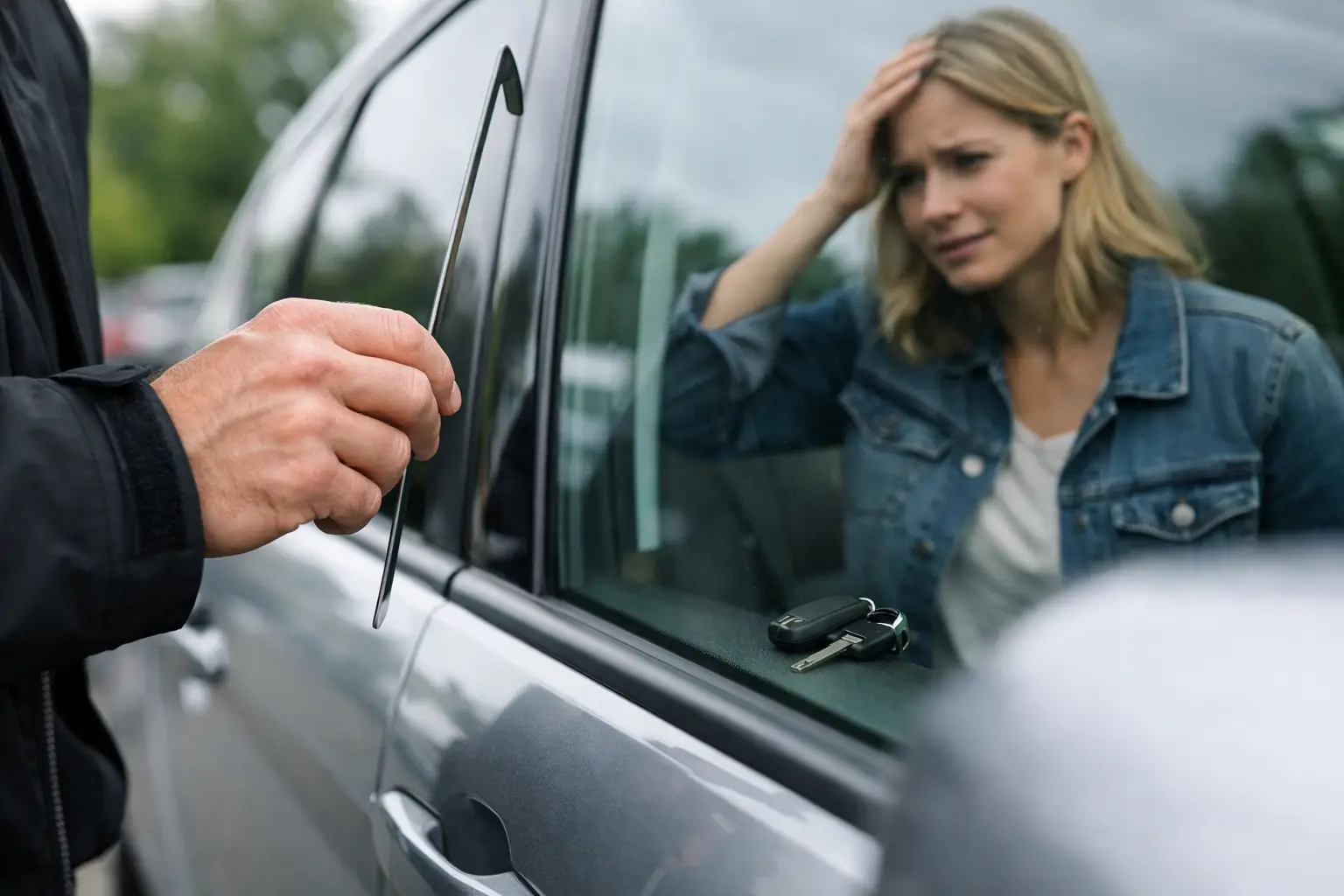
That sinking feeling when you see your keys through the window is real, especially when you are parked at work, outside a store, or on the shoulder of a busy New Orleans-area road. Knowing how to handle car lockout starts with one priority: stay safe and do not turn a temporary problem into a damaged door, broken window, or injury.
A professional lockout service can usually get you back into your vehicle quickly without causing damage. Until help arrives, a few smart decisions can protect you, your passengers, and your car.
First, Make Sure It Is Really a Lockout
Before you call for help, take a calm 60 seconds to check the obvious possibilities. Try every door, including the passenger doors and trunk or liftgate if your vehicle allows access from there. Some vehicles have a door that did not fully latch or a key fob that works only at close range.
Check your pockets, bag, and the ground around the vehicle. If you have a spare key at home, consider whether someone can bring it safely and quickly. For a lockout at your residence, this may be the easiest option. For a lockout in a parking lot late at night or beside a highway, waiting for a spare may not be the safest choice.
If your key fob battery is weak, hold the fob close to the door handle or designated start point and try again. Many modern vehicles also have a concealed mechanical key inside the fob. Use it only as your owner's manual directs. If the key turns but the door will not open, do not force it. You could damage the lock cylinder or trigger a more expensive repair.
How to Handle Car Lockout Safely Where You Are
Your location changes what you should do next. A lockout in your own driveway is frustrating. A lockout in heavy traffic, a poorly lit lot, or during severe Louisiana weather needs faster action.
If you are near moving traffic, get yourself and any passengers away from the roadway. Stand in a visible, safe area, not between your vehicle and traffic. At night, stay near lighting or inside a nearby business if possible. If someone in the vehicle is in immediate danger, including a child, older adult, or pet exposed to heat, cold, or a medical emergency, call 911 right away. Emergency responders should handle urgent life-safety situations.
For a standard lockout, call a trained roadside assistance provider and give dispatch clear details: your exact location, vehicle year, make and model, whether the keys are visible, and whether anyone or anything is trapped inside. Mention parking garage restrictions, gated entrances, or difficult access. Accurate information helps send the right operator and avoids delays.
In Kenner and New Orleans, Zain Towing LLC provides 24/7 lockout and roadside assistance with trained operators focused on getting into your vehicle without unnecessary damage. A fast dispatch is especially valuable when rain is moving in, traffic is building, or you are stranded after business hours.
Do Not Use DIY Entry Tricks
Online videos make vehicle entry look simple. In real conditions, improvised methods often lead to scratched paint, bent door frames, torn weather stripping, damaged side airbags, broken glass, or electrical problems. The repair bill can cost far more than a professional lockout call.
Avoid trying to pry open the door with a coat hanger, screwdriver, wire, wedge, knife, or other household item. Do not force a slim object between the glass and weather seal. Newer vehicles have side-impact airbags, wiring, reinforced door structures, electronic locks, and sensitive window components in places you cannot see.
Breaking a window is almost never the right answer unless emergency responders advise it during an immediate threat to life. Glass can injure people and pets, leave your vehicle exposed, and create a larger security problem after the lockout is over.
Calling a friend with tools is also a gamble. Even if they mean well, they may not know the entry procedure for your vehicle. Professional operators use purpose-built tools and vehicle-appropriate techniques to reduce the risk of damage. There is no single method that works safely on every car, truck, SUV, motorcycle, or RV.
What a Professional Lockout Service Needs From You
Expect the operator to confirm that you own or are authorized to access the vehicle. Have your driver's license, registration, insurance card, rental agreement, or other proof available when possible. If your identification is locked inside, explain that to dispatch. The provider can tell you what documentation may be needed once entry is gained.
Be prepared to answer a few practical questions. Is the vehicle running? Are the keys in the ignition, trunk, or passenger compartment? Does it have keyless entry, a push-button start, or an aftermarket alarm? Is it a commercial vehicle, rental, or fleet vehicle with special access rules? These details matter because they can affect the safest approach.
If the vehicle is running in a closed garage or enclosed area, move to fresh air and call for emergency assistance if you suspect carbon monoxide exposure. Do not enter an enclosed space simply to deal with the lockout. Safety comes first.
While waiting, keep your phone charged if you can. Turn on location sharing with a trusted contact if you feel uneasy, and keep your vehicle in sight from a safe place. If you are in a private lot, notify property security or management so they know a roadside operator is coming.
Special Situations That Need Extra Care
A child or pet inside the vehicle is not automatically the same situation every time. Temperature, ventilation, the vehicle's running status, and the person's condition all matter. Louisiana heat can become dangerous quickly, even if the outside temperature does not seem extreme. If anyone inside appears distressed, call 911 immediately rather than waiting on standard roadside service.
A locked running vehicle requires prompt attention too. It may be safe to wait a short time in an open, secure area, but do not leave it unattended for long. A running vehicle can be a theft risk, waste fuel, and create danger in an enclosed space. Tell dispatch from the beginning that the engine is on.
For a rental vehicle, contact the rental company's roadside line as well. Some rental agreements require their approval or have preferred service procedures. If you are driving a company vehicle, notify your fleet manager. This can prevent authorization or billing issues later.
Motorcycles, RVs, and vehicles with specialty locks should be handled by a provider that understands their access points and security systems. Do not assume a standard passenger-car method is appropriate. The right equipment and trained handling protect both the vehicle and its lock components.
Prevent the Next Car Lockout
Once you are back in your vehicle, set up a backup plan while the experience is still fresh. Keep a spare key with a trusted person, not hidden under the vehicle or inside an easy-to-find magnetic box. Those common hiding places are also known to thieves.
If your vehicle supports a manufacturer app, activate it and make sure you know the login details. Some systems can provide remote door access, but service availability depends on the vehicle, subscription status, cellular signal, and battery condition. It is useful backup, not a guarantee.
Replace weak key fob batteries before they fail completely. If your key has been bent, cracked, water-damaged, or intermittently unresponsive, have it inspected or replaced. A failing fob tends to become a problem at the worst possible time.
For families, agree on a simple routine: keys stay in one pocket, purse compartment, or bag location whenever you leave the vehicle. Rideshare drivers and delivery drivers may benefit from a lanyard or secure key clip, since frequent stops increase the chance of leaving keys inside. Small habits are often more effective than expensive gadgets.
Get Help Without Making the Situation Worse
A car lockout is stressful, but it does not need to become a repair job or a safety risk. Stay where you are visible and safe, avoid forcing your way into the vehicle, and give a qualified roadside provider the details needed to respond quickly. When you need help, make the call early so you can get back on the road with your vehicle protected.
Need help right now?
Zain Towing runs 24/7 in Kenner, New Orleans, Metairie, Harahan and Gretna. Call (504) 666-9099 or see our towing service, roadside assistance and New Orleans pages.