
How to Prepare Car for Flatbed Towing
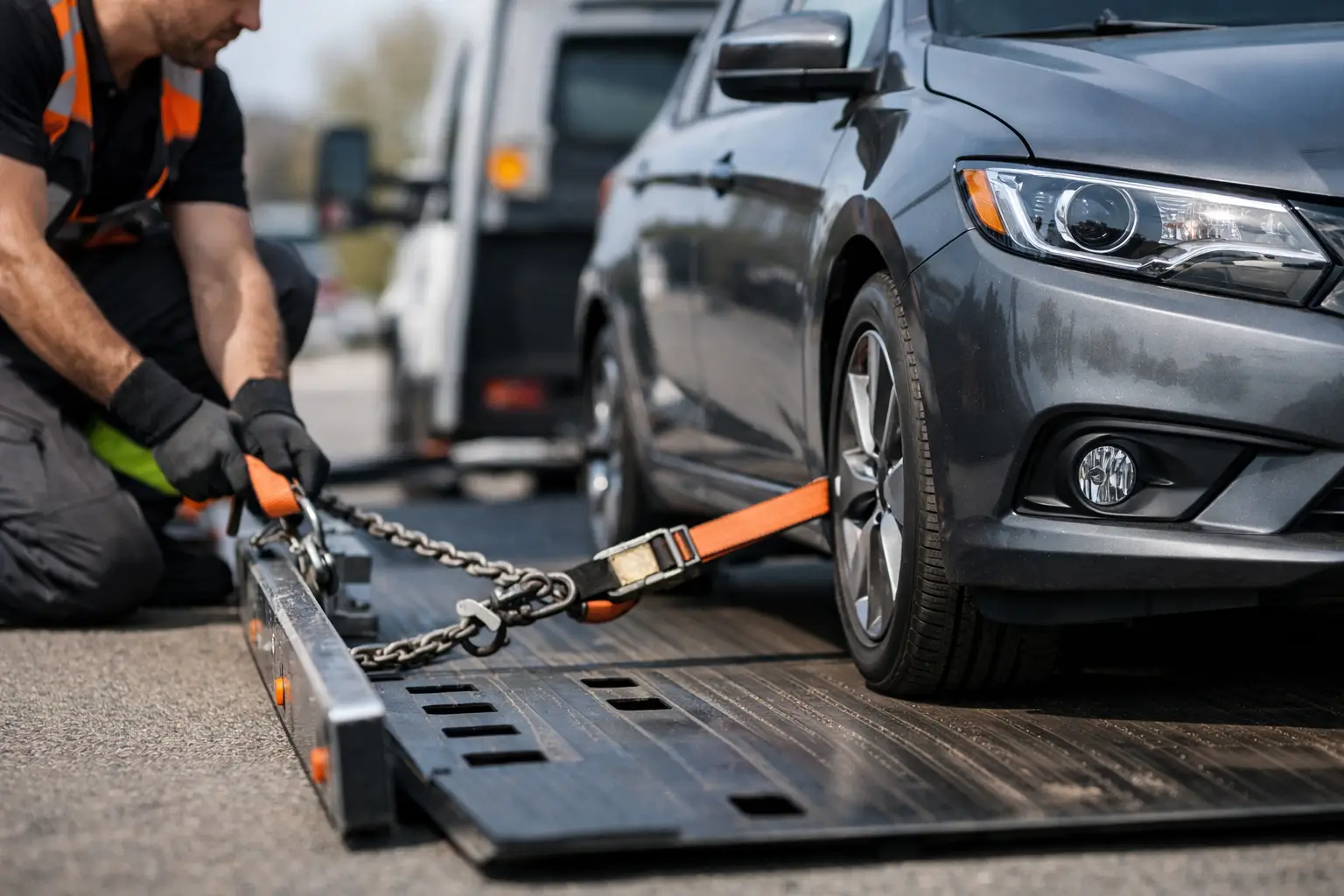
A flatbed tow is one of the safest ways to move a disabled, damaged, or low-clearance vehicle - but the truck can only do its job well if the car is ready when the operator arrives. If you are searching for how to prepare car for flatbed towing, the goal is simple: protect the vehicle, avoid delays, and help the tow go smoothly from pickup to drop-off.
When drivers are stranded in Kenner, New Orleans, or anywhere nearby, stress usually makes people rush. That is understandable. Still, a few smart steps before loading can prevent towing damage, save time, and make it easier for the operator to secure the vehicle correctly.
How to prepare car for flatbed towing before the truck arrives
Start with safety first. If the car is stuck in traffic, on a shoulder, or in a parking lot with poor visibility, turn on your hazard lights right away. If it is safe to exit, move away from traffic and stand clear of the roadway. Your personal safety matters more than anything inside the vehicle.
Next, give the towing company accurate details. Tell dispatch whether the car starts, whether the wheels roll, if it was in an accident, and if it is front-wheel drive, rear-wheel drive, all-wheel drive, or four-wheel drive. That information helps send the right equipment the first time. A flatbed is often the best option for accident vehicles, luxury cars, low-clearance models, and vehicles with drivetrain issues, but the operator needs the full picture before arriving.
If you can do so safely, gather your keys, registration, proof of insurance, and any parking or destination information the driver may need. If the car is going to a repair shop, make sure you know the address and whether the shop is open to receive it. If it is going home, clear enough space for the truck to unload.
Clear the car and secure loose items
One of the most overlooked parts of preparing a vehicle for towing is the inside of the car. Remove valuables such as wallets, cash, electronics, medication, and important documents. Towing professionals handle vehicles carefully, but you do not want personal items left behind during an already stressful situation.
Loose items should be secured or removed as well. A water bottle, tool bag, phone mount, or trunk organizer can slide around during loading and unloading. If the vehicle has cargo packed high in the rear, that extra weight can also affect balance on the bed. You do not need to empty the whole car, but it helps to remove anything heavy, fragile, or easy to lose.
If there are custom accessories, mention them. Front splitters, side skirts, very low bumpers, oversized wheels, and aftermarket suspension can all affect loading angle and tie-down placement. This is not a reason to worry - it is a reason to speak up early so the tow operator can plan for it.
Put the vehicle in the right condition for loading
If the car still has electrical power, unlock the steering wheel and make sure the vehicle can be shifted when needed. On many vehicles, that means having the key or push-button fob available. If the battery is dead, let the operator know before arrival because the loading process may require additional steps.
For most standard situations, the parking brake should be released when the operator is ready to load the vehicle. Do not do this too early if the car is on any incline. Wait until the tow professional is in position and gives clear instructions. The same goes for shifting into neutral - timing matters, especially if the vehicle is disabled or in a tight area.
If the car has serious mechanical damage, do not force anything. Do not try to start a badly damaged engine, and do not try to drag or push the vehicle into a better spot unless it is clearly safe to do so. A trained operator with the right winch and equipment can handle non-running vehicles without turning a bad situation into a worse one.
If the car was in an accident
Accident vehicles need extra caution. Body damage can hide suspension damage, leaking fluids, broken steering parts, or wheel alignment issues. Even if the car looks drivable, it may not load normally. Let the operator inspect it and decide the safest approach.
If law enforcement, a property owner, or a roadside assistance provider gave you instructions about where the car must be moved, pass that along during dispatch. Clear communication reduces delays and prevents confusion at pickup.
Check for fluid leaks and visible damage
Before the flatbed arrives, look under the vehicle if it is safe to do so. Major leaks from oil, coolant, fuel, or transmission fluid should be reported right away. This matters for both safety and transport planning.
Also take a quick walk around the car and note any obvious damage. Photos on your phone can help document the vehicle's condition before towing. This is especially useful after an accident or when a car already has bumper, wheel, or underbody damage. Good towing companies already prioritize careful handling, but basic documentation gives everyone a clear starting point.
Low-clearance and specialty vehicles
Flatbeds are often the preferred choice for sports cars, lowered vehicles, luxury cars, classic cars, and some EVs because they keep all four wheels off the road. That said, these vehicles can require more careful loading angles, ramp extensions, or special tie-down methods.
If your car sits low or has limited ground clearance, say so when you call. The same applies if the vehicle is oversized, heavily modified, or has expensive wheels you want protected. A licensed and insured towing company with trained operators should already be prepared for this, but details help the job move faster and more safely.
Know what not to do when preparing for flatbed towing
Trying to help is natural. Sometimes it helps. Sometimes it creates risk.
Do not crawl under the vehicle. Do not hook chains or straps yourself unless the tow operator specifically asks and it is part of a safe setup. Do not stand between the vehicle and the truck during loading. And do not let bystanders crowd around the bed while the vehicle is being winched up.
It is also a mistake to assume every car should be treated the same way. An all-wheel-drive SUV, a damaged front-wheel-drive sedan, and a low sports car each present different loading concerns. That is why the best move is usually to provide accurate information and let a professional handle the process.
How to help the tow operator do the job faster
The easiest way to speed things up is to be ready with the exact pickup location, your callback number, the destination address, and a short description of the problem. “Won't start” is helpful. “Won't start after overheating, parked in a tight garage, front wheels turned hard left” is much better.
If the car is in a gated complex, parking garage, alley, or narrow driveway, mention that before dispatch sends the truck. Tight access can affect which flatbed or equipment is needed. If there is a time-sensitive issue - such as a blocked driveway, a closed repair shop, or a vehicle stranded in an unsafe area - say that too.
If you are in the New Orleans or Kenner area and need fast help, Zain Towing LLC can dispatch 24/7 for flatbed towing and roadside service. The right truck, the right operator, and the right information from the start make a big difference.
How to prepare car for flatbed towing for long-distance transport
For a longer haul, preparation should be a little more thorough. Make sure the destination is confirmed, remove more personal items than you would for a short local tow, and check whether the vehicle has any intermittent issues that could affect unloading later. If the battery is weak, the transmission has to be manually released, or the steering locks unexpectedly, mention it before transport begins.
For long-distance moves, some drivers also prefer to photograph the odometer, exterior panels, and wheel condition before pickup. That is not about distrust. It is simply good practice whenever a vehicle is being transported over a greater distance.
The bottom line when your car needs a flatbed
Preparing a vehicle for flatbed towing is mostly about being calm, clear, and realistic about the car's condition. Secure your personal items, report damage honestly, keep the area safe, and let the operator control the loading process. A proper flatbed tow should protect the vehicle, not add new problems.
When you are stuck on the roadside or dealing with a disabled vehicle at home, you do not need to know every technical detail. You just need to take a few smart steps, share accurate information, and work with a towing team that treats your vehicle like it matters.
Need help right now?
Zain Towing runs 24/7 in Kenner, New Orleans, Metairie, Harahan and Gretna. Call (504) 666-9099 or see our towing service, roadside assistance and New Orleans pages.