
How to Request Emergency Towing Fast
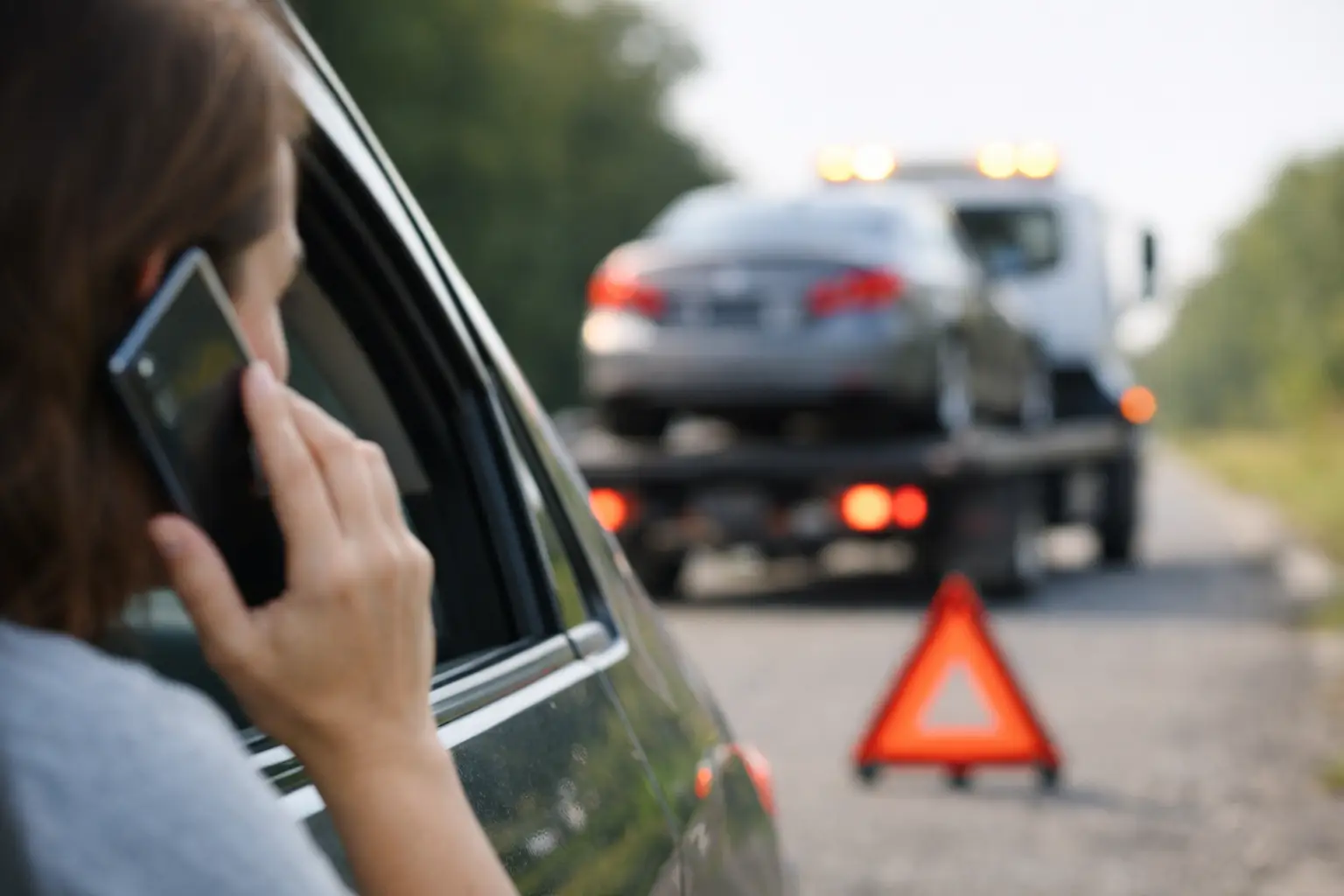
Your car dies in traffic, on the shoulder, or in a parking lot after midnight, and suddenly the only thing that matters is getting help moving. If you are wondering how to request emergency towing, the goal is simple - stay safe first, then give dispatch the right details so the right truck gets to you without delay.
A lot of drivers lose time because they make the call before they know exactly where they are, what kind of vehicle they have, or what condition the vehicle is in. In an emergency, those details matter. A dispatcher can move faster when the information is clear, and a tow operator can arrive prepared with the right equipment for a safe pickup.
How to request emergency towing without slowing things down
Start with your location before anything else. If you are on a highway near Kenner or New Orleans, saying only “I’m on I-10” is not enough. Give the nearest exit, cross street, mile marker, direction of travel, or a visible business name. If your phone allows it, use the map pin or GPS coordinates to confirm your exact spot.
Next, explain why you need the tow. A breakdown, flat tire, dead battery, accident, lockout, or vehicle stuck in mud may all require a different response. Sometimes a roadside service call is enough. Other times, the vehicle needs to be loaded and transported. Being clear about the problem helps dispatch send the right truck and the right operator the first time.
Then identify the vehicle. Share the year, make, model, and color if you can. Mention whether it is a car, SUV, pickup, motorcycle, van, RV, or another type of vehicle. If the vehicle sits very low, has all-wheel drive, has damage to the wheels, or cannot roll freely, say that up front. Those details affect how the vehicle should be loaded to prevent damage.
Finally, tell dispatch where the vehicle needs to go. Some drivers only think about pickup, but destination matters too. If the vehicle is going to your home, a repair shop, a dealer, or another city, that information helps confirm pricing, route planning, and equipment needs.
What to say when you call for emergency towing
You do not need to know towing terminology. Keep it direct. Tell the dispatcher your exact location, your vehicle type, what happened, whether the vehicle can roll, and where you want it taken. If you are in a dangerous spot, say that immediately.
A good example sounds like this: “I’m on the right shoulder of I-10 east near Exit 223 in a gray Toyota Camry. The engine shut off and it won’t restart. The car rolls, and I need it towed to my mechanic in Metairie.”
If the situation involves an accident, let dispatch know whether law enforcement is on scene and whether the vehicle is safe to approach. If anyone may be injured, call 911 first. Towing comes after immediate medical and police needs.
Stay safe while you wait
Requesting the tow is only part of the job. The minutes before the truck arrives can be the most dangerous, especially on highways, bridges, narrow streets, or in bad weather.
If the vehicle can be moved safely, get it off the travel lane and onto the shoulder or a nearby safe area. Turn on your hazard lights right away. If you have reflective triangles or flares and it is safe to place them, use them. At night, keep your interior light on if that helps the operator identify you, but do not stand in traffic trying to flag someone down.
Whether you stay inside the vehicle or step away depends on where you are stopped. On a busy highway shoulder, it may be safer to move well away from traffic and wait behind a guardrail if one is present. In a parking lot or quiet street, staying with the vehicle may be fine. It depends on traffic speed, visibility, weather, and the position of the vehicle.
If you are alone, lock the doors if you remain inside. If someone claiming to help arrives before the tow truck, verify who they are before accepting assistance. A professional towing company should be able to tell you the truck type, arrival estimate, and operator status.
The details that help dispatch send the right truck
Not every emergency tow is the same. A standard light-duty tow for a sedan is different from a flatbed request for a luxury car, an SUV with drivetrain issues, or a pickup with collision damage. The more accurate you are, the smoother the service call goes.
Mention if the steering is locked, a wheel is missing, the car is in a garage, the keys are lost, or the vehicle is stuck in water, mud, sand, or a ditch. These are not minor details. They can change the equipment needed and affect arrival time. The same is true if the vehicle is loaded with cargo, pulling a trailer, or parked in a tight access area.
If you are driving a rideshare vehicle, work truck, or family SUV full of passengers, tell dispatch that too. It helps set expectations and can speed up the next steps once the operator arrives.
When roadside assistance may be better than a tow
Sometimes drivers request a tow when they really need a faster roadside fix. A dead battery, minor tire issue, fuel delivery, or lockout may not require transporting the vehicle at all. That can save time and money if the problem can be handled on site.
Still, there are trade-offs. If the vehicle has repeated battery problems, obvious engine trouble, overheating, transmission issues, or collision damage, towing is usually the safer choice. Getting it started is not always the same as making it roadworthy. If there is any doubt about safety, ask for the tow.
Questions to ask before service is dispatched
When you are stressed, it is easy to forget what matters. Ask for the estimated arrival time, the expected service type, and what the operator will need from you on scene. If pricing depends on distance, vehicle condition, or special recovery work, ask that before the truck is sent.
You should also ask whether the company is licensed and insured. That is not just a box to check. Proper coverage and trained operators matter when your vehicle is being loaded, secured, and transported. Fast service matters, but safe handling matters just as much.
A local company with 24/7 dispatch and trained tow operators can usually move quicker and with fewer handoffs than a generic call center that has to outsource the job. In a place like Kenner or New Orleans, where traffic, weather, and road conditions can change fast, local response makes a difference.
Common mistakes that delay emergency towing
The biggest mistake is giving an unclear location. The second is leaving out damage or mobility issues with the vehicle. The third is not answering the phone after the request is placed. Dispatch may need to confirm details, and operators often call when they are close.
Another common issue is telling the company the vehicle is in one condition when it is actually in another. If the car does not roll, has front-end damage, is stuck in a flood-prone area, or is blocked in by other vehicles, say so. Surprises on arrival usually mean more delay.
It also helps to remove valuables and have your ID, registration, and destination details ready. If someone else owns the vehicle, mention that early. If the tow is going to a repair shop after hours, make sure the drop-off is actually possible.
If you need towing in the Kenner or New Orleans area
Drivers in this area often need help in high-stress conditions - interstate shoulders, airport routes, late-night breakdowns, flooded streets, event traffic, and busy local roads. In those moments, speed matters, but so does sending the right truck for the job. Zain Towing LLC focuses on 24/7 dispatch, trained operators, and safe transport so drivers can get help without adding more risk to the situation.
The best emergency towing request is not the longest one. It is the clearest one. Give your location, vehicle details, problem, and destination, then stay somewhere safe and keep your phone close. When the call is handled right from the start, everything after that gets easier.
Need help right now?
Zain Towing runs 24/7 in Kenner, New Orleans, Metairie, Harahan and Gretna. Call (504) 666-9099 or see our towing service, roadside assistance and New Orleans pages.