
How to Stay Safe Roadside Fast
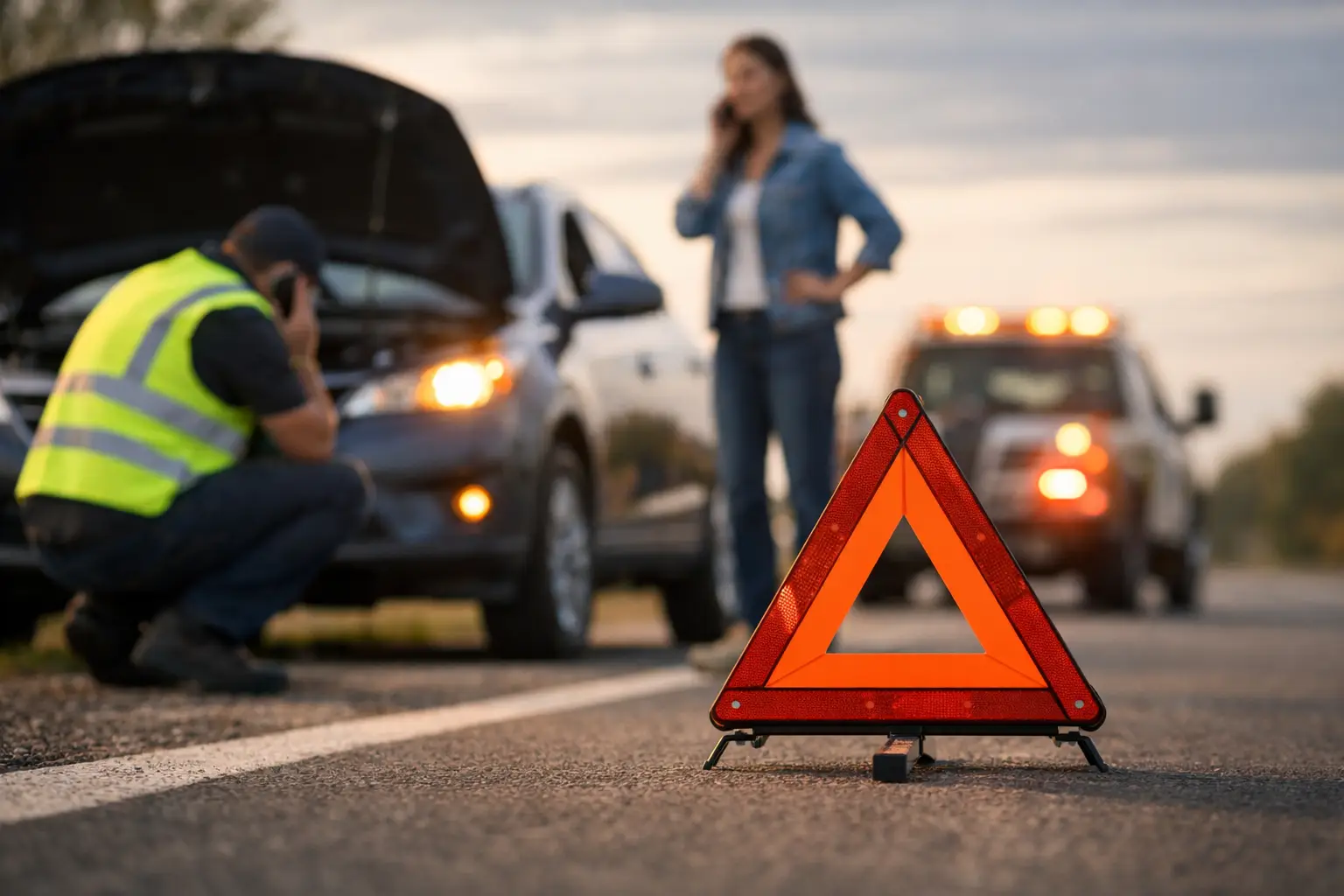
A breakdown on I-10, a flat on Veterans, or engine trouble late at night in New Orleans can turn stressful fast. Knowing how to stay safe roadside matters most in the first few minutes, because where you stop, how visible you are, and what you do next can lower the risk of a second accident.
How to Stay Safe Roadside From the Start
Your first job is not fixing the vehicle. Your first job is getting out of active traffic if the vehicle can still move. Ease off the road as far as possible onto a shoulder, exit ramp, parking lot, or other safe area. If your car is making a bad noise but still rolling, that short move to a safer spot is often worth it. If moving the vehicle would make things worse, stop where you are, turn on your hazard lights, and focus on visibility.
Once stopped, put the vehicle in park, set the parking brake, and stay calm. Panic causes rushed decisions, and rushed decisions are what put people too close to moving traffic. If it is dark, raining, or visibility is poor, assume other drivers do not see you as clearly as you think they do.
Hazard lights should go on right away. At night, your interior dome light can also help first responders or a roadside operator identify your vehicle more quickly once help is on the way. If you carry reflective triangles or road flares, use them only if you can place them without stepping into danger. A safety tool is only helpful if using it does not put you in the traffic lane.
Where You Should Wait - and When to Get Out
This is where roadside safety depends on the situation. On a quiet side street, stepping out on the passenger side may be reasonable. On a busy highway shoulder, staying inside with your seat belt on is often the safer choice, especially if traffic is moving fast and close.
If you are on the shoulder of a major road and your vehicle is fully out of traffic, stay inside with the doors locked unless there is an immediate hazard such as smoke, fire, or the risk of being hit from your position. If you do need to exit, use the side away from traffic and move well clear of the road. Standing beside the vehicle or behind it is risky because an approaching driver can drift onto the shoulder with very little warning.
If you have passengers, keep everyone together and make a clear decision early. Small children should never be allowed to stand near traffic while an adult checks the vehicle. Pets should stay secured. A loose dog on a roadside shoulder creates a second emergency fast.
High-speed roads require a different approach
Interstates and bridges around the New Orleans area leave less room for error. On high-speed roads, do not try to inspect the vehicle from the traffic side, and do not crouch near a tire if passing vehicles are close. A simple flat tire becomes much more dangerous when the shoulder is narrow or visibility is limited.
In those cases, calling for professional roadside help is usually the safer move than attempting a repair yourself. Speed matters, but safe positioning matters more.
What to Do While Waiting for Help
After you are stopped safely, call for assistance and be ready with the exact location. The best description includes the road name, nearest exit, direction of travel, a mile marker if visible, and a description of your vehicle. Saying "I am on I-10 near Kenner" is a start, but "eastbound I-10 near Exit 223, white SUV on the right shoulder" gets help to you faster.
Keep your phone charged if possible and stay available. If you have roadside coverage or are calling a local towing company, answer unknown numbers while you wait. Dispatch may need to confirm your location, vehicle type, or service need. A missed call can slow the response.
If someone you do not know stops to help, be cautious. You can crack the window enough to speak, thank them, and let them know help is already on the way. Most people mean well, but you still need to protect yourself and your passengers. Do not accept a ride from a stranger unless there is a clear immediate danger and no safer option.
Share your location with someone you trust
If you are alone, send your location to a family member or friend and let them know what is happening. It is a simple step, but it adds another layer of protection. If your phone battery is low, send one short message first before making nonessential calls.
The Biggest Mistakes Drivers Make Roadside
A lot of roadside danger comes from trying to save a few minutes. Drivers step out on the traffic side, stand behind the vehicle, or start changing a tire in a bad spot because they want to get moving again quickly. That instinct is understandable, but the roadside is not the place to rush.
Another common mistake is staying too focused on the vehicle problem itself. A dead battery, lockout, or blown tire feels like the emergency, but traffic is often the bigger threat. Your attention should stay on your surroundings first and the mechanical issue second.
People also underestimate weather. In heavy rain, fog, or after dark, visibility drops fast for everyone on the road. A shoulder that feels safe in daylight may be much more dangerous at 11 p.m. It depends on where you are, how fast traffic is moving, and whether approaching drivers have enough time to react.
If You Need to Change a Tire, Be Honest About the Risk
Sometimes a tire change is straightforward. If you are in a parking lot, on a wide shoulder, or on a low-traffic street with good daylight, it may be reasonable if you know what you are doing and have the right tools. But if the ground is soft, the shoulder is narrow, traffic is heavy, or you are not sure the jack will sit securely, stop and call for help.
There is no prize for doing it yourself in a dangerous location. The same goes for jump-starts. If you are in a safe place and know the proper steps, a jump may be simple. If not, waiting for trained roadside assistance is the better call. The goal is not just getting back on the road. The goal is getting back on the road safely.
What to Keep in Your Vehicle for Better Roadside Safety
You do not need to turn your trunk into a workshop, but a few basics make a real difference. Keep a charged phone cable, flashlight, reflective triangles, bottled water, and a basic first-aid kit in the vehicle. A reflective vest is also helpful if you ever have to step outside in low light.
If you drive long distances, travel with kids, or work late hours, add weather-specific items. In South Louisiana, heat and sudden storms are the main concern more often than snow. Water, a portable power bank, and dry storage for documents can help more than people realize.
Regular vehicle maintenance matters too. Worn tires, weak batteries, and ignored warning lights tend to become roadside problems at the worst possible time. Prevention will not stop every breakdown, but it lowers the odds that you will be stranded in an unsafe spot.
How to Stay Safe Roadside in Louisiana Weather and Traffic
Local driving conditions change the equation. In the Kenner and New Orleans area, afternoon rain can cut visibility in minutes, and busy roads stay active well after rush hour. That means roadside safety is not only about your actions. It is also about expecting that other drivers may be distracted, speeding, or unable to stop quickly.
If your vehicle breaks down during a storm, visibility becomes the top issue. Hazard lights, safe positioning, and staying inside the vehicle are usually smarter than trying to wave someone down or inspect damage in the rain. Water on the roadway can also hide shoulder edges, debris, or soft ground.
This is one reason many drivers call a licensed, insured operator instead of taking chances at the roadside. A trained tow operator arrives with the right equipment, better visibility tools, and the experience to load or assist the vehicle without adding more risk. Zain Towing LLC handles these situations around the clock because breakdowns do not wait for daylight or good weather.
When It Is Time to Call Right Away
Some situations should trigger an immediate call for professional help. If the vehicle will not move out of a traffic lane, if you smell fuel, if a tire failure happened near fast-moving traffic, or if you were involved in any collision, do not experiment at the roadside. Call right away and focus on staying visible and protected until help arrives.
The same goes for lockouts with children, medical concerns, or extreme heat. Waiting too long can turn a stressful situation into a dangerous one. Fast dispatch matters, but clear information from you matters too.
Roadside problems are unsettling, especially when they happen at night, in traffic, or with family in the vehicle. The safest move is usually the simplest one: get to the safest location you can, stay visible, avoid unnecessary risks, and bring in trained help when the road is not giving you room for error.
Need help right now?
Zain Towing runs 24/7 in Kenner, New Orleans, Metairie, Harahan and Gretna. Call (504) 666-9099 or see our towing service, roadside assistance and New Orleans pages.