How to Transport a Non Running Car Safely
A car that will not start is stressful enough. The last thing you need is a second problem caused by moving it the wrong way. Knowing how to transport a non running car starts with one decision: do not try to force it, drag it, or tow it with whatever vehicle happens to be available. The safest method depends on the car's drivetrain, condition, location, and destination.
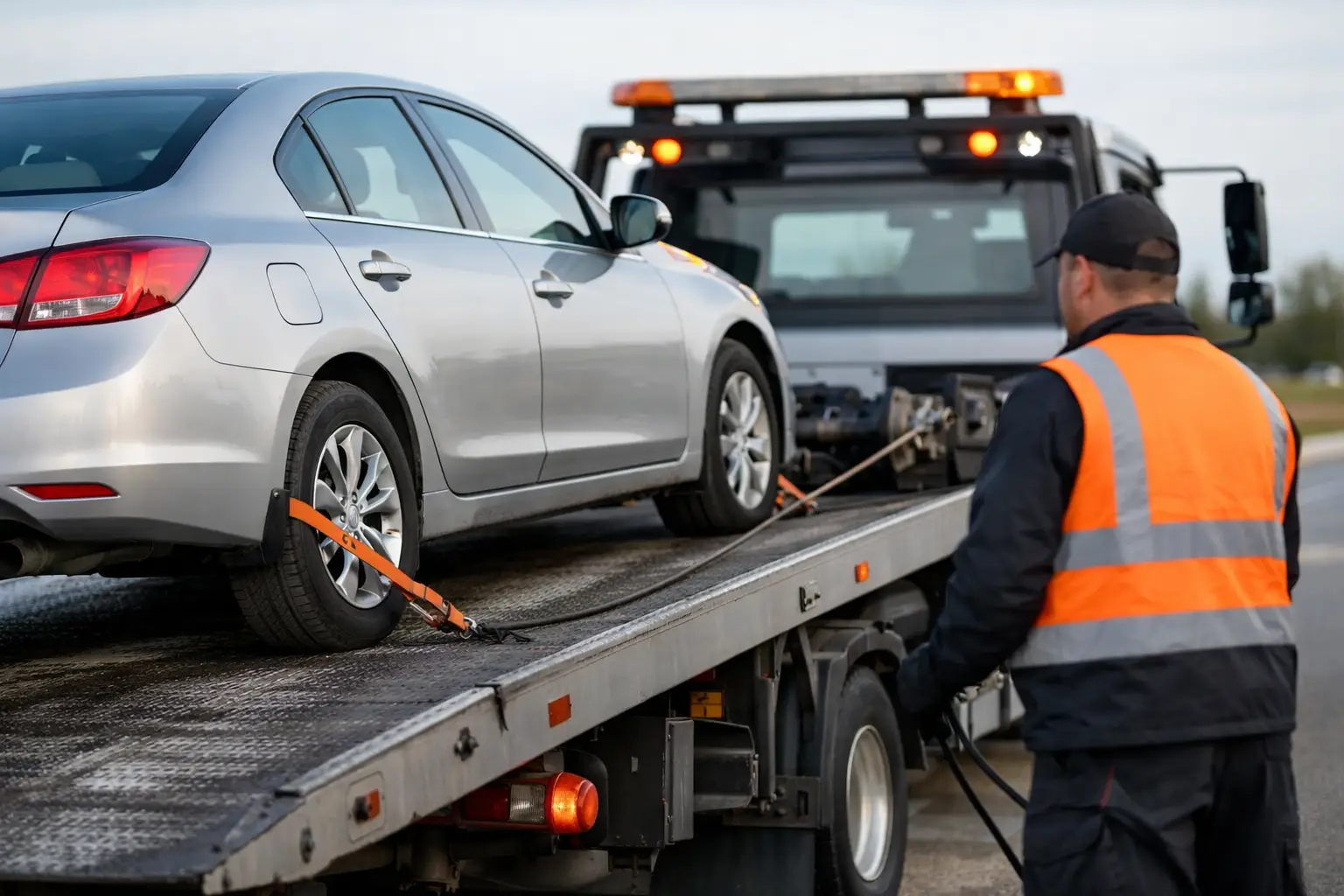
For most drivers in Kenner and New Orleans, a professional flatbed tow is the right answer. It keeps all four tires off the road, protects the transmission and suspension, and gives the operator control during loading and unloading. That matters even more after an accident, a breakdown on a busy road, or a vehicle that has been sitting for months.
Choose the Right Way to Transport a Non Running Car
Not every disabled vehicle can be moved the same way. A tow operator will assess whether the car rolls, steers, shifts into neutral, has locked wheels, or has collision damage before choosing the equipment. Those details are not minor. They determine whether the vehicle can be safely winched onto a truck or needs additional recovery equipment.
Flatbed towing is the safest all-around choice
A flatbed carries the entire vehicle on a level platform. It is the preferred option for most non-running cars, including all-wheel-drive vehicles, luxury cars, low-clearance cars, EVs, and vehicles with unknown mechanical damage. Because the tires are off the pavement, the drivetrain does not turn during transport.
Flatbed service is also the best option when a car cannot be put in neutral, has a flat tire, has damaged steering, or will not roll freely. A trained operator can use a winch, wheel skates, dollies, or other proper equipment to load it without treating the vehicle like a piece of scrap.
Wheel-lift towing may work in limited situations
A wheel-lift truck lifts one end of the vehicle while the other wheels remain on the road. This can be efficient for short-distance moves when the vehicle is in the correct condition and the proper wheels are lifted. For example, some front-wheel-drive cars can be moved with the drive wheels off the ground.
There are important exceptions. All-wheel-drive and four-wheel-drive vehicles generally should not be wheel-lift towed unless dollies or manufacturer-approved procedures are used. Towing the wrong end of a vehicle can damage the transmission, transfer case, differential, or tires. If there is any doubt, request a flatbed.
A tow dolly or trailer is best for planned transport
If you are moving a project car, a vehicle bought at auction, or a car from one property to another, a trailer may be a practical choice. It must be correctly rated for the vehicle's weight, properly secured, and pulled by a capable tow vehicle. This is not a casual setup for someone who has never loaded a disabled car.
A tow dolly only carries two wheels, so drivetrain rules still apply. It can work for certain vehicles, but it is not automatically safer than a flatbed. For a vehicle that does not run or has an unknown issue, professional transport removes much of the risk.
What to Tell the Tow Dispatcher
Fast service begins with accurate information. When you call for a tow, explain that the vehicle is non-running and share as much detail as you can. This helps dispatch send the correct truck instead of arriving with equipment that is not suited to the job.
Be ready to provide the vehicle's year, make, model, and approximate condition. Mention whether it is a car, SUV, truck, motorcycle, or RV; whether it is front-wheel, rear-wheel, all-wheel, or four-wheel drive if you know; and whether it has aftermarket modifications or very low ground clearance.
Also explain what the vehicle can and cannot do. Can the wheels roll? Does the steering wheel turn? Can the transmission be shifted into neutral? Are any tires flat? Has it been in an accident, flood, ditch, garage, parking deck, or tight driveway? A car blocked by another vehicle or sitting with its wheels turned sharply may require more time and specialized loading techniques.
Finally, provide the exact pickup and destination addresses, plus any access concerns. Gate codes, narrow streets, apartment parking lots, low-hanging branches, and busy traffic areas all affect the safest approach.
Prepare the Car Before Pickup
You do not need to repair the car before it is towed. You can, however, make the pickup safer and faster by handling a few simple tasks if conditions allow. Do not stand in traffic, work near moving vehicles, or attempt anything that puts you at risk.
Before the truck arrives, remove personal belongings, toll tags, valuable items, and loose objects from the cabin. If you have the keys, keep them ready for the operator. Gather the registration, insurance information, and any instructions from the repair shop, dealership, body shop, or storage facility receiving the vehicle.
If the car is parked safely, make sure the operator can access it. Move other vehicles from the driveway when possible, open gates, and let building security know a tow truck is coming. Take a few clear photos of the vehicle's exterior before transport, especially if it has existing accident damage. This gives you a record of its condition.
If the battery is dead, the operator may still be able to place the transmission in neutral using the vehicle's manual shift-lock release. Do not force the shifter. If the parking brake is stuck or electronic brakes will not release, say so before the truck arrives.
Never Use a Rope or Tow Strap for a Disabled Car
A rope, chain, or basic tow strap may look like a quick fix, but it creates major safety and damage risks. The lead vehicle may not have enough braking power, the disabled car may not have power steering or power brakes, and a sudden stop can cause a collision. A strap can also fail under load or pull loose from an improper attachment point.
Improperly towing a modern vehicle can be expensive. Low bumpers, plastic undertrays, sensors, active safety systems, and electronic parking brakes are not designed to handle improvised recovery. In New Orleans-area traffic, where roads can be crowded and weather can change quickly, the risk is not worth it.
The same warning applies to trying to push a car long distances. Moving a vehicle a few feet in a private driveway is one thing. Pushing a non-running vehicle through a parking lot, onto a roadway, or into traffic creates exposure for everyone nearby.
Special Situations That Need Extra Care
Some non-running cars need more than a standard hookup. An EV or hybrid should be handled according to its manufacturer towing requirements, especially if it has battery damage after a collision. A vehicle with flood exposure should not be started or jump-started until it has been inspected, since water can affect electrical systems, fluids, and brakes.
After a serious accident, tell dispatch if a wheel is bent, an axle is broken, airbags deployed, or fluids are leaking. The vehicle may need to be winched carefully, lifted from a specific point, or placed on dollies to avoid additional damage. If fuel is leaking or you smell smoke, move to a safe distance and contact emergency services first.
Long-distance transport also changes the plan. Confirm the destination's receiving hours, whether the shop can accept keys after hours, and who is authorized to release the vehicle. A secure handoff prevents your car from arriving at a closed gate or an unprepared repair facility.
Get Professional Help When the Vehicle Cannot Move
The right tow is not just about getting a non-running car from Point A to Point B. It is about protecting the vehicle, avoiding roadside hazards, and making sure the right equipment arrives the first time. Licensed and insured towing gives you a clear plan when your car will not start, will not shift, or cannot be safely driven.
Zain Towing LLC provides 24/7 towing and secure vehicle transport throughout the Kenner and New Orleans area, with trained operators and the equipment to handle light- and medium-duty vehicles. Share the vehicle details when you request service so dispatch can send the right solution without delay.
If your car is disabled right now, get yourself to a safe location, keep clear of traffic, and arrange a professional tow before a manageable breakdown turns into costly damage.
Need help right now?
Zain Towing runs 24/7 in Kenner, New Orleans, Metairie, Harahan and Gretna. Call (504) 666-9099 or see our towing service, roadside assistance and New Orleans pages.