
How to Transport Disabled Vehicle Safely
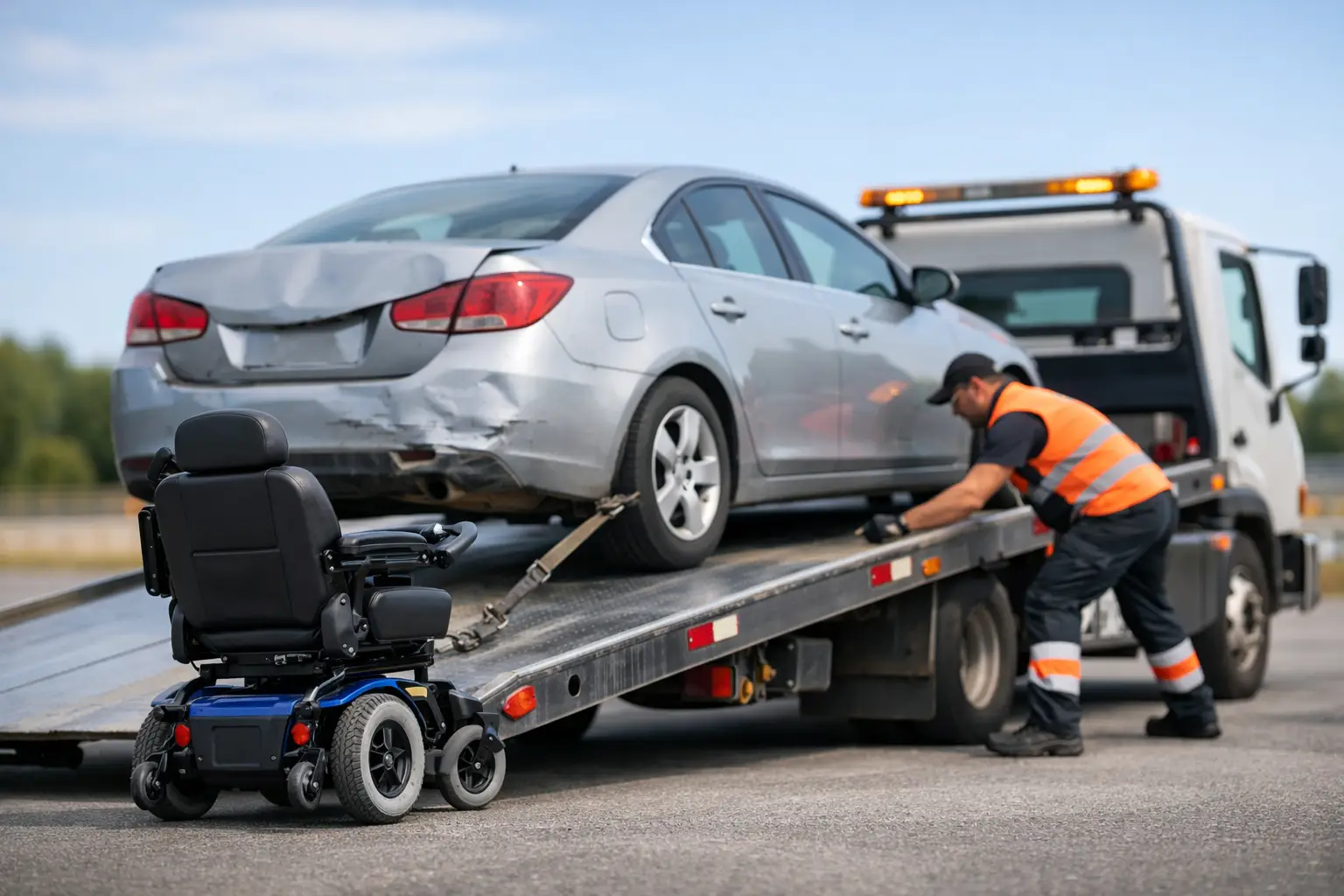
A disabled vehicle on I-10, in a parking lot, or on a neighborhood street can turn into a bad situation fast. If you are searching for how to transport disabled vehicle safely, the first priority is simple - protect yourself, prevent more damage, and get the right tow truck on the way as soon as possible.
Most drivers do not need a complicated towing lesson. They need clear answers in a stressful moment. Can the vehicle be moved at all? Does it need a flatbed? Is it safe to pull it with another vehicle? How do you avoid making transmission, suspension, or body damage worse? Those are the decisions that matter.
How to transport disabled vehicle without causing more damage
The biggest mistake people make is assuming every broken-down vehicle can be towed the same way. It cannot. The right method depends on what failed, where the vehicle is located, and what type of vehicle you drive.
If the car will not start but still rolls freely, that does not automatically mean it is safe for a basic tow. A front-wheel-drive sedan, a rear-wheel-drive truck, an all-wheel-drive SUV, and a low-clearance luxury car all have different transport requirements. Add in accident damage, a locked steering wheel, flat tires, or a wheel pushed out of alignment, and the wrong towing method can turn a breakdown into a repair bill that is much bigger than it needed to be.
That is why professional dispatch matters. A trained operator asks the right questions up front so the right truck shows up the first time.
Start with roadside safety
Before thinking about destination or cost, get yourself out of danger. If the vehicle can be moved safely, pull it to the shoulder or another protected area. Turn on the hazard lights. If it is dark, use whatever lighting you have available. If traffic is heavy or the vehicle is in an exposed lane, stay away from moving traffic and wait in a safer spot if possible.
If you smell fuel, see smoke, or notice fluid pouring out, do not try to force the vehicle to move. That is a recovery and safety issue, not a quick tow decision.
Know when not to use DIY towing
A lot of drivers ask whether a friend with a truck can pull them home. Sometimes that sounds cheaper. Often it ends up costing more.
DIY towing is risky when the disabled vehicle has brake problems, steering issues, drivetrain failure, accident damage, or any unknown mechanical problem. It is also a bad idea on busy roads, highways, bridges, or in poor weather. Even if you own a tow strap or dolly, that does not mean the setup is safe or legal for your situation.
For most breakdowns, especially around busy Kenner and New Orleans traffic, professional towing is the safer call. A licensed and insured towing company has the equipment to load, secure, lift, and transport the vehicle without guessing.
Choosing the right tow method
The best answer to how to transport disabled vehicle depends on how much protection the vehicle needs during loading and transport. There is no single method that fits every call.
Flatbed towing
Flatbed towing is usually the safest option for disabled vehicles. The entire vehicle is loaded onto the bed, which keeps all four wheels off the road. That reduces wear and avoids many of the drivetrain risks that come with other methods.
Flatbeds are often the best choice for all-wheel-drive vehicles, luxury cars, low-clearance vehicles, motorcycles, heavily damaged cars, and any vehicle with serious mechanical failure. If the car has a broken axle, severe tire damage, or collision damage, a flatbed is usually the right answer.
Wheel-lift towing
Wheel-lift towing can work well for certain vehicles and short-distance moves when the vehicle condition allows it. This method lifts one end of the vehicle while the other wheels remain on the road. It can be efficient and practical, but it is not ideal for every drivetrain or damage situation.
This is where experience matters. A trained operator knows when wheel-lift towing is appropriate and when it creates unnecessary risk.
Dollies and specialty equipment
Some disabled vehicles need more than a standard hookup. If wheels are locked, tires are missing, the vehicle is stuck in a tight parking garage, or the suspension is compromised, specialty tools may be needed to load it safely. The same goes for motorcycles, SUVs, pickup trucks, RVs, and boats. Vehicle type changes the transport plan.
What to tell the towing company
The fastest way to get the right truck is to give clear details. You do not need to know every mechanical issue, but you should share what you can.
Tell dispatch your exact location, the year, make, and model of the vehicle, and whether it is front-wheel drive, rear-wheel drive, or all-wheel drive if you know it. Mention whether the vehicle starts, whether it rolls, whether the steering works, and whether there was an accident. If the car is in a garage, on a narrow street, in mud, or facing the wrong direction, say that too.
Also be clear about the destination. Are you going to a repair shop, your home, a dealership, or another city? Local towing and long-distance hauling may require different equipment scheduling.
When customers call Zain Towing LLC, that information helps dispatch send the proper truck and operator without delay. In a breakdown, speed matters, but sending the wrong equipment wastes time.
How to prepare a disabled vehicle for transport
Once help is on the way, there are a few simple steps that make transport easier and safer.
Remove valuable items and anything you may need right away, such as medication, keys, chargers, and important documents. If the vehicle can still power on, place it in the correct position only if instructed by the tow operator. Do not force the gear selector, steering, or parking brake if something feels stuck.
If the hood is open from your inspection, close it securely. If loose parts are hanging from the vehicle after a breakdown or minor collision, point them out to the operator. Photographs are also smart, especially if the vehicle has fresh damage from an accident. That protects everyone by documenting its condition before transport.
If you are sending the vehicle to a repair shop after hours, confirm that the shop can receive it or has a drop-off procedure. That saves time at delivery.
Common situations where transport needs change
Not every disabled vehicle is disabled in the same way. A dead battery is different from a snapped axle. That seems obvious, but it changes what safe transport looks like.
If the problem is electrical and the vehicle is otherwise intact, towing is usually straightforward. If the transmission failed, rolling the vehicle the wrong way can cause more damage. If a wheel is broken or the car was hit hard enough to affect alignment, loading can require extra care. If the vehicle is oversized, lifted, or carrying cargo, clearance and weight become part of the plan.
There is also the question of distance. A short local tow to a nearby shop may allow more options than a long-distance move. For longer hauls, securement and route planning matter even more.
Why professional towing is usually the cheaper choice
A lot of people compare towing cost to the price of borrowing a trailer or asking a friend for help. That is not the real comparison. The real comparison is professional transport versus the cost of transmission damage, bumper damage, undercarriage scraping, a traffic citation, or a roadside accident.
A qualified towing company brings trained operators, purpose-built equipment, and insurance coverage. That means the vehicle is not being dragged, improvised, or loaded with guesswork. It also means you are not standing on the side of the road trying to solve a dangerous problem with limited tools.
For drivers under stress, that peace of mind has real value.
When to call right away
Some situations should never be delayed. Call for professional towing immediately if the vehicle was in a collision, if it will not steer or brake normally, if it is stuck in traffic, if fluids are leaking heavily, or if you drive an all-wheel-drive vehicle and are unsure how it should be moved. The same goes for motorcycles, RVs, trucks, and any vehicle that sits too low or weighs too much for a casual tow setup.
If you are stranded late at night, during bad weather, or in an unfamiliar part of town, speed matters just as much as towing method. A 24/7 service with trained operators can make the difference between a manageable delay and a long, expensive night.
The safest move is usually the simplest one - stop trying to make a disabled vehicle do one more mile than it should. Get it handled correctly, get it moved securely, and give yourself one less thing to worry about while the real repair gets sorted out.
Need help right now?
Zain Towing runs 24/7 in Kenner, New Orleans, Metairie, Harahan and Gretna. Call (504) 666-9099 or see our towing service, roadside assistance and New Orleans pages.