
Is Flatbed Towing Safer for AWD Vehicles?
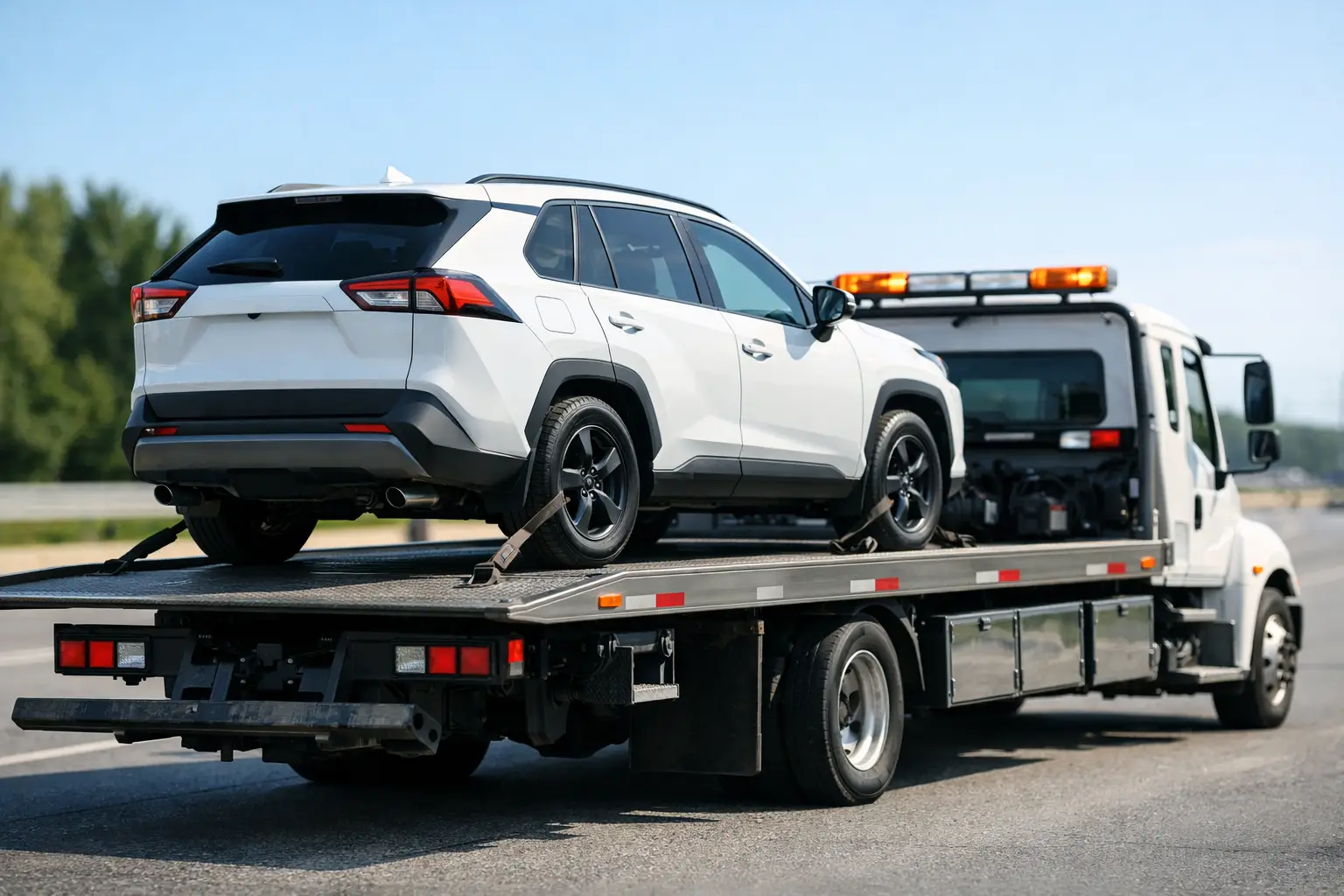
If your AWD vehicle breaks down on I-10, gets stuck in a parking lot in Kenner, or needs transport across the New Orleans area, the towing method matters more than most drivers realize. The short answer to is flatbed towing safer for AWD vehicles is yes - in most cases, flatbed towing is the safest option because it keeps all four wheels off the ground and helps prevent drivetrain damage.
That said, there are a few situations where another method may be used if the vehicle manufacturer allows it and the tow operator has the right equipment. What matters most is not guessing. AWD systems are sensitive, and the wrong tow can turn a breakdown into a much more expensive repair.
Why AWD vehicles need extra care
All-wheel drive vehicles are built to send power to all four wheels, either full-time or as needed. That setup improves traction, but it also creates more complexity in the drivetrain. The transfer case, differential, transmission, and electronic control systems are designed to work together within specific limits.
When an AWD vehicle is towed with some wheels on the ground and others lifted, those parts can continue to rotate in ways the system was not designed to handle while the engine is off. In some vehicles, that can lead to overheating, internal wear, or outright failure. Even a short tow done the wrong way can create problems.
This is why so many owner manuals are strict about towing instructions. Some AWD vehicles should only be moved on a flatbed. Others may allow a dolly or wheel-lift tow under limited conditions, such as short distances, low speeds, or with driveline disconnect procedures. The risk is that most stranded drivers do not have time to sort through those details on the shoulder of the road.
Is flatbed towing safer for AWD vehicles in real-world situations?
Yes, and especially during emergency towing. Flatbed towing is generally the preferred method because the entire vehicle is loaded onto the truck bed. None of the tires stay in contact with the road during transport, which removes the usual concern about drivetrain components turning unevenly.
That makes flatbed towing the safest call for many common situations. If your SUV will not start, if you were in a collision, if a tire is damaged, or if the car has an electrical fault that affects shifting or steering, a flatbed gives the operator more control and gives your vehicle more protection.
It also helps reduce secondary damage. Low-clearance cars, luxury crossovers, performance AWD sedans, and vehicles with suspension damage are often better served by a flatbed because the loading angle and tie-down process can be managed more carefully than with a basic hook-and-pull approach.
When other towing methods might be used
Not every non-flatbed tow is automatically wrong. There are cases where a wheel-lift tow with dollies can be used, but this depends on the exact make, model, condition of the vehicle, and manufacturer guidance.
For example, some AWD vehicles can be transported short distances if all four wheels are effectively lifted or isolated from the road. That usually requires specialized equipment and an operator who knows how to set it up correctly. The problem is that not every truck is equipped for that, and not every roadside situation gives enough room or time to do it safely.
If a company sends the wrong truck or treats an AWD vehicle like a standard front-wheel-drive sedan, that is where expensive mistakes happen. This is one reason professional dispatch matters. The operator should know what they are towing before they arrive, not after they hook up.
Why flatbeds are often the safer default
A flatbed is the safest default because it removes uncertainty. Instead of relying on assumptions about the drivetrain, transmission position, or whether the rear wheels can free-roll, the vehicle is fully supported on the bed.
That matters for newer AWD vehicles with electronic systems that stay partially active even when the engine is off. It also matters for vehicles with unknown damage. After an accident, you may not know whether an axle, wheel bearing, steering component, or suspension arm has been compromised. Rolling the car on any of its wheels could make the damage worse.
Flatbed towing also tends to be better for long-distance transport. If your AWD vehicle needs to go from New Orleans to another city for repairs, dealer service, or relocation, keeping it fully off the road for the whole trip is usually the best way to protect it.
Common situations where flatbed towing makes the most sense
Some calls are clear from the start. If your AWD vehicle has a blown tire, locked transmission, broken axle, dead battery plus electronic shifter issue, collision damage, or underbody damage, flatbed towing is usually the smart move. The same goes for luxury vehicles, lowered vehicles, and any car with manufacturer restrictions against wheels-down towing.
Weather can also play a role. In heavy rain, on soft shoulders, or in tight city spaces, a flatbed may provide a more controlled load and transport process. That can be especially important when traffic is moving fast and the goal is to clear the scene quickly without adding more risk.
What drivers should ask before the truck is dispatched
If you own an AWD vehicle, tell the dispatcher right away. Do not just say you need a tow. Say the year, make, model, and that it is all-wheel drive. If the vehicle is damaged, mention whether it rolls, whether the steering works, and whether any wheels are locked or broken.
Then ask a direct question: can you send a flatbed for an AWD vehicle? A professional towing company should be able to answer clearly and explain the plan. If a different method is proposed, they should be able to tell you why it is appropriate for your specific vehicle.
This is not about being difficult. It is about preventing damage before it happens. Good operators appreciate accurate information because it helps them dispatch the right truck the first time.
Is flatbed towing safer for AWD vehicles than a tow dolly?
In most cases, yes. A tow dolly lifts only one end of the vehicle, which can be a problem for AWD systems unless the manufacturer specifically permits that setup. Many drivers assume a dolly is safe because two wheels are off the ground, but on an AWD vehicle, the other two may still cause drivetrain rotation that creates damage.
There are exceptions, but they are not broad enough to treat as a rule. If you do not know your owner's manual instructions with certainty, flatbed towing is the safer answer.
The cost question drivers always ask
Some drivers hesitate because flatbed service can cost more than a basic tow. That is understandable, especially during a stressful roadside situation. But compared with the cost of repairing an AWD drivetrain, transfer case, or transmission, the safer tow method is usually the cheaper decision.
This is where experience counts. A licensed and insured towing provider with trained operators is not just charging for a ride from point A to point B. You are paying for correct handling, proper equipment, and lower risk of damage.
For drivers in Kenner and the New Orleans area, that means choosing a company that asks the right questions, dispatches the right truck, and treats AWD transport as a technical job, not a guess. Zain Towing LLC handles vehicle transport with that safety-first approach because fast service only helps if the vehicle arrives without added damage.
The safest move when you are stranded
If your AWD vehicle needs towing, assume flatbed first unless your manufacturer says otherwise and the towing company has equipment that supports an approved alternative. That one decision can protect your drivetrain, your warranty position, and your repair bill.
When you call for service, be clear about the vehicle type and ask for the safest transport method upfront. A few extra seconds on the phone can save you from a much bigger problem once the tow is over.
Need help right now?
Zain Towing runs 24/7 in Kenner, New Orleans, Metairie, Harahan and Gretna. Call (504) 666-9099 or see our towing service, roadside assistance and New Orleans pages.