
Is Towing Covered by Insurance?
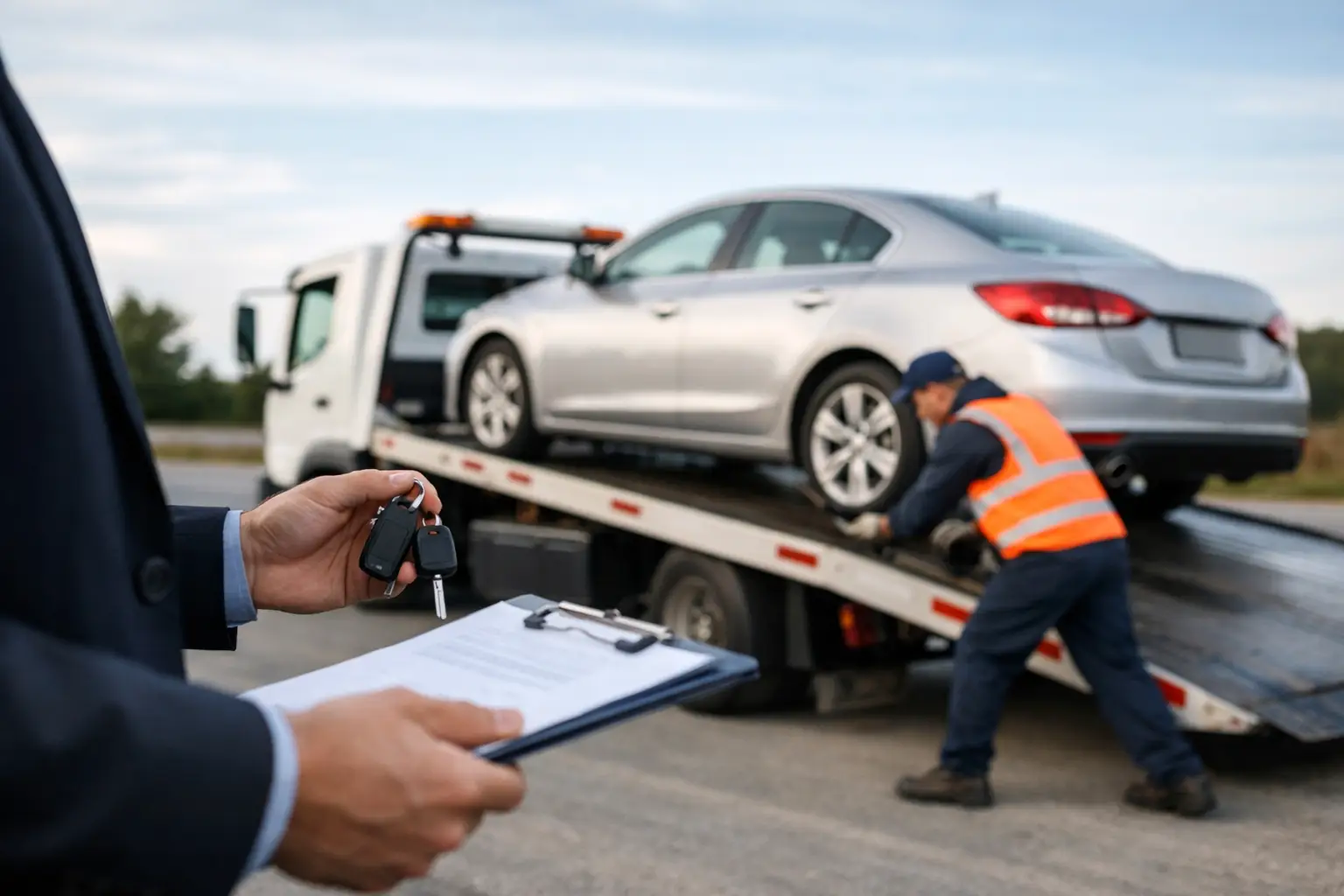
You are stuck on the shoulder, your car will not move, and the first question that hits is simple: is towing covered by insurance? The honest answer is sometimes. Coverage depends on why the car needs a tow, what policy you carry, and whether your insurer treats towing as roadside assistance, accident coverage, or an out-of-pocket expense.
For drivers around Kenner and New Orleans, that distinction matters fast. A breakdown on I-10, a flat in traffic, or a post-accident tow can turn stressful in minutes. Knowing what your policy may pay for helps you make the right call without losing time.
Is towing covered by insurance after a breakdown?
If your vehicle breaks down because of a mechanical issue, dead battery, flat tire, or similar non-collision problem, towing is usually covered only if you added roadside assistance or towing and labor coverage to your auto policy. It is not automatically included in every policy.
That is where many drivers get caught off guard. They assume full coverage means everything related to a disabled vehicle is handled. In reality, "full coverage" usually refers to liability, collision, and comprehensive. Towing may still be an optional add-on.
If you do have roadside assistance, the insurer may pay all or part of the tow bill up to a limit. Some policies cap the number of service calls per year. Others cap the dollar amount per tow or require the tow to go to the nearest repair facility.
When insurance usually does cover towing
There are a few common situations where coverage is more likely.
If your car was in an accident, towing may be covered under your collision coverage, especially when the vehicle cannot be driven safely from the scene. In that case, the tow is tied to the accident claim rather than a roadside assistance benefit.
If your vehicle was damaged by something other than a crash, such as flooding, fire, theft recovery, or storm damage, towing may fall under comprehensive coverage. That matters in Louisiana, where heavy rain and flooding can leave vehicles disabled without any collision involved.
If you bought roadside assistance, a tow after a breakdown, dead battery, lockout, or tire problem may be covered under that endorsement. The exact trigger depends on the policy language, but this is the most common path for non-accident towing.
When towing is not covered
Insurance does not pay for every tow. If the tow is simply for convenience, like moving a vehicle from one home to another or taking a project car to a shop across town, your policy usually will not cover it.
The same goes for many maintenance-related situations. If your car is drivable and you choose to tow it anyway, that may not qualify. If the cost goes beyond your policy limit, you may also owe the difference.
There can be other exclusions too. Some insurers will not cover unauthorized tows, non-emergency long-distance transport, or service performed outside their network unless you follow reimbursement rules. Others may deny coverage if the driver used a provider without prior approval when approval was required.
Roadside assistance vs. collision vs. comprehensive
This is where the details matter most.
Roadside assistance is for trouble that leaves you stranded but is not necessarily caused by a crash. Think battery failure, flat tires, lockouts, running out of gas, or a mechanical breakdown. If towing is covered here, it is usually limited and tied to the emergency event.
Collision coverage applies when your vehicle hits another car or object, or rolls over. If the vehicle must be removed from the scene, the towing expense is often part of the claim.
Comprehensive coverage applies to non-collision damage such as vandalism, theft, weather events, and certain road hazards. If that damage leaves the vehicle unsafe to drive, towing may be included.
The practical takeaway is simple: the reason your vehicle needs a tow often decides which part of your policy, if any, applies.
How much will insurance pay for a tow?
That depends on your insurer and the coverage you purchased. Some policies reimburse up to a fixed amount per disablement, such as $50, $100, or more. Others pay for towing to the nearest qualified repair shop. Some premium roadside plans allow longer towing distances.
This is one of the biggest trade-offs with insurance-based towing coverage. The monthly cost of the add-on is usually low, but the towing benefit may be limited. If your vehicle needs specialty handling, a flatbed, recovery from a ditch, or a longer haul, the policy limit may not cover the full bill.
That does not mean the coverage is not worth having. It just means you should know whether it covers a basic tow or the actual kind of service you may need.
What to ask your insurance company before you need a tow
The best time to check your towing coverage is before a breakdown happens. Ask whether your policy includes towing and labor, whether roadside assistance is active, and what the service limits are.
You should also ask whether you can choose your own tow company, whether reimbursement is allowed, how many miles are covered, and whether the destination must be the nearest shop. If you drive an SUV, truck, motorcycle, or other vehicle that may require special equipment, confirm that too.
Those answers matter during an emergency. The last thing you want at 2 a.m. on a wet roadside is confusion about approvals, mileage caps, or denied reimbursement.
What to do when your car needs a tow
Start with safety. Move to a secure location if possible, turn on hazard lights, and stay out of traffic. If the vehicle cannot be moved, call for help right away.
Then check your insurance app, ID card, or declarations page to see whether roadside assistance or towing reimbursement is listed. If you can reach your insurer quickly, ask whether they dispatch a provider directly or want you to arrange service and submit a receipt.
If you are in an accident, document the scene and confirm where the vehicle is being taken. If you are dealing with a breakdown, ask for the total price up front, what type of truck is being sent, and whether the operator is licensed and insured.
Fast response matters, but so does proper handling. A cheap tow can get expensive if the wrong equipment damages your bumper, drivetrain, or suspension.
Is towing covered by insurance if you use your own tow company?
Sometimes yes, sometimes no. Many insurers allow reimbursement if the service fits your coverage and you provide a receipt. Others prefer or require you to use their dispatch network.
This is another area where policy wording matters. If your insurer says reimbursement is allowed, ask about documentation, claim timing, and maximum payout. Keep every receipt, photo, and note from the service call.
For local drivers, speed can be the deciding factor. Waiting on a network provider may not always be the best option if you are blocking traffic, stranded at night, or dealing with unsafe conditions. In those situations, getting a professional tow first and sorting out reimbursement second may be the practical move, but only if your policy allows it.
Why insured towing service still matters even if your policy pays
Even when insurance covers some or all of the cost, the towing company still matters. Coverage does not guarantee careful loading, secure transport, or the right truck for the job.
That is why drivers should look for a licensed and insured towing provider with trained operators, proper equipment, and clear pricing. Whether your vehicle needs a short local tow, accident recovery, flatbed transport, or roadside help, the goal is the same: get your vehicle moved safely without adding more damage.
In a high-stress moment, simple wins. A fast dispatch, a professional operator, and clear communication can save you time even if you still need to file paperwork later. Companies like Zain Towing focus on exactly that kind of response for drivers in the Kenner and New Orleans area.
The short answer drivers should remember
So, is towing covered by insurance? Often yes, but only in the right situation and only if your policy includes the right coverage. Accident-related tows are more likely to be covered under collision or comprehensive. Breakdown-related tows are more likely to be covered only if you added roadside assistance or towing and labor.
If you are not sure what your policy includes, check now rather than after your car quits on the road. A two-minute review today can save you money, stress, and wasted time when you need help fast.
When the unexpected happens, focus on getting your vehicle and everyone in it to safety first, then make the coverage call.
Need help right now?
Zain Towing runs 24/7 in Kenner, New Orleans, Metairie, Harahan and Gretna. Call (504) 666-9099 or see our towing service, roadside assistance and New Orleans pages.