
Kenner Breakdown Case Study: Fast Tow Response
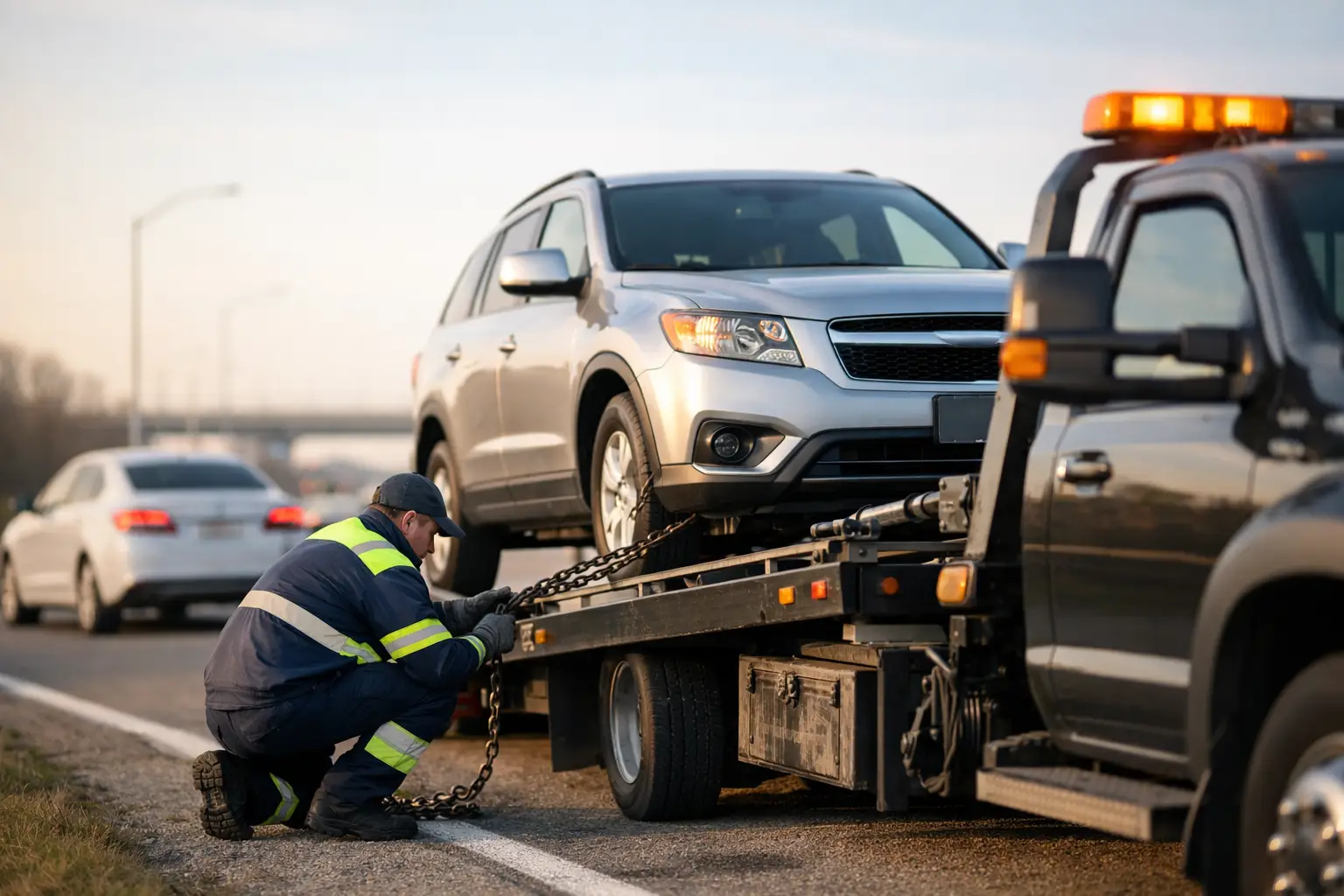
A breakdown in Kenner rarely happens at a convenient time. It hits during a commute on Williams Boulevard, outside a store parking lot, near the airport, or late at night when every extra minute feels longer than it is. In those moments, drivers do not need vague promises. They need a truck dispatched fast, a trained operator, and a clear plan to get the vehicle off the road safely.
This case study quick tow response Kenner breakdown scenario shows what actually matters when time, safety, and vehicle protection are on the line. The details will vary from one call to the next, but the response pattern is consistent: assess the risk, match the right truck, communicate clearly, and move without delay.
The situation: a stranded driver in Kenner
The call came from a driver dealing with a sudden mechanical failure on a busy stretch near a high-traffic corridor in Kenner. The vehicle had enough momentum to get to the shoulder, but not enough to make it to a repair shop or even a nearby lot. That matters, because the first few minutes after a breakdown often determine whether the situation stays manageable or becomes more dangerous.
The customer was stressed, unsure whether the vehicle needed a standard wheel-lift tow or flatbed transport, and concerned about traffic moving close to the disabled car. This is common. Most drivers are not expected to know towing equipment or recovery methods. They just need a provider that can ask the right questions and dispatch the right help the first time.
What made this case study quick tow response Kenner breakdown different
Not every breakdown call has the same urgency level, even when all of them feel urgent to the driver. In this case, several factors raised the priority.
First, the vehicle location created exposure to passing traffic. Second, the breakdown happened during a period when traffic flow was still active enough to increase risk. Third, the customer could not restart the vehicle, which ruled out simple roadside fixes like a jump-start. Once those facts were confirmed, the response was no longer just about convenience. It was about reducing roadside danger and preventing further vehicle damage.
That is where dispatch quality matters. A fast response is not only about sending the nearest truck. It is about sending the correct truck with an operator prepared for the vehicle type, the location, and the safest loading method.
Dispatch decisions that saved time
A quick response starts before the tow truck moves. It starts with the call.
The dispatcher gathered the essential details fast: exact location, lane or shoulder position, make and model, whether the steering was functional, whether the car could shift into neutral, and whether there were any visible hazards like leaking fluids or a dead battery. Those questions are not filler. They decide how the truck is routed, what equipment is needed, and how the operator approaches the scene.
In this case, the vehicle required secure transport rather than a roadside attempt to get it running. Because there was concern about avoiding any extra wear during loading, flatbed towing was the safer option. That choice can add protection, especially when a mechanical issue is not fully diagnosed yet.
The other time-saver was destination planning. Instead of waiting for the operator to arrive and then asking where to take the vehicle, the dispatch process confirmed the drop-off location in advance. That kept the job moving from pickup to delivery without back-and-forth delays.
Arrival speed matters, but so does scene control
A tow truck arriving quickly is only part of the job. The operator still has to control the scene.
When the truck reached the driver, the first priority was visibility and safety positioning. The operator assessed traffic flow, placed the truck to create a buffer, and made contact with the customer before beginning the hookup. That interaction matters more than many people realize. Drivers who are stranded are often shaken up, distracted, or worried about cost, damage, or being stuck for hours. A calm, direct explanation helps bring order to the situation immediately.
The operator then confirmed the vehicle condition in person and proceeded with loading. Because the breakdown involved mechanical uncertainty, careful handling was the priority. Fast does not mean rushed. If loading is done carelessly, the vehicle owner pays for that mistake later in tire wear, underbody contact, or transport-related damage.
Why the right equipment changed the outcome
In many Kenner breakdowns, the biggest delay comes from a mismatch between the job and the truck. A small passenger car, a low-clearance vehicle, a pickup, or an SUV can each require a different approach. Sending the wrong equipment may mean a second dispatch, and that is exactly what stranded drivers cannot afford.
In this case, the selected truck was equipped to load the vehicle securely without adding stress to an already compromised mechanical system. That decision reduced handling risk and kept the timeline tight. It also gave the customer confidence that the vehicle was not being treated like just another quick hookup.
This is one of the clearest lessons from any case study quick tow response Kenner breakdown review: speed only helps if it is paired with proper equipment and trained judgment.
Communication reduced customer stress
Breakdowns are not only mechanical problems. They are decision problems.
The driver needed to know three things right away: help was on the way, the vehicle would be moved safely, and the process would not drag out. Clear communication covered each point. The ETA was given early. The towing method was explained simply. The destination and next step were confirmed before transport began.
That level of communication often separates a professional tow from a frustrating one. Some customers mainly care about speed. Others care most about price. In a real roadside event, though, most people care about certainty. They want to know what is happening and what happens next.
Trade-offs in a real breakdown response
There is always some trade-off in towing, and honest service means saying that clearly.
The fastest possible hookup is not always the safest if the vehicle is in a bad position or if traffic makes loading more complicated. The cheapest towing method is not always the best choice if there is a risk of damage. A roadside fix may sound better than a tow, but if the problem is deeper than a dead battery or flat tire, waiting on a failed quick fix can waste valuable time.
That is why each call depends on the facts on the ground. In this Kenner case, secure towing was the right call because it reduced exposure time on the roadside and protected the vehicle from further harm. Another call might justify on-site roadside assistance first. The key is not forcing every situation into the same script.
What drivers in Kenner can learn from this
If your car breaks down, the fastest way to get moving again is to give accurate details at the start. Share your exact location, the vehicle type, whether it starts, whether it can roll, and where you want it taken. If you are in a dangerous spot, say that first.
It also helps to stay with the vehicle if it is safe to do so, turn on your hazard lights, and avoid trying repeated restarts if the problem could be mechanical. Repeated attempts can sometimes make things worse. If the vehicle is in traffic or a high-risk shoulder position, your personal safety comes before everything else.
For drivers who want less guesswork during a stressful call, this is what a solid response should look like: 24/7 dispatch, trained operators, licensed and insured service, equipment matched to the vehicle, and a clear arrival window. That is the baseline for dependable towing, not a bonus.
The bigger takeaway from this Kenner response
A breakdown response is won or lost in the small decisions. The right questions on the phone. The right truck on dispatch. The right loading method at the scene. The right communication with the customer. When those pieces line up, the result feels fast because it is organized.
That is the standard drivers should expect from a local tow company serving Kenner and the New Orleans area. If you need help now, the smartest move is simple: call a provider that can dispatch immediately, handle the vehicle safely, and get you off the roadside without adding more stress. For local drivers who want that kind of response, Zain Towing LLC is built around exactly that need.
When your vehicle quits, every minute feels expensive. The right tow response makes those minutes shorter, safer, and a lot easier to manage.
Need help right now?
Zain Towing runs 24/7 in Kenner, New Orleans, Metairie, Harahan and Gretna. Call (504) 666-9099 or see our towing service, roadside assistance and New Orleans pages.