Light Duty vs Medium Duty Towing
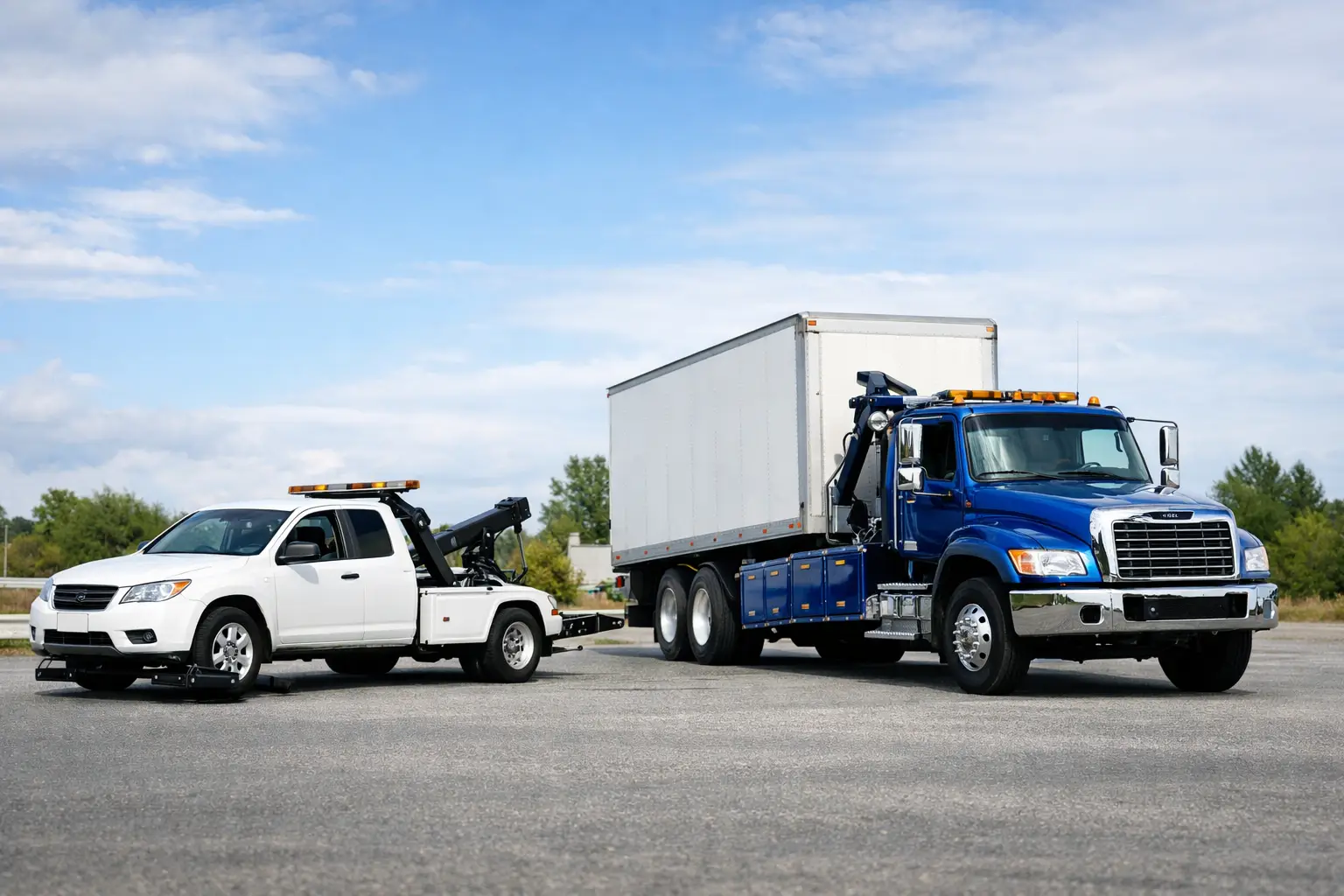
Your vehicle is stuck on the shoulder, the flashers are on, and the first question is not technical - it is practical. When you call for help, you need the right truck sent the first time. That is where light duty vs medium duty towing matters. The difference affects safety, arrival efficiency, pricing, and whether your vehicle is moved without added damage.
For most drivers in Kenner and New Orleans, this is not something you think about until you need a tow right now. Cars, SUVs, pickups, work vans, small RVs, motorcycles, and trailers do not all belong on the same kind of tow truck. A professional dispatcher asks the right questions so the operator arrives with the correct equipment, secure tie-downs, and enough towing capacity for the job.
What light duty vs medium duty towing really means
The basic difference comes down to vehicle size, weight, and the equipment required to move it safely. Light-duty towing is designed for everyday passenger vehicles and smaller loads. Medium-duty towing is for heavier vehicles that are too large for a standard tow setup but do not require heavy-duty recovery equipment.
That sounds simple, but the gray area is where people get confused. A half-ton pickup may still fit within light-duty service in some situations. A loaded cargo van, a larger truck, or a box truck may need medium-duty towing because the gross vehicle weight changes the equipment required. That is why dispatch should ask for the year, make, model, and whether the vehicle is loaded, damaged, stuck, or just needs transport.
Light-duty towing: what it usually covers
Light-duty towing is the most common service call. It typically covers sedans, coupes, small crossovers, many SUVs, motorcycles, and standard pickup trucks. If your vehicle is the kind you drive to work, school, the airport, or around town, there is a good chance it falls into this category.
This type of towing often uses flatbeds or wheel-lift trucks depending on the situation. Flatbed towing is usually the safest option when damage prevention is the priority, especially for all-wheel-drive vehicles, lowered cars, luxury vehicles, and motorcycles. A wheel-lift may be appropriate for shorter local moves or situations where access is tight.
Common light-duty calls include breakdowns, dead batteries, lockouts, flat tires, accident tows, and non-emergency transport to a repair shop. It is also the right fit for many local and long-distance hauls involving personal vehicles.
Medium-duty towing: when a bigger truck is required
Medium-duty towing steps in when the vehicle is too heavy or too large for a standard tow truck. This often includes larger pickup trucks, cargo vans, delivery vans, small box trucks, shuttle vans, work trucks, step vans, and some RVs or commercial units.
The reason this matters is not just power. Medium-duty equipment is built for higher weight ratings, stronger lifting capability, and better stability during transport. Trying to move a heavier vehicle with the wrong truck can create a safety risk and increase the chance of suspension damage, drivetrain issues, or loading problems.
For business owners, contractors, and drivers moving equipment around the New Orleans area, medium-duty towing is often the right answer when a work vehicle breaks down. It is also common after accidents where a van or truck needs secure transport off the road fast.
How dispatch decides which tow truck to send
A good towing company does not guess. It dispatches based on the vehicle and the real conditions at the scene. The operator needs to know more than whether it is a car or a truck.
Weight is the first factor, but it is not the only one. Vehicle length, wheelbase, clearance, drivetrain, damage location, and whether the vehicle is loaded all matter. A pickup with a trailer hitch and equipment in the bed is different from the same truck empty. A van with front-end damage may need a flatbed even if its size would normally allow another towing method.
Location matters too. A vehicle in a parking garage, a narrow street, or soft roadside conditions may require different equipment than one parked cleanly on a shoulder. In emergency situations, speed matters, but accuracy matters just as much. Sending the wrong truck wastes time when you are already stranded.
Light duty vs medium duty towing for common vehicles
If you are trying to figure it out quickly, think in broad categories. Most cars, small SUVs, and motorcycles are light duty. Many full-size SUVs and standard pickups may still be light duty, depending on their weight and condition. Larger vans, heavier pickups, utility trucks, small commercial vehicles, and some RVs often fall into medium duty.
The problem is that there is overlap. A vehicle that looks like it should be light duty may cross into medium duty once it is loaded with passengers, tools, inventory, or equipment. That is why the safest move is to give the dispatcher exact details instead of estimating.
Why the right towing class protects your vehicle
The wrong tow setup can turn a bad day into an expensive one. If the truck is undersized, the operator may not have the correct lifting power or tie-down configuration. If the towing method is wrong for your drivetrain or ground clearance, parts of the vehicle can be stressed during loading or transport.
Professional towing is about more than pulling a vehicle from point A to point B. It is about secure loading angles, balanced weight distribution, proper attachment points, and insured handling by trained operators. That is especially important after a collision, when steering or suspension components may already be compromised.
This is one reason many drivers prefer licensed and insured service with a dedicated fleet instead of rolling the dice on whoever answers first. The right company asks better questions and shows up prepared.
What this means for cost and response time
Many customers ask whether medium-duty towing costs more than light-duty towing. Usually, yes. The equipment is larger, capacity is higher, and the job may require more setup or specialized handling. But cheaper is not always better if it means delays or the wrong truck arriving first.
Response time can also depend on towing class. Light-duty units are often more available because those are the most common calls. Medium-duty trucks are more specialized. That makes accurate dispatch even more important, especially if you are on a tight schedule, blocking traffic, or dealing with a work vehicle that needs to be moved fast.
If a towing company has both light- and medium-duty capability, the process is smoother. The dispatcher can match the truck to the job without bouncing you between providers.
When roadside help is enough and when you need a tow
Not every call turns into a tow. If your issue is a dead battery, flat tire, or lockout, roadside assistance may get you moving again without transport. But if the vehicle has mechanical failure, collision damage, drivetrain issues, or unsafe tire or wheel damage, towing is usually the safer choice.
This matters because some drivers assume a quick fix is always the cheaper option. Sometimes it is. Other times, trying to force the vehicle back on the road can make the damage worse. If the car, truck, or van is not safe to drive, towing is the better call.
What to tell the dispatcher
If you need help now, keep it simple and specific. Give your exact location, the year, make, and model of the vehicle, whether it is loaded, and what happened. Mention if the vehicle is stuck in mud, involved in an accident, in a garage, or showing visible damage to the wheels or axle.
Also say where the vehicle needs to go. Local shop, body shop, home, dealership, or another city - destination affects routing and the kind of truck that may be best for the trip. A fast, accurate dispatch starts with good information.
In the Kenner and New Orleans area, that kind of clear communication helps get the right operator out quickly. Companies like Zain Towing LLC build their service around that exact moment - when a stranded driver needs fast answers, safe handling, and a truck that matches the job.
The bottom line for drivers in New Orleans and Kenner
If you remember one thing, make it this: light-duty towing is for standard passenger vehicles and smaller loads, while medium-duty towing is for heavier, larger vehicles that need more capacity and stronger equipment. The tricky part is that some trucks, vans, and SUVs can fall either way depending on weight, damage, and what they are carrying.
That is why the best move is not to guess. Call a licensed, insured towing company that can ask the right questions and dispatch the right truck fast. When you are already dealing with a breakdown, accident, or roadside problem, getting the right tow the first time is what gets you out of traffic, protects your vehicle, and lowers the stress level right away.
If you are ever unsure whether your vehicle needs light-duty or medium-duty towing, treat that uncertainty as a reason to call sooner, not later. A quick conversation with dispatch can save you time, prevent extra damage, and get the right help on the way.
Need help right now?
Zain Towing runs 24/7 in Kenner, New Orleans, Metairie, Harahan and Gretna. Call (504) 666-9099 or see our towing service, roadside assistance and New Orleans pages.