Local or Long Distance Towing Explained
A dead battery in your driveway is one thing. A disabled vehicle on I-10, a post-accident tow across town, or a planned move to another city is a very different call. When drivers need local or long distance towing, the right choice depends on distance, vehicle type, timing, and how much protection the vehicle needs during transport.
If you are stuck in Kenner, New Orleans, or nearby, the first priority is simple - get a qualified tow truck on the way fast. After that, it helps to know what kind of towing service fits your situation so you can avoid delays, prevent damage, and get an accurate quote the first time.
What local or long distance towing really means
Local towing usually covers shorter trips within the same city or surrounding metro area. That might mean moving a car from a parking garage to a repair shop, towing an SUV from a neighborhood street after it will not start, or transporting a motorcycle across town. In most cases, local towing is the right fit when the destination is nearby and the goal is quick recovery and drop-off.
Long distance towing is used when the vehicle needs to go much farther than a standard in-town tow. That could mean moving a car to another part of Louisiana, hauling a vehicle to a different state, or arranging transport after a breakdown far from home. These jobs require more planning, route coordination, and attention to how the vehicle is secured for the trip.
The line between local and long distance is not always exact. Some tows fall into a middle range where pricing and equipment depend on the route, traffic, vehicle condition, and whether special handling is required. That is why a fast quote based on your exact pickup and destination is the best way to know what service you need.
When local towing makes the most sense
Local towing is often an urgent service. If your car will not start before work, you have a flat tire with no spare, your engine overheats in traffic, or you are dealing with accident recovery, a nearby tow is usually the fastest and most practical option.
For most drivers, local towing is about reducing downtime. You want your vehicle moved safely from the roadside, parking lot, home, or accident scene to a repair facility, body shop, dealership, or another secure location. The shorter distance does not make the job less important. In many cases, fast dispatch and proper loading matter more than anything else.
This is also where local knowledge helps. Busy roads, narrow streets, apartment complexes, flood-prone areas, and high-traffic corridors around the New Orleans metro can all affect access and arrival time. A towing company that knows the area can dispatch the right truck and avoid wasting time.
When long distance towing is the better option
Long distance towing is not just for major breakdowns. Sometimes the vehicle runs, but you do not want to put extra miles on it. Sometimes it is not safe or legal to drive. And sometimes the destination is too far to risk a roadside issue on the way.
This kind of towing is common for moves, relocations, college drop-offs, classic car transport, dealership transfers, and situations where a vehicle needs to return home after a mechanical failure. It can also make sense after an accident if the owner wants the vehicle taken to a trusted repair shop outside the immediate area.
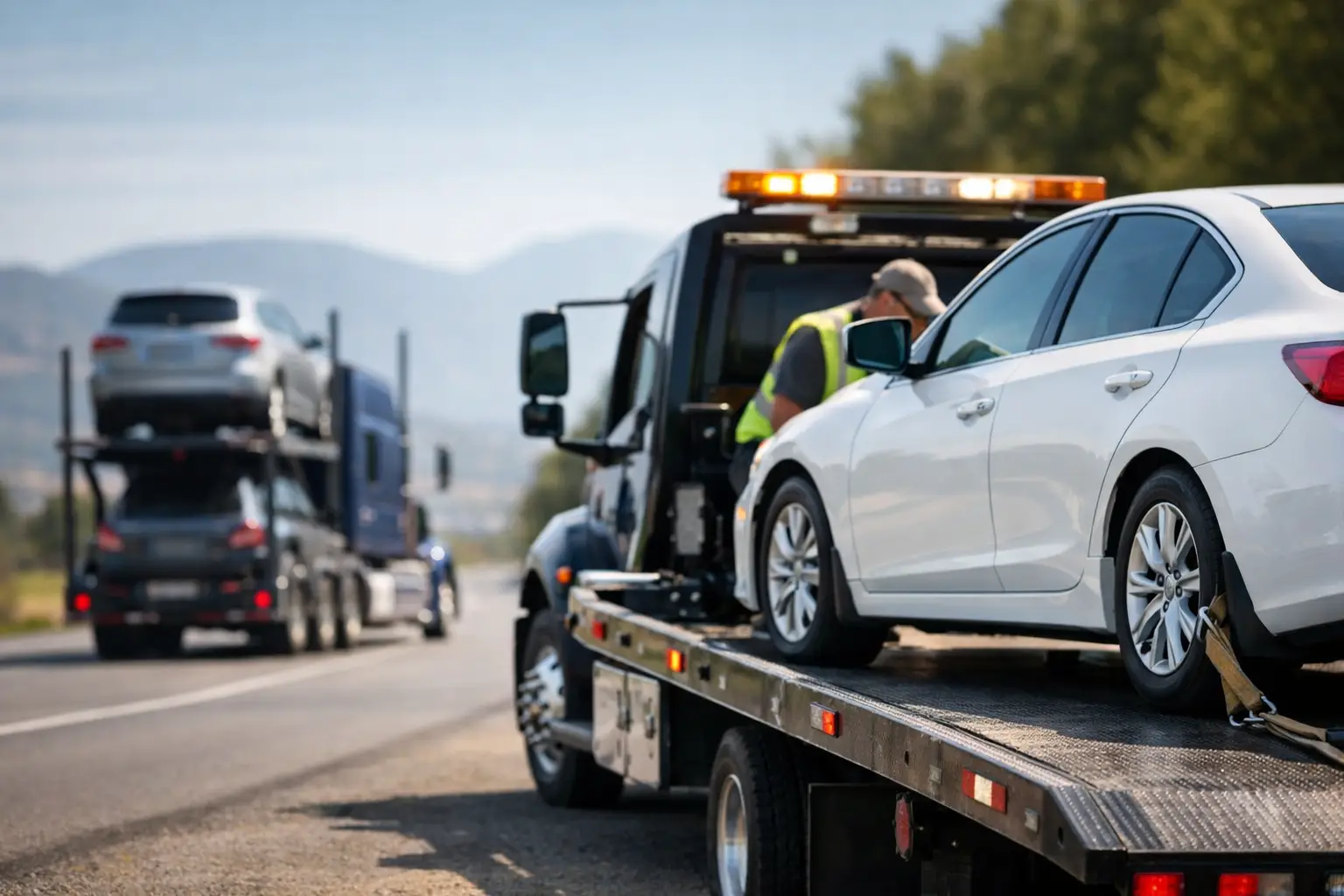
For longer hauls, flatbed towing is often the safest choice. Keeping all four wheels off the road reduces wear and helps protect lower-clearance vehicles, luxury cars, motorcycles, and damaged vehicles. The longer the distance, the more important that protection becomes.
Local or long distance towing: what affects the price
Most drivers want the same answer first - how much will it cost? The honest answer is that it depends on the job details. Distance is a major factor, but it is not the only one.
Vehicle size and weight matter because different vehicles require different trucks and loading methods. A compact car is not priced the same as a pickup, SUV, work van, or RV. Condition matters too. A vehicle that rolls and steers is easier to load than one with collision damage, locked wheels, or suspension problems.
Location also affects cost. A straightforward pickup from a driveway is different from a vehicle stuck in a tight garage, soft shoulder, flooded area, or accident scene. Time of day can matter as well, especially when heavy traffic, overnight dispatch, or difficult recovery conditions are involved.
For long distance towing, route planning becomes part of the job. Fuel, travel time, mileage, and the type of transport all play a role. The best way to avoid surprises is to provide accurate information when you request service - where the vehicle is, what it is, what shape it is in, and exactly where it needs to go.
Why the right equipment matters
Not every tow should be handled the same way. Using the wrong equipment can lead to delays or damage, especially with all-wheel-drive vehicles, lowered cars, motorcycles, or vehicles that have already been damaged in an accident.
Flatbed towing is often the preferred option when safety and damage prevention are top priorities. It provides stable transport and helps protect tires, driveline components, and body panels. Wheel-lift towing can still be appropriate in certain local situations, especially when access is limited or the tow is short, but the right method depends on the vehicle and the circumstances.
This is where trained operators make a real difference. Proper loading angles, tie-down points, and securement are not small details. They are what separate a professional tow from a risky one.
How to choose a towing company when you are under pressure
When you are stranded, it is easy to focus only on who can get there first. Speed matters, but it should come with professionalism. You want a company that is licensed and insured, uses trained operators, and can clearly explain what happens next.
A good dispatcher should ask the right questions right away. They should confirm your location, vehicle type, condition, and destination. They should also tell you what kind of truck is being sent and give a realistic arrival window. If a company sounds vague about equipment, pricing, or timing, that is usually a warning sign.
If you need local or long distance towing in a hurry, look for a service that handles both emergency calls and scheduled transport. That flexibility matters because not every tow is a breakdown. Some are planned moves, dealership deliveries, or non-running vehicle transfers that still require secure handling and on-time service.
What to do before the tow truck arrives
If you are in an unsafe location, move yourself to a safer spot if possible and call for help immediately. Turn on your hazard lights and stay clear of traffic. If the vehicle is drivable enough to roll to the shoulder, that can make the scene safer, but do not push your luck if the car is overheating, damaged, or acting unpredictably.
Before the truck arrives, gather the basics. Have your pickup address or nearest landmark ready, along with the destination. Remove personal valuables if you can do so safely. If the vehicle has special issues like being stuck in park, sitting very low, or having a broken axle, mention that up front. Small details can change what equipment is needed.
If this is a planned long-distance transport, make sure the drop-off contact, access instructions, and timing are clear. A smooth handoff saves time and keeps the move on schedule.
Fast service matters, but safe service matters more
No driver wants to wait on the side of the road. Quick dispatch can make a bad situation feel manageable again. That said, speed should not come at the expense of secure transport. The real value in towing is not only arrival time. It is getting your vehicle loaded correctly, moved without added damage, and delivered where it needs to go.
That is especially true for families, commuters, rideshare drivers, and travelers who cannot afford extra problems after a breakdown. A professional tow should lower stress, not create more of it.
In the Kenner and New Orleans area, Zain Towing LLC handles both urgent local calls and longer hauls with trained operators, proper equipment, and 24/7 dispatch. Whether you need a short tow to a nearby shop or safe transport to a farther destination, the best next step is to call now, share the details, and get the right truck sent out.
When your vehicle cannot stay where it is, the decision does not have to be complicated - match the tow to the distance, choose a company that treats safety seriously, and get moving before a small problem becomes a bigger one.
Need help right now?
Zain Towing runs 24/7 in Kenner, New Orleans, Metairie, Harahan and Gretna. Call (504) 666-9099 or see our towing service, roadside assistance and New Orleans pages.