
Louisiana Rental Car Towing Rules
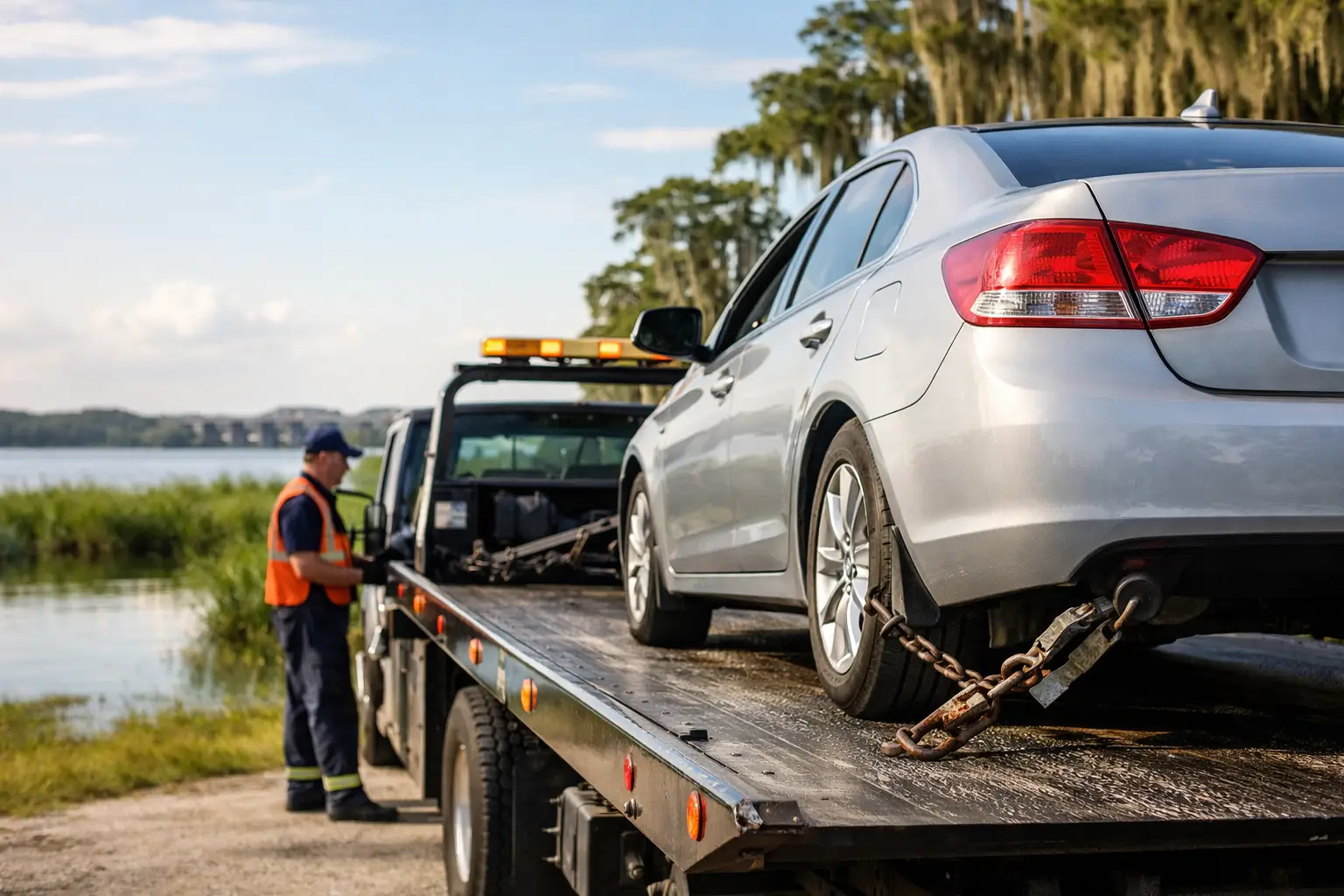
A rental car breaks down on I-10, the warning lights come on, and now you have two problems instead of one. First, you need to get out of traffic safely. Second, you need to avoid turning a simple tow into a contract violation, extra bill, or insurance headache.
That is where rental car towing rules in Louisiana matter. The short version is simple: if you are driving a rental, you usually cannot treat it like your own vehicle when it needs towing. The rental company, your roadside coverage, the police at the scene, and the tow operator may all have a say in what happens next.
What rental car towing rules in Louisiana usually mean
Louisiana does not have one special rulebook written only for rental cars being towed. What usually controls the situation is a mix of traffic law, local enforcement procedures, your rental agreement, and the practical requirements of the rental company itself.
That means the answer is often: it depends.
If the car simply will not start in a hotel parking lot, you may have time to call the rental company and follow its roadside process. If the vehicle is disabled after a crash on a busy New Orleans road, law enforcement or emergency responders may direct the tow immediately for safety reasons. In that case, your first priority is clearing the roadway and protecting everyone at the scene.
The biggest mistake drivers make is assuming they can call any truck, send the car anywhere, and sort it out later. Sometimes that works. Sometimes it creates extra charges, delays, and disputes over unauthorized towing or handling.
Start with the rental agreement, not a guess
Most rental contracts say some version of the same thing: if the vehicle is disabled, damaged, stuck, or unsafe to drive, you must notify the rental company as soon as possible. Many major rental brands also have their own roadside assistance line and preferred towing process.
That matters because the company may require the vehicle to go to a specific location, such as one of its branches, a partner repair facility, or an approved storage lot. If you authorize a tow on your own without checking, the rental company may still accept it, but it may also question who ordered it, whether the rate was reasonable, and whether the tow destination was approved.
You should also expect restrictions on who can work on the vehicle. In most cases, the renter is not supposed to authorize repairs beyond very limited emergency help like a tire change or jump-start, unless the rental company approves it first.
When police can override your preferred towing plan
In Louisiana, if a rental car is wrecked, blocking traffic, abandoned in a travel lane, or creating a safety hazard, officers may order the vehicle removed. On a highway shoulder or after an accident, you may not have the luxury of waiting for your rental company to coordinate everything.
This is especially common after collisions, spinouts, flooding events, and breakdowns in dangerous traffic conditions. Public safety comes first. The car may be towed to a storage facility or impound lot before the rental company is even reached.
If that happens, do not argue at the roadside. Instead, get the exact tow company name, truck number if available, storage location, and any incident or crash report information. Then call the rental company right away and give them those details.
Louisiana roadside reality: consent tow vs. non-consent tow
A useful way to think about rental car towing rules in Louisiana is the difference between a consent tow and a non-consent tow.
A consent tow is when you or the rental company requests the service. A non-consent tow usually happens because law enforcement, a property owner, or another authorized party orders removal. The pricing, paperwork, and release process can be different.
For renters, this distinction matters because a non-consent tow can move fast and cost more than expected. There may be storage fees, administrative fees, or limited release procedures. If the rental vehicle was parked improperly, left on private property, or removed after a crash investigation, the rental company may still hold the renter financially responsible depending on the circumstances.
What you should do before any tow happens
If the scene is safe and you have a choice, make a few calls before authorizing anything. Call the rental company first. If you purchased its roadside package, use that number. If you declined it, still call them before arranging outside towing unless the vehicle is in immediate danger.
Then document the car. Take clear photos of all sides, the interior if relevant, the odometer, the fuel level, and the exact location. If there is damage, get close-up and wide-angle shots. This protects you if there is later confusion about when the damage happened.
It also helps to ask one direct question: Where does the rental company want the vehicle to go? That single answer can prevent a lot of trouble.
Who pays for towing on a rental car
This is where drivers get surprised.
If the breakdown was mechanical and not caused by misuse, many rental companies will cover towing through their own roadside system. If you bought the rental company's roadside assistance add-on, coverage is often broader, though not always unlimited.
If the problem came from something renter-related, such as running out of gas, locking the keys inside, damaging a tire, getting stuck in mud, or using the vehicle in a prohibited way, the charges may land on you. If there was a crash, payment can involve your personal auto insurance, the rental company's protection products, a credit card benefit, or some mix of all three.
The hard part is that towing bills are not the only cost. Storage fees, after-hours release fees, admin fees, and loss-of-use claims can get added later. That is why fast communication matters.
Common situations where towing rules get stricter
Some scenarios bring more risk than others.
If the rental car is stuck in sand, floodwater, a ditch, or a parking garage with clearance issues, recovery is more complicated than a basic tow. The rental company may want a specific operator with the right equipment to reduce underbody, drivetrain, or body damage.
If the car is an SUV, pickup, electric vehicle, or luxury model, the towing method matters even more. Not every vehicle should be pulled the same way. Flatbed towing is often the safer choice for modern rentals, especially if there is accident damage, wheel damage, or uncertainty about drivetrain configuration.
And if the car is in New Orleans during a parade route closure, flood-prone area, or tight urban street, timing matters. Delays can turn a manageable problem into a storage or enforcement issue quickly.
How to avoid extra charges and damage claims
The safest move is not always the cheapest move in the moment. A rushed hookup by the wrong truck can create more expensive problems than the original breakdown.
Ask whether the tow company is licensed and insured. Ask where the vehicle will be taken before it is moved. Ask for a receipt or service record. If you remove personal property from the rental, do it before the vehicle leaves when possible, because getting back into a stored rental later may require extra coordination.
You should also avoid telling a tow provider to "just take it somewhere nearby" unless the rental company has approved that plan. A nearby lot may be convenient for the tow, but not for the rental company or your final bill.
If you are stranded in the Kenner or New Orleans area
When a rental vehicle is disabled, speed matters, but so does handling it correctly. If the rental company authorizes outside towing or you need immediate local help while sorting out the next step, work with a provider that understands secure transport, proper equipment selection, and documentation. In a high-stress situation, that is not a small detail. It is what helps keep a roadside problem from becoming a claims problem.
For local drivers and travelers in the area, Zain Towing LLC can assist with fast-response towing and roadside service when a disabled vehicle needs professional handling. The key is making sure the tow matches the rental company's instructions when those instructions apply.
FAQs about rental car towing rules in Louisiana
Can I tow a rental car myself with a rope or dolly?
In almost every real-world situation, that is a bad idea and may violate the rental contract. It also raises serious safety and damage concerns. Use a professional tow service.
Can a rental company charge me after the tow even if I returned the car later?
Yes. If the company finds unauthorized towing, improper recovery, new damage, storage charges, or contract violations, it may bill you after the fact.
What if I cannot reach the rental company?
If the vehicle is in a dangerous location, get it moved safely first and keep records of why immediate towing was necessary. Then continue trying the rental company and document the time of your calls.
Does Louisiana require the tow company to release the car to me?
Not always. Release rules can depend on who ordered the tow, whether police were involved, and whether the rental company instructs the facility directly.
A breakdown in a rental car is stressful enough. The best move is simple: protect the scene, call the rental company fast, document everything, and make sure the tow is done the right way the first time.
Need help right now?
Zain Towing runs 24/7 in Kenner, New Orleans, Metairie, Harahan and Gretna. Call (504) 666-9099 or see our towing service, roadside assistance and New Orleans pages.