Medium Duty Towing: What It Covers and Why
When your SUV, work van, or loaded pickup won’t move, the problem isn’t just “I need a tow.” The real question is: what kind of tow keeps your vehicle safe, keeps traffic flowing, and gets help on scene fast without turning a bad day into a damage claim.
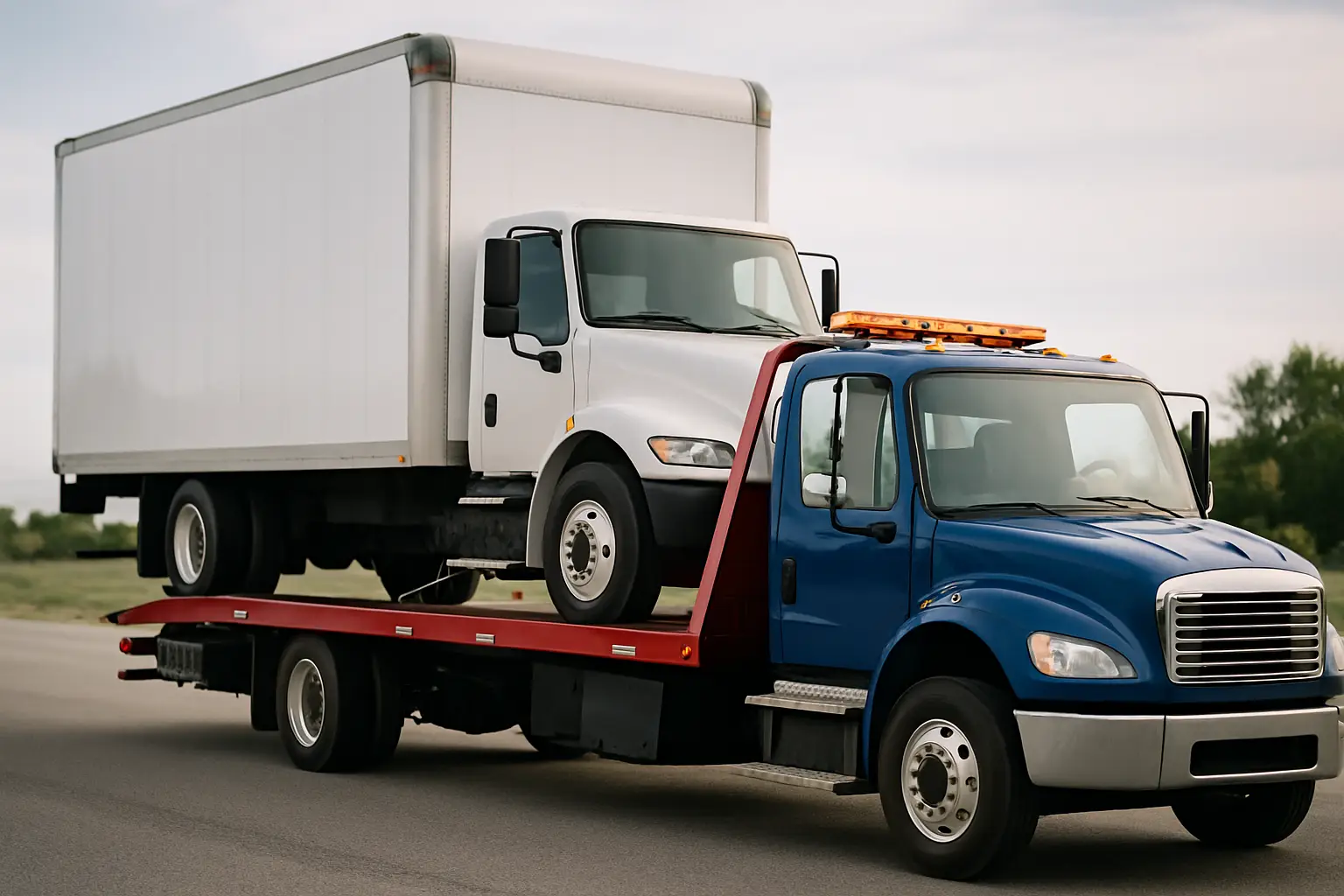
That’s exactly where a medium duty towing service comes in. It sits in the sweet spot between a basic light-duty tow and heavy recovery - built for vehicles that are too big, too long, or too loaded for a standard wrecker, but not in the full tractor-trailer category.
What counts as a medium duty towing service?
Medium duty towing is designed for vehicles that push past what a typical light-duty truck should handle safely. Weight is part of it, but so is wheelbase, ride height, drivetrain layout, and how the vehicle is loaded.
In real life around Kenner and New Orleans, “medium duty” often means the vehicles you see every day doing real work or carrying real people: larger pickups, cargo vans, service trucks, small box trucks, and some RVs. If it feels “too much” for a regular tow truck - or if you’ve ever watched a driver hesitate when they see your vehicle - that’s your signal that you’re in medium-duty territory.
Medium duty towing is not a one-size-fits-all job. The right approach depends on whether the vehicle is drivable, where it’s sitting (shoulder, ditch, garage, tight lot), and what kind of failure you’re dealing with.
Common situations where medium duty towing is the right call
Most people only think about towing after an accident or breakdown. But medium duty calls are often a mix of emergencies and “this can’t wait until Monday” problems.
A few of the most common reasons drivers request medium duty towing in the metro area include dead transmissions, overheated engines, steering or suspension failures, and collisions that lock up a wheel or shift the alignment so badly the vehicle won’t track straight. Another big one is tire problems on vehicles with heavier loads - even a single blowout can leave you stuck if you don’t have a safe place to change it.
There’s also the “it runs, but it shouldn’t be driven” situation. If the vehicle is leaking fluid, wobbling, stuck in limp mode, or the brakes feel unsafe, driving it can turn a repairable problem into a total loss.
Flatbed vs. wheel-lift for medium-duty vehicles
The towing method matters because medium duty vehicles have more ways to get damaged: longer frames, bigger bumpers, lower air dams, rear overhang, and drivetrains that don’t like being dragged.
A flatbed is often the cleanest solution because the whole vehicle rides on the bed. That reduces the risk of drivetrain damage and keeps all wheels off the road. It’s especially helpful for AWD vehicles, vehicles with unknown mechanical issues, or vehicles that have been in a crash.
A wheel-lift setup can still be a good option for certain situations, especially when access is tight or a quick relocation is needed. The trade-off is that you have to be correct about which wheels are lifted and how the vehicle is secured. Getting that wrong can damage transmissions, transfer cases, and suspension components.
If you’re unsure, tell dispatch what you’re driving and what happened. A good operator will match the equipment to the vehicle, not the other way around.
Why “medium duty” is about safety, not just size
Towing is controlled risk. With medium duty vehicles, the risks go up because the forces go up.
A heavier vehicle changes braking distance, stopping dynamics, and how the tow truck handles lane changes and turns. It also changes the recovery plan if the vehicle is off the road. Pull angles, winch loading, and anchor points matter more, and a rushed hookup can bend components you didn’t even know were part of the tow.
Damage prevention isn’t just about being careful. It’s about using the correct attachment points, proper straps and chains, correct bed angle and winch technique, and knowing when the safest move is to slow down and reposition instead of forcing it.
What to tell dispatch to get the right truck fast
If you’re stranded on I-10, Veterans, Airline, or anywhere traffic is moving fast, speed matters. But speed starts with the right information.
When you call, share the basics first: your exact location, direction of travel, and whether you’re in a safe spot. Then get specific about the vehicle. The make, model, and whether it’s 2WD or AWD helps. So does telling dispatch if it’s loaded, towing a trailer, or has a flat tire.
If there’s been an accident, say whether airbags deployed, whether a wheel is bent inward, or whether fluid is leaking. If you can’t steer it or it won’t roll, that changes the equipment needed and the approach on scene.
You don’t have to speak “towing.” Just describe what you see and what the vehicle will or won’t do.
Pricing and expectations: what affects a medium duty tow
Medium duty towing costs can vary more than light-duty because the job can be simple transport or it can involve recovery, traffic hazards, or extra labor.
Distance is a factor, but it’s not the only one. Access matters a lot. A vehicle in a parking lot is different from one on a narrow shoulder, in mud, or angled into a ditch. Time of day can matter too, since after-hours calls require immediate dispatch and the right operator.
It also depends on what you need done. A straightforward tow to a nearby shop is different from a long-distance haul, a winch-out, or a situation where the vehicle needs to be carefully loaded due to damage.
If you want fewer surprises, ask for an estimate based on your pickup point and destination, and be clear about the vehicle condition. The more accurate the picture, the more accurate the quote.
Medium duty recovery: when it’s more than a tow
Sometimes the vehicle isn’t just broken - it’s stuck.
Recovery can mean a van that slid off a wet shoulder, a truck that bottomed out on a curb, or a vehicle that’s in a spot where it can’t be safely driven or rolled. In these cases, the first goal is to stabilize and reposition the vehicle without causing additional damage.
That may involve winching, controlling the pull angle, and using the right rigging so the vehicle comes out clean. The trade-off is time: a careful recovery can take longer than a “hook and go,” but it’s often the difference between a tow bill and a tow bill plus bodywork and suspension repairs.
Special considerations for AWD, lifted, and commercial vehicles
Some vehicles look normal but tow differently.
AWD and 4WD vehicles often need all wheels off the ground to prevent drivetrain damage, especially if the vehicle can’t be put into the correct mode or if there’s uncertainty about mechanical condition. Lifted trucks can create loading angle issues on flatbeds, and low front-end clearance on certain vans and SUVs can scrape if the bed angle isn’t managed correctly.
Commercial and fleet vehicles add another layer. Toolboxes, ladder racks, interior cargo, and loaded shelves can shift during transport if the vehicle isn’t secured properly. If it’s a business vehicle, downtime is money, and you usually need the tow done right the first time so it can go straight into repair.
What “licensed and insured” should mean to you
When you’re stressed on the side of the road, it’s easy to focus only on arrival time. But with medium duty towing, protection matters.
A licensed and insured towing provider is a baseline trust marker because it signals legitimate operations, trained staff, and coverage if something goes wrong. It doesn’t guarantee perfection, but it does reduce your exposure compared to a random operator with the wrong equipment.
If you’re moving a vehicle that’s worth real money - or that’s tied to your job - don’t treat towing like a commodity. Treat it like transport with liability.
How to stay safe while you wait
If your vehicle is disabled, your first job is to avoid becoming the next emergency.
If you can, move to a safe location. Turn on hazards. Stay out of traffic lanes, and don’t stand between vehicles. On high-speed roads, it’s usually safer to stay inside with your seatbelt on if you’re fully off the roadway and conditions allow, but it depends on where you are and what’s happening around you. If you’re in an exposed spot or you feel unsafe, get to a protected area away from traffic.
When the tow truck arrives, let the operator take control of the scene. They’ll position the truck to create a safety buffer and set up the safest loading plan.
Getting the tow handled fast in Kenner and New Orleans
Medium duty towing is one of those services you only notice when you need it - and when you need it, you need it now. If you’re in the Kenner or New Orleans area and you want a fast dispatch with professional handling, Zain Towing LLC is set up for 24/7 response with trained operators and the right equipment for secure transport.
A tow should reduce your stress, not add to it. Give dispatch clear details, prioritize safety while you wait, and choose a provider that treats your vehicle like it has to be delivered in the same condition it was picked up.
If you’re stuck, the next step is simple: get to a safe spot, make the call, and let a capable medium duty team take it from there.
Need help right now?
Zain Towing runs 24/7 in Kenner, New Orleans, Metairie, Harahan and Gretna. Call (504) 666-9099 or see our towing service, roadside assistance and New Orleans pages.