
Motorcycle Towing Service Options That Fit
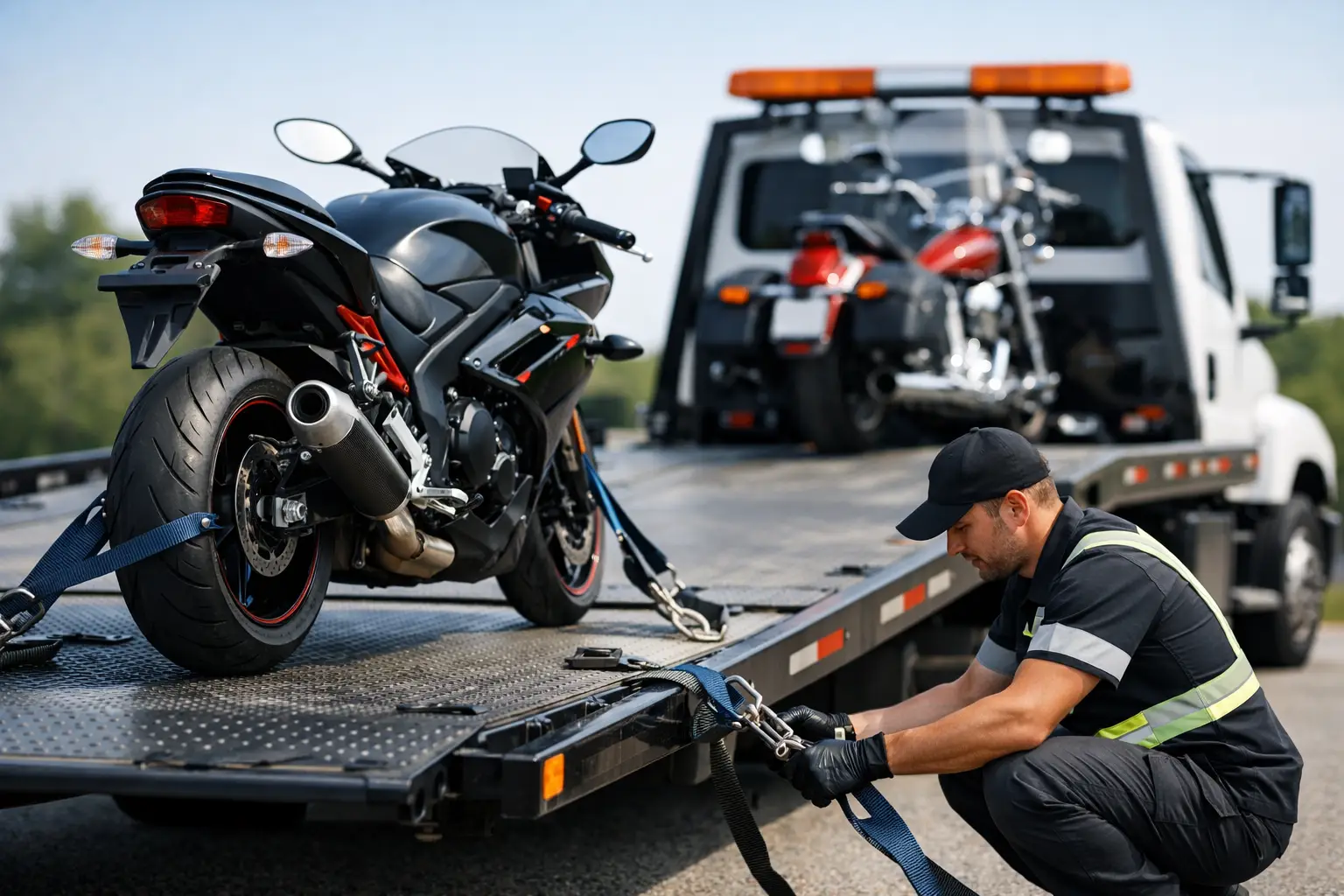
A motorcycle on the shoulder needs a different response than a car with a flat. That is why motorcycle towing service options matter. The right truck, the right tie-down points, and the right operator can be the difference between a safe transport and avoidable damage to your bike.
If you are stranded in Kenner or anywhere around New Orleans, speed matters, but so does handling. A motorcycle has fewer contact points, more exposed parts, and a higher risk of tipping if it is loaded the wrong way. When you call for help, you should know what kind of service you are getting and whether it matches your bike, your location, and the reason you need transport.
What motorcycle towing service options actually include
Not every tow for a motorcycle looks the same. Some calls are true emergencies after a breakdown or accident. Others are planned moves, like transporting a bike to a repair shop, a dealership, a storage unit, or a new home.
The main motorcycle towing service options usually include flatbed towing, trailer-based motorcycle transport, recovery after an accident, and roadside help when the bike may not need a tow at all. In some situations, long-distance hauling is the better fit than a local tow. In others, a quick tire service or jump-start can save you time and money if the motorcycle can be made road-ready on site.
That is where experience matters. A dispatcher should ask the right questions up front: Is the motorcycle upright or down? Is there visible damage? Is it in a garage, parking deck, shoulder, ditch, or driveway? Can it roll freely? The answers determine the safest equipment to send.
Flatbed towing is often the safest choice
For many riders, a flatbed is the preferred option because it gives the operator a stable platform to load and secure the motorcycle. This setup reduces the chance of shifting during transport and helps protect fairings, forks, wheels, and frame components.
A proper motorcycle load on a flatbed is not just about getting the bike onto the truck. It needs the right straps, soft tie-down methods where appropriate, and careful positioning so the suspension is not stressed more than necessary. A trained tow operator will also watch for low-clearance issues, aftermarket parts, saddlebags, and custom accessories that can change the loading angle.
Flatbed towing is especially useful after a crash, when the condition of the motorcycle may not be obvious. If the front wheel is bent, if fluids are leaking, or if parts are hanging loose, forcing movement can make things worse. A flatbed gives more control and usually the best protection in these situations.
Trailer transport can work well in the right situation
Trailer-based towing is another option, especially for planned transport or when a dedicated motorcycle trailer is available. This can be a solid choice for moving a bike across town or over a longer distance if the equipment is designed specifically for motorcycles.
The trade-off is simple. Trailer transport can be perfectly safe when done correctly, but it depends heavily on the trailer setup and the operator's experience securing motorcycles. A general-use trailer without proper wheel chocks or secure anchor points is not the same as purpose-ready motorcycle transport.
If you are arranging a non-emergency move, ask how the bike will be loaded and secured. That one question tells you a lot about whether the service takes motorcycle handling seriously.
Roadside help may be enough
Sometimes you do not need a tow at all. If the issue is a dead battery, a minor tire problem, or another small roadside issue, on-site assistance may be faster and less expensive than transport.
This is one of the more overlooked motorcycle towing service options because many riders assume every breakdown means a trip to the shop. Not always. If the problem can be addressed safely where you are, roadside help can get you moving again without the delay of loading and unloading the bike.
That said, motorcycles leave less room for compromise than passenger vehicles. A tire issue that might be manageable enough to move a car a short distance is often a hard stop on a bike. The same goes for anything that affects balance, steering, or braking. If there is any doubt, towing is the safer call.
Accident recovery requires more than basic towing
When a motorcycle has been involved in a collision, recovery is a separate category from a standard tow. The operator may need to recover the bike from an awkward position, clear debris concerns, or move a damaged motorcycle that cannot be rolled normally.
In these cases, the priority is controlled handling and damage prevention. Accident recovery often calls for more caution than speed, even though both still matter. The right provider will secure the motorcycle carefully, account for damaged components, and transport it to your home, repair facility, or another destination you choose.
If you have been in an accident, tell dispatch whether the bike is on its side, whether police are on scene, and whether fluids are leaking. That helps get the right truck out faster.
Choosing between local and long-distance motorcycle transport
Some motorcycle tows are short and simple. Others involve moving the bike across the metro area or farther out of town. Local towing is ideal when you need quick transport to a nearby shop, dealership, residence, or storage location. Long-distance hauling makes more sense when the destination is farther away and you want a secure, planned move.
The key difference is not just mileage. Long-distance motorcycle transport should account for route conditions, tie-down checks, and secure positioning over a longer haul. If the motorcycle is valuable, customized, or not running, those details matter even more.
For riders in the New Orleans and Kenner area, local traffic, weather, and road conditions can also affect what kind of service makes sense. Heavy rain, narrow access points, or busy roadside conditions may favor a flatbed with an experienced local operator over a less specialized setup.
How to tell if a provider is the right fit
When you need help now, it is easy to focus only on arrival time. Fast dispatch is critical, but it should not be the only thing you look at. Motorcycle towing requires equipment and training that go beyond a standard hook-and-go mindset.
Look for a company that is licensed and insured, available 24/7, and clear about how it handles motorcycles specifically. Ask whether the operator uses flatbeds, proper tie-down systems, and secure loading procedures. If the provider also handles roadside service, local towing, long-distance transport, and recovery, that usually means the dispatch team can match the service to the situation instead of forcing every call into the same solution.
That matters when stress is high. A dependable local company should make the next step simple: confirm your location, identify the bike, explain the arrival window, and send the right equipment without making you guess.
Motorcycle towing service options for common breakdown situations
If your bike will not start, roadside battery help may solve the problem, but repeated no-start issues usually point to a larger electrical or charging problem that makes towing smarter. If you have a flat tire, towing is often the safest route unless the issue can be handled immediately and professionally on site.
If the chain, controls, brakes, or clutch are giving you trouble, do not push your luck. Those are not problems to test on city streets or highway shoulders. And if the bike has been dropped, even at low speed, damage may not be obvious until you try to ride it. A tow protects both the motorcycle and the rider.
This is why many riders choose a provider that can do more than one thing. A company like Zain Towing LLC can dispatch for urgent towing, recovery, or roadside support based on the actual condition of the bike, not just the first assumption over the phone.
What to do before the tow truck arrives
If you are safe and able to stay with the motorcycle, move yourself out of traffic exposure and keep the bike where it is unless leaving it there creates more risk. Do not keep trying to start or ride a damaged motorcycle. If you can, remove loose personal items and have your destination ready, whether that is your home, a repair shop, or another secure location.
When dispatch calls or texts with updates, be specific about landmarks, parking lot entrances, or road direction. That can save valuable minutes, especially at night or in congested areas. If your motorcycle has special handling needs, lowered suspension, custom bodywork, or storage compartments, mention that before loading begins.
The best towing experience is not just fast. It is fast, careful, and clear from the first call to the final drop-off. When your motorcycle is down, the right service option is the one that protects the bike, fits the problem, and gets you help without adding more stress to the day.
Need help right now?
Zain Towing runs 24/7 in Kenner, New Orleans, Metairie, Harahan and Gretna. Call (504) 666-9099 or see our towing service, roadside assistance and New Orleans pages.