
How to Move a Disabled Car Safely Without Damage
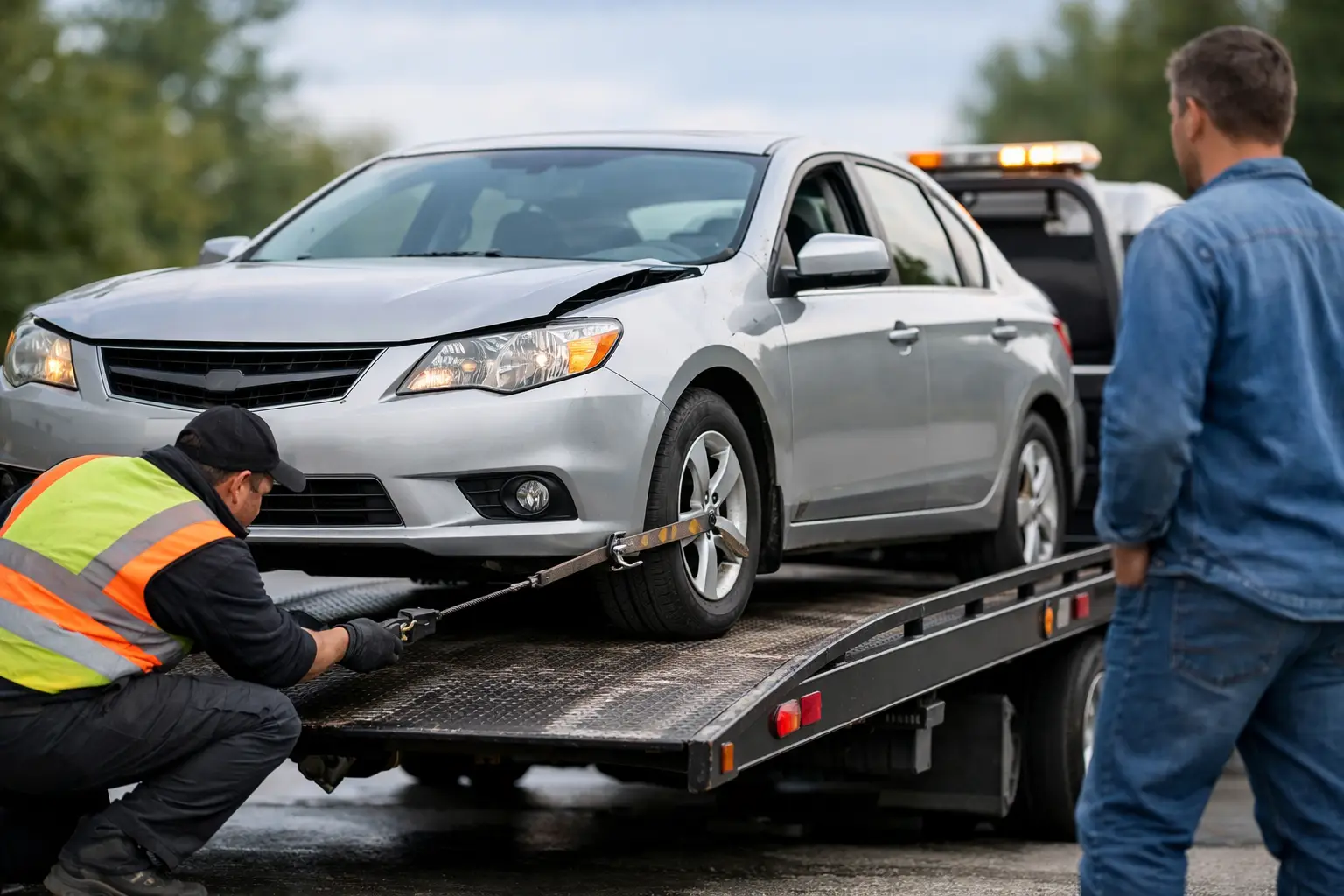
A stalled car on I-10, a dead battery outside a Kenner store, or collision damage on a New Orleans side street can turn routine travel into a safety problem fast. When you need to move disabled car safely, the first priority is not getting it moving as quickly as possible. It is protecting people, preventing a second accident, and avoiding damage that makes the repair bill worse.
A vehicle that will not start, steer, brake, or shift normally is not a vehicle to improvise with. The right next step depends on where it is stopped, what failed, and whether the vehicle can roll safely. In many cases, trained towing is the safest and most cost-effective answer.
Start by Making the Scene Safer
If the car is in a travel lane, near a busy intersection, on the shoulder of a highway, or in an area with limited visibility, focus on getting yourself and passengers out of danger. Turn on the hazard lights immediately. If you can exit safely, move well away from traffic and avoid standing between your vehicle and the roadway.
At night, during heavy rain, or around a blind curve, visibility is a major concern. Keep your interior lights on only if doing so helps responders locate you without creating another distraction. If you have reflective triangles or road flares and can place them without entering traffic, use them. Do not walk along high-speed lanes to set them out.
Call emergency services first if anyone is injured, there is fire, leaking fuel, a collision blocking traffic, or the vehicle is positioned dangerously. A tow operator can handle recovery and transport, but police or fire personnel may need to secure the scene before the vehicle can be moved.
Know When You Should Not Drive It Another Block
Drivers often try to nurse a disabled vehicle into a parking lot or down the road to save time. Sometimes that works. Sometimes it turns a manageable breakdown into engine, transmission, brake, or collision damage.
Do not attempt to drive if the brakes feel soft or unresponsive, steering is locked or difficult, a tire has failed, the engine is overheating, warning lights are flashing, or there is smoke, steam, or a burning smell. Pulling over is also the right call after an accident, even if the car appears to run. Damage to a wheel, suspension component, bumper, or fluid line may not be obvious from the driver’s seat.
A vehicle with a check-engine light alone may be able to travel a short distance, but a flashing check-engine light can indicate an active misfire that risks serious engine damage. Similarly, an overheating gauge is not an invitation to add water and continue driving. Let the engine cool, keep the hood closed if steam is present, and arrange professional assistance.
Can You Move a Disabled Car Yourself?
There are limited situations where moving a car a few feet is reasonable, such as repositioning it inside a private driveway when it has working steering and brakes. Even then, use caution. Keep people clear of the vehicle’s path, avoid slopes, and make sure the transmission can be placed in neutral.
Trying to push a car from a public road is far riskier. Modern vehicles are heavier than they look, and a vehicle can roll faster than people can control, especially on wet pavement or an incline. Power steering and power brakes may not work with the engine off, which makes the car difficult to guide and stop. One person should never try to push and steer at the same time.
Avoid using a rope, chain, or improvised strap to pull a disabled car behind another vehicle. These setups can fail without warning, provide little braking control, and may damage bumpers, suspension parts, or the vehicle frame. They are especially unsafe in traffic, on wet roads, and around the narrow streets and uneven surfaces common across the New Orleans area.
Why Tow Method Matters for a Disabled Vehicle
Not every disabled car should be towed the same way. The safest method depends on the vehicle’s condition, drivetrain, clearance, wheel damage, and destination.
A flatbed tow is often the preferred option because the entire vehicle rides off the ground. This reduces wear on the tires and drivetrain and is especially useful for all-wheel-drive vehicles, luxury cars, vehicles with collision damage, cars with severe mechanical trouble, and vehicles headed for long-distance transport. A flatbed can also be the safer choice when a wheel will not turn or a car sits too low for standard equipment.
Wheel-lift towing can be appropriate for many light-duty vehicles when the undamaged wheels can roll freely and the vehicle is configured correctly for towing. It is a practical option for local transport, but it requires an operator who understands the vehicle’s drive system and securement points.
Front-wheel-drive, rear-wheel-drive, four-wheel-drive, hybrid, and electric vehicles each have different towing requirements. Towing the wrong end of certain vehicles, or moving an all-wheel-drive vehicle with wheels on the pavement, can damage the transmission, transfer case, or electric drive components. A trained operator checks the vehicle before loading instead of guessing.
Give Dispatch the Details That Change the Job
A fast tow starts with accurate information. When requesting service, share your exact location, including nearby landmarks, cross streets, highway direction, exit number, or parking-lot details. Tell dispatch whether the car is in a safe spot, blocking traffic, parked in a garage, or stuck in mud, water, or a ditch.
Also explain what happened. Mention whether the vehicle starts, whether it can go into neutral, whether the wheels turn, and whether there is accident damage, a flat tire, overheating, or a locked steering wheel. Include the year, make, model, and drivetrain if you know it. This helps send the correct truck and equipment on the first trip.
If you need transport to a repair shop, home, dealership, or another city, have the destination ready. For planned vehicle moves, ask about flatbed transport and timing. For emergencies, tell dispatch if children, older passengers, pets, or mobility concerns are involved so the operator can prepare for the situation.
What to Do While You Wait for the Tow Truck
Once help is on the way, stay alert. Keep your phone charged if possible and watch for the dispatched truck from a safe location. Do not accept unsolicited towing offers from someone who cannot clearly identify their company or explain where they intend to take your vehicle. In the aftermath of an accident, confirm the tow destination before your car is loaded.
Remove valuables, medications, important documents, garage remotes, and personal items you may need before transport. Take a few photos of the vehicle from different angles, especially after a collision. This is useful for insurance records and gives you a clear record of the vehicle’s condition.
If the vehicle is safe and accessible, provide the operator with the keys and explain any issues with shifting, brakes, wheel damage, or low clearance. Then let the professional handle the loading area. Standing too close to winch cables, tow equipment, or a vehicle being loaded creates unnecessary risk.
How Professionals Move a Disabled Car Safely
Professional towing is more than attaching a hook and driving away. A trained operator evaluates the vehicle, surrounding traffic, terrain, and damage before selecting the loading approach. They use proper wheel straps, recovery equipment, safety lighting, and securement procedures designed to keep the vehicle stable in transit.
For a car that will not roll, has damaged wheels, or is stuck off pavement, the job may require winching, dollies, skates, or a specialized recovery setup. That is exactly where experience matters. Incorrect recovery can bend steering components, tear off body panels, or pull a vehicle into a more dangerous position.
Zain Towing LLC provides 24/7 towing and roadside assistance for drivers throughout Kenner and the New Orleans area. Licensed, insured operators can assess the situation, dispatch the appropriate equipment, and transport light- and medium-duty vehicles with secure handling and damage prevention in mind.
Get the Car Moved Without Creating a Bigger Problem
A disabled vehicle is stressful, but it does not have to become a roadside gamble. If the car is unsafe to drive, cannot be controlled reliably, has collision damage, or needs to travel more than a few feet, keep clear of traffic and request professional towing. Fast help is valuable, but safe loading and secure transport are what get both you and your vehicle where they need to be.
Need help right now?
Zain Towing runs 24/7 in Kenner, New Orleans, Metairie, Harahan and Gretna. Call (504) 666-9099 or see our towing service, roadside assistance and New Orleans pages.