
How to Prevent Highway Breakdown Emergencies
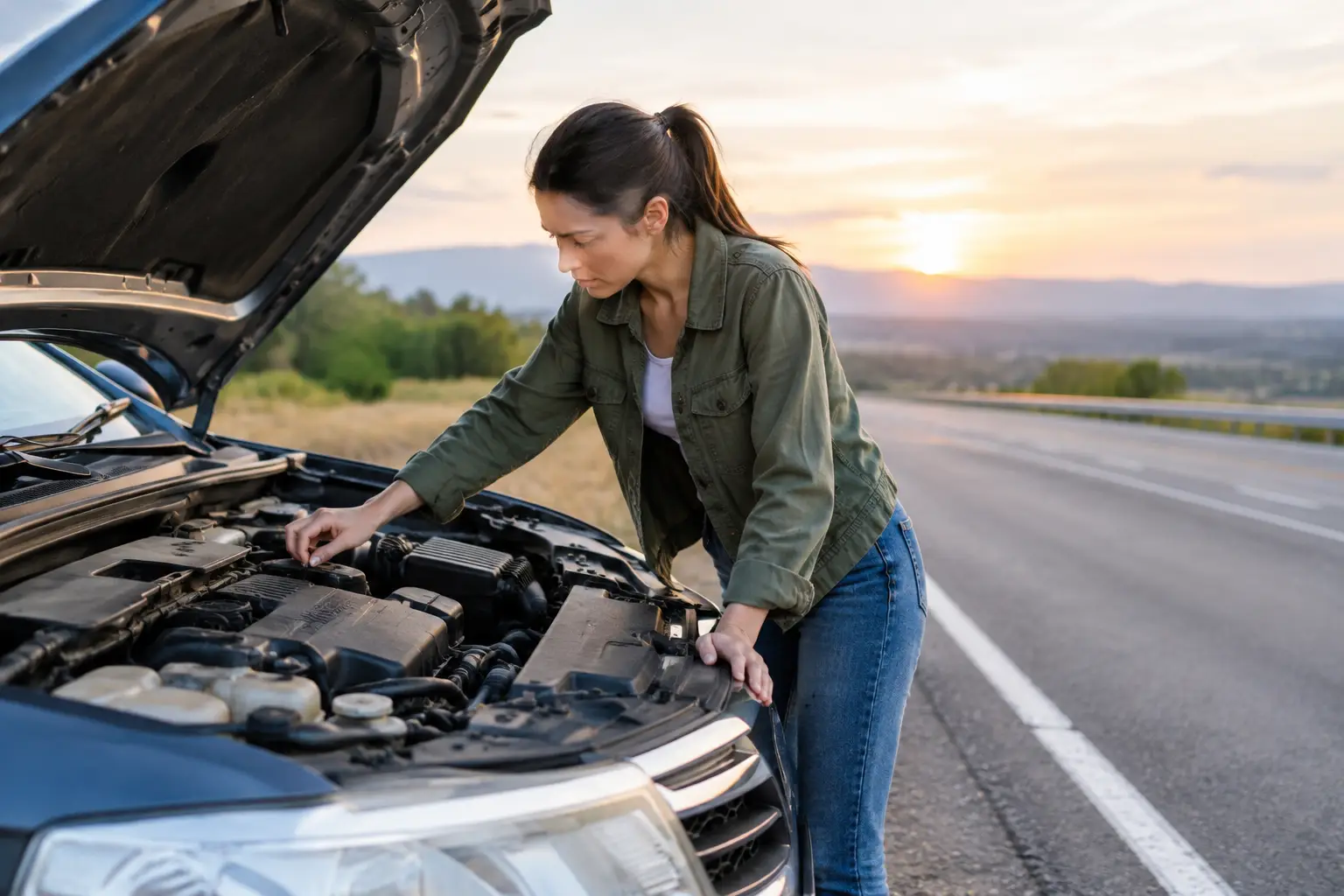
A stalled vehicle on I-10, the Causeway, or a busy New Orleans-area highway can turn dangerous fast. Traffic moves quickly, shoulders can be narrow, and Louisiana heat puts extra strain on vehicles. The best way to prevent highway breakdown emergencies is to catch small problems before they become a dead battery, blown tire, overheated engine, or loss of power miles from home.
Breakdowns cannot always be avoided. A nail in the road, an unexpected mechanical failure, or an accident can happen to careful drivers. But routine checks, smart driving habits, and a simple emergency plan lower the odds of being stranded and help you respond safely if trouble starts.
Prevent Highway Breakdown Emergencies Before You Leave
Highway travel is harder on a vehicle than a short trip around town. Higher speeds create more heat, long stretches of driving test your battery and cooling system, and heavy loads put pressure on tires, brakes, and suspension. Before a road trip, commute across the metro area, or long drive out of state, give your vehicle a quick walk-around.
Start with your tires. Look for low pressure, visible cracks, nails, bulges, or worn tread. A tire that looks only slightly low can heat up at highway speed and fail without much warning. Check pressure when the tires are cold, using the pressure listed on the driver-side door sticker rather than the maximum number printed on the tire itself. Do not forget the spare tire if your vehicle has one.
Check underneath the vehicle and where you park for fresh leaks. Dark oil, bright coolant, brake fluid, or a puddle with a sweet smell deserve attention before a highway trip. Also check that your headlights, brake lights, turn signals, and hazard lights work. Being visible is a safety issue, especially during Gulf Coast rain, nighttime driving, or early-morning commutes.
If a dashboard warning light is already on, do not assume it can wait. Some alerts are minor, but a check engine light that flashes, a battery warning light, an oil pressure warning, or a high-temperature warning can signal a problem that may leave you stranded or cause serious engine damage.
Give Your Battery and Cooling System Extra Attention
Louisiana heat is tough on batteries. A battery may start normally in the morning but lose strength after sitting in high temperatures or running the air conditioning in slow traffic. If your vehicle cranks slowly, needs frequent jump-starts, has corrosion around the battery terminals, or shows a battery warning light, have it tested before relying on it for highway travel.
Your cooling system needs the same attention. Low coolant, a weak hose, a damaged radiator cap, or a failing fan can cause overheating when traffic backs up or temperatures climb. Check coolant only when the engine is cool. If the temperature gauge rises above normal, steam comes from under the hood, or you smell a sweet odor, pull over as soon as it is safe. Never open a hot radiator cap.
Oil changes and other scheduled maintenance may not feel urgent when the vehicle is running well, but they are one of the simplest ways to avoid a preventable roadside problem. Follow the maintenance interval recommended for your specific vehicle and use the correct fluids. Older vehicles, high-mileage vehicles, and vehicles used for rideshare or delivery work may need more frequent inspections.
Drive in a Way That Protects Your Vehicle
A well-maintained vehicle can still be pushed into trouble by driving habits. Aggressive acceleration, hard braking, speeding over rough pavement, and driving on damaged tires increase the chance of a failure when you need your vehicle most.
Avoid running the fuel tank extremely low. Modern fuel pumps rely on fuel for cooling, and a near-empty tank leaves little room for detours, traffic delays, or a missed exit. Keeping at least a quarter tank is a practical habit for drivers traveling across the greater New Orleans area, where bridge traffic, storms, and crashes can quickly extend a trip.
Pay attention to potholes, road debris, and standing water. Hitting a pothole at speed can damage a tire, wheel, alignment, or suspension component. Water can hide hazards and reduce traction, so slow down rather than trying to power through it. If you feel a new vibration after hitting debris or a rough patch of road, get the tires and wheels checked soon.
Do Not Ignore These Warning Signs
Vehicles usually give drivers a warning before a major breakdown. The key is responding while you still have control and time to make a safe decision.
A squealing belt, grinding brakes, repeated stalling, steering that pulls to one side, burning smells, smoke, flickering lights, or a new vibration all deserve attention. So does a tire pressure warning that returns after you add air. It may be a slow leak, a damaged valve stem, or a puncture that needs professional repair.
If the engine temperature rises, oil pressure drops, or the vehicle loses power, do not keep driving just to reach the next exit. Continuing can turn a repairable issue into major damage. Turn on your hazard lights, reduce speed carefully, and move toward a safe location if the vehicle remains controllable.
It depends on the problem whether you can drive a short distance. A low washer-fluid warning is not the same as an overheating engine or a flashing check engine light. When the issue involves braking, steering, overheating, smoke, a severe tire problem, or fluid loss, stopping and calling for help is the safer choice.
Keep a Highway Emergency Kit Within Reach
An emergency kit will not repair a failed alternator or a blown tire, but it can make a roadside wait safer and less stressful. Keep it in an accessible part of the vehicle, not buried under heavy cargo.
Useful items include:
- A charged phone and car charger or power bank
- Reflective triangles or road flares
- A flashlight with fresh batteries
- Jumper cables or a portable jump pack
- Basic first-aid supplies, drinking water, and weather-appropriate clothing
- Tire gauge, properly inflated spare, jack, and lug wrench
If you drive an SUV, truck, RV, or vehicle used for work, tailor the kit to your vehicle and usual routes. A rideshare driver may need a phone backup and rain gear. A family traveling with children may need extra water, medications, and a way to stay cool while waiting for help.
What to Do if You Break Down on the Highway
Even careful preparation cannot prevent every emergency. Your first priority is not diagnosing the vehicle. It is getting yourself and your passengers out of immediate danger.
At the first sign of trouble, turn on your hazard lights and look for the safest place to stop. An exit, parking lot, service road, or wide shoulder is better than stopping in an active lane. Pull as far from traffic as conditions allow, keep the wheels pointed away from traffic when possible, and set the parking brake.
If you can exit the vehicle safely and there is a guardrail or area well away from traffic, move there. If traffic is heavy and leaving the vehicle would put you in danger, stay buckled inside with the doors locked. Do not stand beside the vehicle, between vehicles, or directly behind it. Place warning triangles only if it is safe to do so.
When you call for roadside help, provide your exact location, direction of travel, nearby exit or mile marker, vehicle type, and the problem you noticed. Mention if you are blocking traffic, have children with you, are in an unsafe location, or need a tow rather than a jump-start or tire change. Clear information helps dispatch send the right equipment without delay.
For drivers in Kenner and the New Orleans area, Zain Towing LLC provides 24/7 roadside assistance and towing for cars, SUVs, motorcycles, trucks, and other light- and medium-duty vehicles. Trained, licensed, and insured operators can help with tire trouble, lockouts, jump-starts, recovery, or secure transport when driving any farther is not safe.
A five-minute tire check, an early response to a warning light, and a charged phone can prevent a bad roadside situation from becoming a highway emergency. If your vehicle tells you something is wrong, listen early, pull over safely, and get qualified help before the problem gets bigger.
Need help right now?
Zain Towing runs 24/7 in Kenner, New Orleans, Metairie, Harahan and Gretna. Call (504) 666-9099 or see our towing service, roadside assistance and New Orleans pages.