Need Recovery Near Me Towing in Kenner?
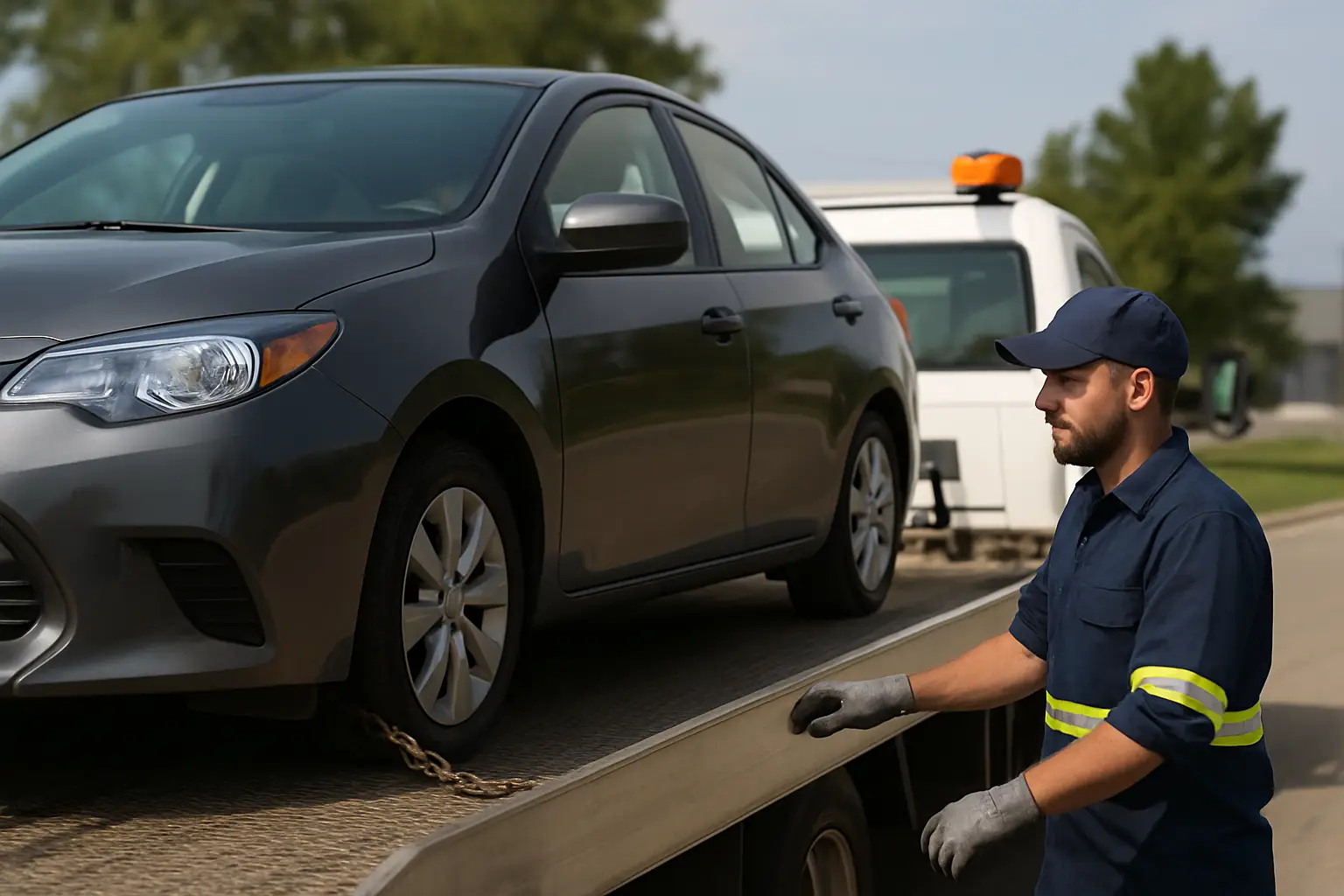
Your car is half on the shoulder, hazards blinking, and the next truck that flies by shakes the whole vehicle. You grab your phone and type “recovery near me towing,” because you do not need a lecture - you need a truck, a professional operator, and a plan that keeps you safe and prevents more damage.
Here is how to use that search the right way in Kenner and the New Orleans area, what “recovery” really means (it is not always the same as a standard tow), and what to ask so the right equipment shows up the first time.
What “recovery” means vs. a normal tow
A standard tow is usually straightforward: your vehicle is on level ground, rolls freely, and can be loaded onto a wheel-lift or flatbed with minimal setup.
Recovery is different. Recovery towing is used when your vehicle is stuck, disabled in a risky position, off the roadway, or cannot be safely loaded without extra steps. Think of a car in a ditch, a truck wedged on a curb, a vehicle spun into a soft shoulder after rain, or an accident scene where a wheel is jammed and steering will not track.
That difference matters because recovery often requires more time, more safety precautions, and specific gear. It can also change pricing. If you ask for “a tow” when you really need “recovery,” the wrong truck may arrive, and you lose time at the worst moment.
When you should search “recovery near me towing” (and say it on the phone)
If any of these are true, you are in recovery territory, not basic towing.
If the vehicle is off the pavement, sitting at an angle, or stuck in mud or soft grass after a storm, it usually needs controlled winching to get back to safe ground.
If you were in a collision and a wheel is broken, the steering is locked, or the car will not roll, the operator may need skates, dollies, or a flatbed approach to load without dragging.
If you are blocking traffic, pinned against a curb, or positioned where loading is dangerous, recovery is about scene control first, towing second.
If you are unsure, describe what you see. “Front wheel bent, car won’t roll, off the road by about six feet” tells a dispatcher far more than “I need a tow.”
What to do in the first 2 minutes (before the truck arrives)
Start with safety. If you are in a dangerous lane or shoulder and it is not safe to stay in the vehicle, move to a protected spot nearby. If you can safely stay buckled inside while waiting, that may be the safest choice on fast roads. Turn on hazards, and if you have flares or a reflective triangle and can place them safely, use them.
Then document the basics. A quick photo of the vehicle position, visible damage, and the surrounding area can help later with insurance and can help the towing team plan the safest approach.
Finally, make the call. When you reach a dispatch line, your goal is simple: give location, situation, and vehicle details clearly so the right truck is sent.
The 7 details that get you the right truck faster
Dispatch works best when you give specific information in a calm, direct way.
First is your exact location. “I-10 eastbound near exit X” is good. “In front of the Chevron by Veterans Blvd” is even better. If your phone can share location, use it.
Second is whether you are safe and whether the vehicle is in a travel lane. If you are blocking traffic, say so immediately.
Third is the condition of the wheels and steering. “Front right wheel collapsed” or “steering is locked” tells the operator whether dollies or a flatbed is the safest choice.
Fourth is the vehicle type and weight class. A compact car, a full-size SUV, and a work truck are different recoveries.
Fifth is driveline. If it is AWD or 4WD, mention it. Some vehicles should not be towed with two wheels on the ground for any distance.
Sixth is clearance and obstacles. Ditch angle, low hanging bumpers, tight parking garages, or a narrow alley change the approach.
Seventh is the destination. Tell them where it needs to go - your home, a body shop, a dealership service lane, or another city.
Recovery near me towing costs: what affects the price
People want a straight number, and it depends. That is not a dodge - it is how recovery is priced because effort and risk vary.
A basic tow is typically priced by hookup plus mileage. Recovery can add winching time, labor time, specialized equipment, and scene complexity. A simple pull back onto pavement is different than a vehicle that needs a careful, multi-step extraction.
The biggest factors are:
- How far off-road the vehicle is and whether winching is required
- Whether the vehicle rolls freely or needs dollies/skates
- Vehicle size and weight (light-duty vs. medium-duty)
- Time of day and traffic conditions
- Access constraints like tight spaces, mud, standing water, or a steep ditch
If you are on the phone, ask for a clear explanation of what is included and what could change once the operator assesses the vehicle. A reputable company will set expectations before they touch your car.
Why a flatbed is often the safest choice
For many recovery situations, a flatbed is the damage-prevention option. Instead of pulling a disabled car on two wheels, a flatbed keeps the vehicle fully supported. That matters when you have suspension damage, drivetrain concerns, or low clearance.
It is not always required. Some vehicles can be recovered with a wheel-lift and dollies safely. The right answer depends on the vehicle, the damage, and the pickup environment. The goal is the same either way: no dragging, no scraping, no “we will figure it out later.”
What “licensed and insured” should mean to you
You are already dealing with a breakdown or accident. The last thing you need is a second problem caused by sloppy loading or an operator without proper coverage.
A professional recovery operator should focus on controlled movements, correct attachment points, and protecting your vehicle during loading and transport. They should also be comfortable coordinating around traffic and, when present, with law enforcement or property staff.
If you are comparing companies during a “recovery near me towing” search, do not be shy about asking whether they are licensed and insured and whether the driver is trained for recovery work. It is your vehicle and your liability on the line.
Common recovery scenarios in Kenner and New Orleans
This area has its own patterns. Sudden heavy rain can soften shoulders and grassy edges fast. Tight lots around shopping areas, apartments, and event venues can turn a simple breakdown into a tricky extraction. And highway incidents on I-10 and nearby connectors are high-stress because of speed and limited space.
The best recovery crews plan around those realities. They arrive with the right setup, position the truck for safety, and get you loaded without turning a stressful situation into a longer one.
Roadside help vs. recovery: when towing is not necessary
Not every “I’m stuck” call needs a tow. If your car will start with a jump, if you have a flat that can be safely changed, or if you are locked out, roadside assistance may solve it on the spot.
But if you are in an unsafe position, if the wheel is damaged, or if the vehicle cannot be driven without risking more damage, recovery is usually the smarter and safer move. Driving “just a little bit” on a damaged wheel or suspension can turn a fixable problem into an expensive one.
How to avoid the most common delays
Delays usually happen for two reasons: unclear location or unclear vehicle condition.
If you are on a highway, confirm direction of travel and the nearest exit number. If you are in a neighborhood, give a cross street and a visible landmark. If you can meet the operator in a safe spot, say where you will be standing.
For the vehicle condition, do not guess. If a wheel is folded under, say that. If it is sitting on the frame, say that. If you are not sure, take a quick photo and offer to text it if the dispatcher can receive it.
Getting help now
If you are currently stuck in Kenner or the New Orleans area and need recovery or towing, contact a 24/7 dispatcher who can send the correct truck based on your situation. Zain Towing LLC provides towing, recovery, and roadside assistance with rapid-response dispatch, trained operators, and a focus on safe, secure handling.
Stay focused on the next safe step: get to a protected spot, share your exact location, and describe what the vehicle can and cannot do. The rest is just getting the right truck to you and getting you out of a bad spot without making it worse.
Need help right now?
Zain Towing runs 24/7 in Kenner, New Orleans, Metairie, Harahan and Gretna. Call (504) 666-9099 or see our towing service, roadside assistance and New Orleans pages.