
Locked Out? What to Expect From Fast Help
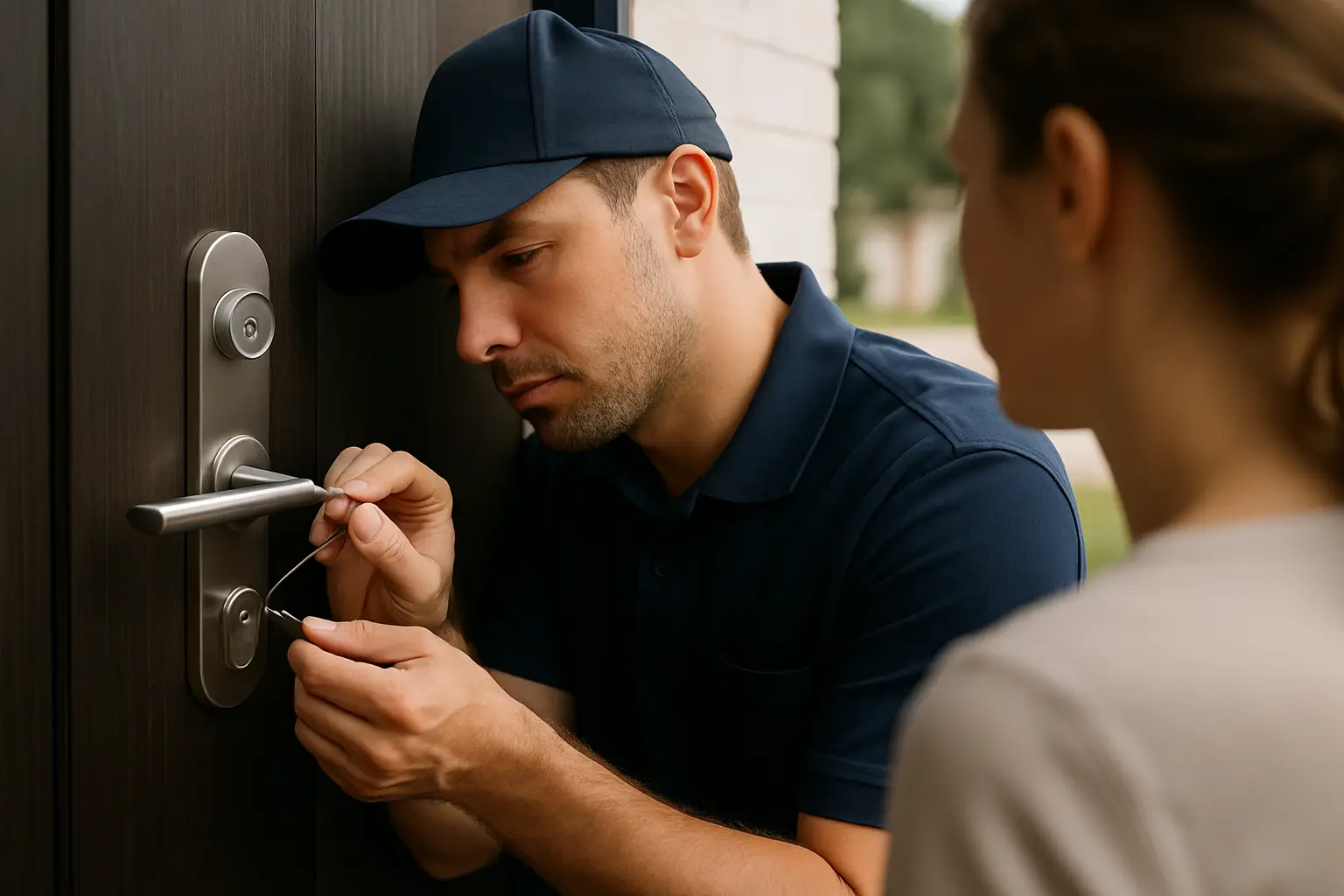
You shut the door and hear it: the click. Keys on the seat. Phone in your hand. Engine running or not - either way, you are stuck.
A roadside lockout is one of those problems that feels small until it steals your whole day. In the Kenner and New Orleans area, it can also turn into a safety issue fast - heat, rain, traffic shoulders, or a dark parking lot. A roadside assistance lockout service is meant to remove the stress and fix the problem without damaging your vehicle.
What a roadside assistance lockout service actually is
A lockout service is a dispatch of a trained operator to get you back into your vehicle safely when you cannot access it. That can mean keys locked inside, a broken key, a jammed lock cylinder, or an electronic issue that will not let the doors open.
Most drivers think of lockouts as “just pop the door.” The reality is that modern cars have tighter seals, more fragile trim, side curtain airbags in the door frame area, and complicated electronic locking systems. The goal is not just entry - it is entry without bending the door, tearing weather stripping, cracking a window channel, or triggering an alarm that creates a bigger headache.
When you should call instead of trying it yourself
If you are on your own driveway and you have a spare key inside, you might solve it with a calm plan. But a lot of lockout situations are not calm, and many DIY attempts create damage that costs more than the service call.
Call for roadside help if you are in an unsafe spot (shoulder, gas station near traffic, isolated lot), if a child or pet is inside, if the car is running, or if you drive a newer model with electronic locks and tight door frames. Also call if you are tempted to use a coat hanger, screwdriver, wedge, or “slim jim” style tool you found online. Those shortcuts are where torn seals, scratched paint, and bent door frames come from.
It also depends on the vehicle. Some older vehicles can be accessed more easily, while many late-model cars and trucks are designed specifically to defeat common break-in methods. What looks like a simple job can become an expensive problem when a window regulator gets snagged or wiring in the door is disturbed.
What happens on a lockout call (so you are not guessing)
A good lockout response should feel straightforward and professional.
First, dispatch confirms the essentials: your location, the vehicle make and model, and what is happening (keys visible inside, key fob not working, trunk-only lockout, engine running). The operator may also ask if you are in a safe place and whether anyone is inside the vehicle.
On arrival, the operator verifies you have the right to access the vehicle. That is not about being difficult - it protects you and your property. Expect to show ID and proof the vehicle is yours or that you are authorized to use it. If your ID is locked inside, you can usually work through options like registration in the glovebox, a matching name on insurance documents, or confirmation once the door is opened.
Then the operator chooses a method based on the vehicle and the safest entry point. The priority is minimizing risk to the door frame, trim, and seals. In many cases, entry is gained by creating a controlled gap and using professional tools to manipulate the interior handle or unlock button. On some vehicles, the best option may be accessing a specific door rather than the driver door, depending on the layout and risk.
Finally, the operator confirms the door functions normally and the seals sit correctly. That last step matters - a door that closes but no longer seals can lead to wind noise and water leaks later.
“Will this damage my car?” Honest expectations
If you choose a trained, insured roadside provider, the intent is damage prevention. That is the point of professional lockout service.
That said, there are trade-offs. Vehicles with prior damage, weak weather stripping, aftermarket window tint, or misaligned doors can be more sensitive. Extreme heat can make trim softer; cold snaps can make plastic brittle. And some high-security vehicles are simply harder to access without risk.
The operator’s skill and the right tools make the biggest difference. If someone arrives and immediately reaches for improvised tools or wants you to “try pulling the top of the door yourself,” that is a red flag.
How much time it usually takes
The actual entry process is often quick once the operator is on scene, but response time is what most drivers feel. In a busy metro area, time varies based on traffic, weather, and call volume.
When you call, ask for an ETA and stay available by phone. If you move from the vehicle - for safety or shade - tell dispatch exactly where you will be standing. If you are at a large complex like an airport lot, mall, or hospital, provide a landmark and row number so the operator can reach you without wasting minutes circling.
What lockout service costs (and why prices vary)
Pricing depends on distance, time of day, vehicle type, and complexity. A basic lockout on a common passenger vehicle is usually less involved than a high-end vehicle with advanced security, or a scenario where access is blocked (dead battery plus locked doors, key fob failure, or a trunk lockout where the cabin cannot be accessed).
Be cautious with quotes that sound too good to be true. Low quotes sometimes turn into add-ons once the operator arrives, or they come from untrained providers who cause damage. A clear price explanation up front, plus a professional approach on arrival, is what you want.
What you can do while you wait
If you are stranded, your first job is safety.
If you are on the roadside, move to a safer position away from traffic and turn on hazard lights. If your car is in a parking lot, choose a well-lit area and stay aware of your surroundings. If you are in extreme heat, find shade and hydrate.
Also avoid “helpful strangers” who offer to pry your door open. Most people mean well, but the risk to your vehicle and your personal safety is real.
If you have roadside coverage through insurance or a membership, you can still choose who responds, depending on your plan. Some programs send the nearest contractor; others allow you to call a local provider directly and submit reimbursement. It depends on your policy, and when you are locked out at midnight, flexibility matters.
Special situations: kids, pets, and running vehicles
If a child or pet is locked inside, treat it as urgent. Louisiana heat can become dangerous fast, even with windows cracked. Call for help immediately and be clear about the situation when you request service.
If the vehicle is running, mention that too. A running vehicle can create risks that are not obvious - it can be stolen easily, it can overheat if there is an underlying issue, and it can burn fuel while you wait. A professional operator will move quickly and choose the safest entry approach for that scenario.
If you believe there is immediate danger to life, call 911. Roadside help is designed for access and convenience, but emergencies come first.
How to avoid getting locked out again (without buying gadgets)
You do not need a trunk full of tools to prevent lockouts. Small habits help.
Start by deciding where your keys live every time you exit the vehicle: pocket, purse, or hand. Do not set them on the seat “just for a second.” If you share a vehicle with family, agree on a simple rule like “keys never leave your hand until the door is open.”
If your vehicle uses a key fob, replace the battery on a schedule instead of waiting for it to die at the worst moment. Also learn where the mechanical key is hidden in your fob and how to use it - many drivers have it and do not know it.
A spare key can help, but it depends on where it is stored. Keeping a spare inside the vehicle defeats the point. Keeping it with a trusted person nearby is better. If you travel often, a spare in your luggage can save a trip.
Choosing the right provider in Kenner and New Orleans
When you are locked out, you are picking a provider under pressure. Focus on signals that reduce risk.
Look for a company that answers the phone 24/7, gives an ETA, and asks the right questions about your vehicle and situation. Licensing and insurance matter because they show you are not dealing with someone operating out of a personal car with improvised tools. Experience matters too - especially with newer vehicles and vehicles with tighter door seals.
If you need fast local help any time of day or night, Zain Towing LLC provides 24/7 roadside lockout service in the Kenner and New Orleans area, with a dispatch process built around quick arrival and careful handling.
One more thing most drivers miss
A lockout is stressful because it makes you feel stuck. The quickest way to get unstuck is to treat it like any other roadside issue: get to a safe spot, make one call, and stay reachable.
If you do that, the rest is simple - you are just waiting for someone with the right tools and the experience to use them carefully, so you can get back in your car and get on with your day.
Need help right now?
Zain Towing runs 24/7 in Kenner, New Orleans, Metairie, Harahan and Gretna. Call (504) 666-9099 or see our towing service, roadside assistance and New Orleans pages.