
Roadside Assistance vs Towing: What You Need
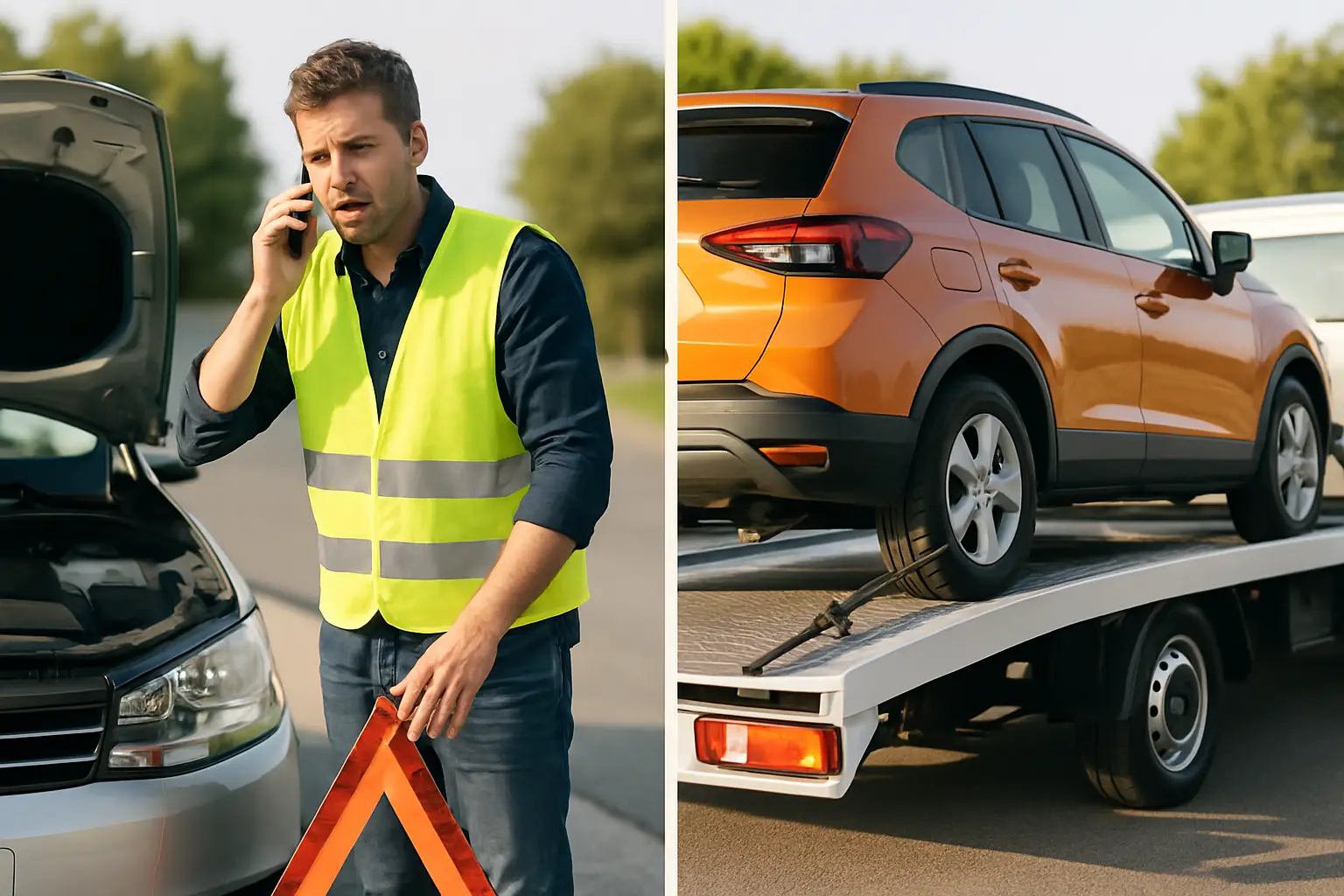
If your car won’t start at 11:47 pm on I-10 near Kenner, the question isn’t philosophical. It’s practical: do you need someone to fix a small problem on the spot, or do you need the vehicle moved safely to a shop, your home, or another address? That one decision changes the type of truck dispatched, the tools on board, the cost, and how fast you’re back in control of the situation.
Most drivers use “towing” as a catch-all for anything that happens on the side of the road. But roadside service and towing are built for different jobs. Understanding the difference helps you avoid paying for the wrong response, waiting on the wrong equipment, or risking extra vehicle damage when you’re already stressed.
Roadside assistance vs towing service differences explained
Roadside assistance is on-scene help meant to get you moving again without transporting your vehicle. Think of it as “fix it here if we can.” The goal is quick stabilization: start the vehicle, get a tire usable, get you back into the car, or make the vehicle safe enough to drive to the next stop.
A towing service is vehicle transport. The main job is moving your vehicle from point A to point B safely using a tow truck or flatbed. Towing becomes the right call when the car can’t be driven, shouldn’t be driven, or needs secure hauling after an accident, mechanical failure, or recovery situation.
Here’s the simplest way to decide: if the vehicle can be made roadworthy in minutes, roadside assistance is usually the first option. If the vehicle is disabled, unsafe, or you’re unsure, towing is often the safest and fastest route because it removes the vehicle from danger and gets it to a place where proper repairs can happen.
What roadside assistance typically covers
Roadside calls are usually built around common “stuck but fixable” moments. In the New Orleans area, that might be a dead battery after a short stop with the AC running, a low tire after hitting debris, or locking your keys in the car during a quick pickup.
Roadside assistance commonly includes jump-starts, lockouts, tire changes or tire help, and minor fuel delivery when you run out. Depending on the situation and the equipment on the service vehicle, it can also include quick assessments to tell you whether the vehicle is safe to drive or if you should stop and tow.
What roadside assistance usually does not cover is anything that requires extensive mechanical work, specialized parts, or longer shop-level troubleshooting. If a vehicle is overheating, has a transmission issue, won’t shift, is leaking heavily, has a steering problem, or has warning lights that suggest a serious failure, roadside is often limited to “make it safe and recommend tow.”
What towing service typically covers
Towing is about controlled transport. When a car won’t start and the issue isn’t a quick battery fix, when a tire is shredded and there’s no safe spare option, or when you’ve been in a collision and the vehicle can’t be driven, towing removes the vehicle from the roadway and takes it where it needs to go.
Towing can be local or long-distance. It can be light-duty for standard passenger vehicles or medium-duty for larger trucks and work vehicles. It can also involve flatbed towing when secure loading is the safest choice for the vehicle type or the condition it’s in.
Towing also applies when the vehicle is technically drivable but shouldn’t be driven. A car can roll and start and still be unsafe due to brake issues, a bent wheel, suspension damage, or a compromised cooling system. In those cases, towing protects the vehicle from further damage and protects you from turning a manageable problem into a major repair.
The real decision: can you safely drive right now?
People often ask, “Is this roadside or towing?” The better question is, “Can I safely drive this vehicle without causing more damage or risking a crash?” That depends on a few practical factors.
If you have a simple dead battery and everything else is normal, a jump-start can be the fastest solution. If the vehicle starts but then dies again immediately, that points to a deeper charging problem and towing may save you from being stranded twice.
If you have a flat tire and a safe location to work, roadside tire help can get you going. If you’re on a narrow shoulder, in heavy traffic, or the vehicle sits low and feels unstable, towing can be the safer move. Safety on the roadside matters, especially at night and during rain when visibility drops.
If you’ve been in an accident, even minor, towing is often the cleanest option. Damage is not always obvious. A bumper can look fine while a radiator support or suspension component is compromised.
Why pricing and dispatch can differ
Roadside assistance is usually priced around a service call plus the specific help provided. Towing is typically priced based on the type of tow truck needed, the distance, the vehicle weight/class, the pickup conditions, and whether special handling is required.
Dispatch is different, too. A roadside unit is focused on tools for quick interventions. A towing unit is focused on loading, securing, and transporting a vehicle with the right equipment for the job. If you request roadside help but the vehicle actually needs a tow, you can lose time because the wrong resources arrive first.
The fastest path is accuracy. When you call, describe what the car is doing, any warning lights, whether it can shift into gear, and where you are. If you can safely do it, share a nearby landmark, mile marker, or exit. That lets dispatch send the right truck the first time.
Flatbed towing vs wheel-lift towing - and why it matters
Not all towing is the same. The method affects damage prevention and fit for different vehicles.
Flatbed towing loads the entire vehicle onto the bed, keeping all wheels off the ground. This is often preferred for all-wheel-drive vehicles, vehicles with drivetrain issues, motorcycles, and cars that are low to the ground or have body damage.
Wheel-lift towing typically raises the front or rear of the vehicle and tows it with two wheels on the ground. It can be efficient for many standard vehicles when conditions are straightforward.
The right method depends on the vehicle type and what failed. If you’re not sure whether your car is AWD or whether it’s safe to roll, say so on the call. Getting the correct equipment protects the vehicle and speeds up the load.
Common scenarios and the right call
A dead battery in a parking lot usually points to roadside assistance first. If the vehicle is in an unsafe spot, won’t stay running, or you’ve already had repeated battery issues, towing may be smarter.
A lockout is nearly always roadside assistance. Towing a locked vehicle doesn’t solve the immediate problem and adds unnecessary steps.
A tire blowout can go either way. If you have a usable spare, safe space, and the lug nuts aren’t seized, roadside tire help can work. If the tire is destroyed, you don’t have a spare, the wheel is damaged, or you’re in a dangerous location, towing is the safer decision.
Overheating is a towing situation more often than people want to hear. Driving an overheating engine, even “just a couple miles,” can turn a minor cooling problem into engine damage.
After an accident, choose towing if there’s any doubt about steering, braking, wheel alignment, or fluid leaks. If airbags deployed, if a wheel looks pushed in, or if the car won’t drive straight, do not try to limp it home.
What to do while you wait (and what not to do)
If you’re broken down on a busy road, your first job is personal safety. If the vehicle can move, get it to a shoulder or a safer area. Turn on hazard lights. If it’s dark, keep lights on as appropriate for visibility.
If you’re on the shoulder and it’s unsafe to stand outside, stay in the vehicle with your seatbelt on until help arrives, especially in fast traffic. If you can exit safely and stand well away from the road, do so. Use your judgment based on traffic speed and visibility.
Avoid “quick fixes” that create bigger problems, like pouring cold water into an overheated engine or repeatedly cranking a vehicle that’s clearly not starting. And if you smell fuel, see smoke, or notice a growing fluid leak, prioritize getting clear and calling for towing.
When you might need both
It’s common for a call to start as roadside assistance and end as towing. A jump-start might reveal the alternator isn’t charging. A tire swap might show wheel damage. A quick look under the hood might show a belt failure that can’t be addressed on the roadside.
That’s not a bait-and-switch. It’s what happens when the roadside is used to diagnose the obvious, then the safest next move is transport to a shop. The best operators will explain what they’re seeing and why towing is the safer next step.
The one question that speeds everything up
When you contact dispatch, be ready to answer: “Where do you want the vehicle to go?” If you already know the shop or address, share it. If you don’t, say that and you can decide after the vehicle is loaded and you’ve had a moment to breathe.
Also mention vehicle details: make, model, approximate size, and whether it’s AWD. If you have an RV, truck, or something heavier than a standard sedan, that changes the equipment required.
If you need both roadside assistance and towing support in Kenner or New Orleans, Zain Towing LLC dispatches 24/7 with trained operators focused on safe handling and secure transport. You can request service or a quote at https://zaintowing.net/.
If you’re stuck right now, don’t overthink the terminology - describe the problem, your location, and whether the vehicle can move safely, and let the right help get sent the first time.
Need help right now?
Zain Towing runs 24/7 in Kenner, New Orleans, Metairie, Harahan and Gretna. Call (504) 666-9099 or see our towing service, roadside assistance and New Orleans pages.