
Roadside Repair vs Towing for Louisiana Drivers
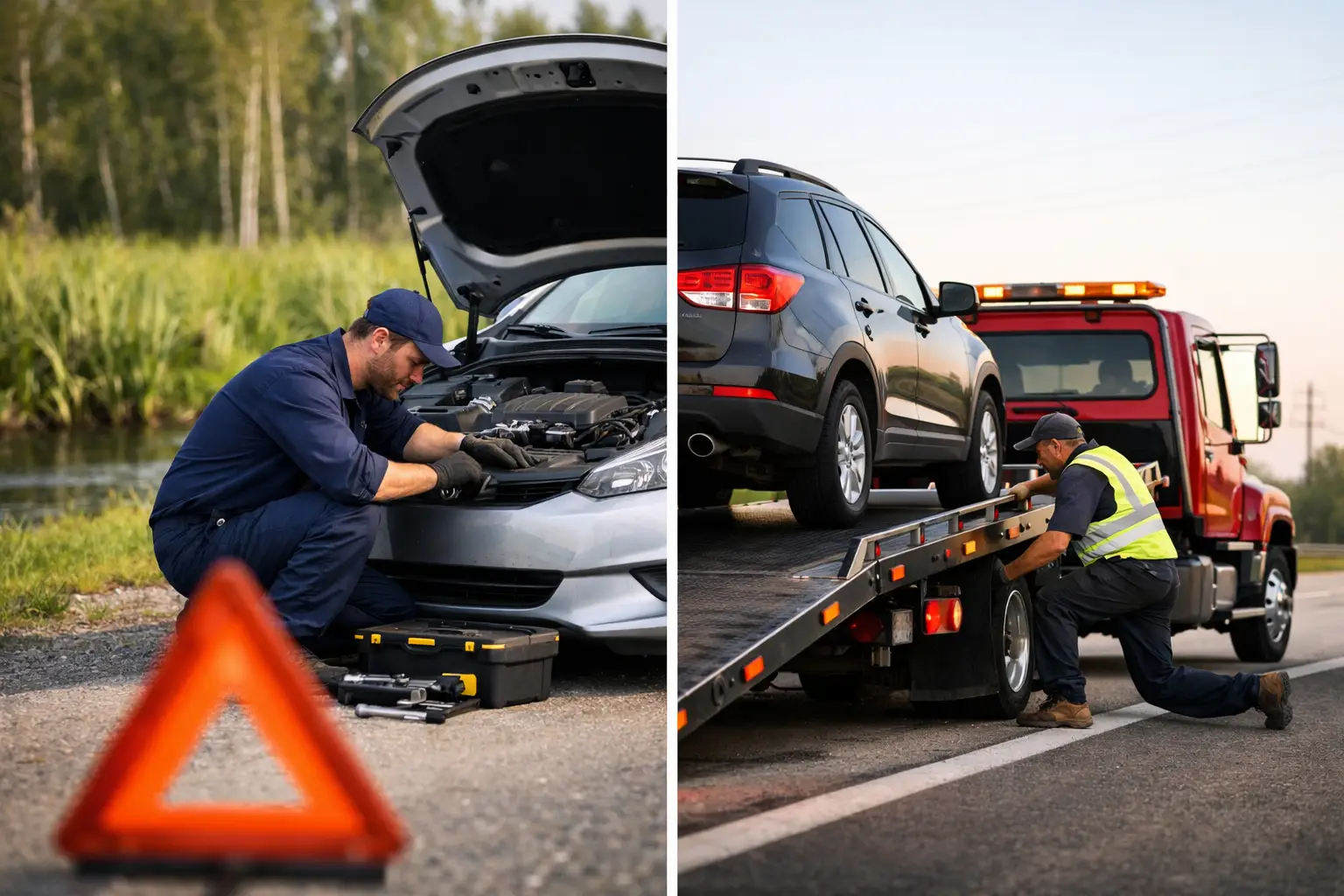
A dead battery in a Kenner parking lot and a smoking engine on I-10 may both leave you stranded, but they call for very different responses. The roadside repair vs towing decision is not about choosing the cheapest option in the moment. It is about getting the right help without putting you, your passengers, or your vehicle at greater risk.
A quick roadside service can get many drivers moving again in minutes. But when a problem affects the vehicle's safety, drivability, or condition, towing is the smarter call. Knowing the difference before help arrives can reduce stress and prevent expensive damage.
When Roadside Repair Is the Right Call
Roadside assistance is designed for straightforward issues that can be handled safely where your vehicle is parked or stopped. The goal is simple: correct a minor problem, confirm the vehicle can operate normally, and get you back on the road without unnecessary transport.
A jump-start is one of the most common examples. If your battery died because of an interior light, an aging battery, or a short stop with accessories running, a trained operator can often start the vehicle quickly. Once it is running, you should head to a trusted shop or battery retailer if the battery has been giving you repeated trouble. A jump-start solves the immediate problem, but it does not always solve the reason the battery died.
Lockout service is another clear roadside situation. If your keys are inside the car, professional lockout assistance can help you regain access without breaking a window or damaging the door, lock, or weather stripping. Trying to force your way into a modern vehicle can turn a stressful delay into a costly repair.
Tire help may also keep you moving if you have a usable spare, the vehicle is on stable ground, and there is enough room for the operator to work safely. A flat tire in a well-lit parking lot is very different from a flat on a narrow shoulder during heavy New Orleans traffic. Location matters as much as the tire itself.
Roadside service can also help with simple fuel-related situations or minor issues that do not make the vehicle unsafe to drive. The key question is whether the vehicle will be dependable once the immediate issue is addressed. If the answer is uncertain, towing is the better choice.
Roadside Repair vs Towing: The Safety Test
Before deciding, think about what happened immediately before the vehicle stopped. Did it lose power, make a loud noise, pull hard to one side, overheat, leak fluid, or display a serious warning light? Those signs point to a problem that should not be tested by driving farther.
Towing is usually the safer option when your car will not start after a jump attempt, has a flat tire with no safe spare, has collision damage, or cannot be driven normally. It is also the right response for transmission trouble, steering problems, brake concerns, engine overheating, severe fluid leaks, suspension damage, and electrical failures that keep returning.
Do not continue driving a vehicle with a temperature gauge in the danger zone. Do not drive after an accident just because the vehicle still moves. A damaged bumper, wheel, radiator, or undercarriage can create hazards that are not obvious from the driver's seat. Moving the car a few more miles can make repairs more expensive and can put other drivers at risk.
The same applies to warning lights. A check engine light may not always require an immediate tow, but a flashing check engine light, oil pressure warning, brake warning, or battery warning paired with other symptoms deserves immediate attention. When there is any doubt about the vehicle's ability to stop, steer, or stay running safely, request a tow.
Your Location Can Change the Answer
A minor issue in a safe parking lot may be a roadside repair. That same issue on I-10, the Pontchartrain Expressway, a bridge approach, or a busy New Orleans street may require towing because the work area is unsafe.
Fast-moving traffic, limited shoulder space, poor visibility, standing water, and severe weather all raise the risk. A professional operator will assess the scene, but drivers should not assume that a tire change or battery service can be completed safely in every location. Sometimes the right move is to load the vehicle and get it to a safer destination.
If you are stranded in an active traffic lane or feel unsafe where you are, call 911 first. If possible, turn on your hazard lights, move away from traffic, and stay in a secure location. Do not stand between your vehicle and passing traffic, and do not attempt repairs on the roadside yourself.
What Towing Protects You From
Towing is more than a way to move a car that will not start. It protects the vehicle from added wear and protects you from the pressure to make a risky drive.
For example, driving with an overheating engine can warp engine components. Driving on a severely damaged tire can harm the wheel and suspension. Continuing to operate a vehicle with transmission trouble can turn a repairable issue into a major mechanical failure. Secure transport removes the guesswork.
A professional tow also matters when the vehicle needs to travel farther than a nearby repair shop. Flatbed towing is often a strong choice for vehicles with accident damage, low clearance, all-wheel drive, luxury finishes, motorcycles, or mechanical issues that make wheel-lift towing unsuitable. Proper loading, secure tie-downs, and trained handling help prevent damage during transport.
For trucks, SUVs, vans, RVs, and other larger vehicles, the dispatcher needs the correct details before sending equipment. Vehicle size, condition, location, and destination all affect what type of truck and operator should be dispatched. Giving accurate information helps avoid delays and ensures the vehicle is handled correctly from pickup to drop-off.
What to Tell the Dispatcher
The fastest way to get the right roadside repair or tow truck is to provide clear details when you call. Start with your exact location, including nearby cross streets, mile markers, landmarks, or the business name if you are in a parking lot. Then describe the vehicle by year, make, model, color, and whether it is a car, truck, SUV, motorcycle, or RV.
Explain what the vehicle is doing, not just what you think is wrong. Say whether it starts, whether the wheels turn, whether there is visible damage, whether it is leaking fluid, and whether it is in a safe place to access. If you need a tow, provide the destination address and let the dispatcher know about parking garages, narrow driveways, gated communities, or other access limits.
This information lets the towing company send the proper equipment instead of treating every call as the same type of breakdown. Zain Towing LLC dispatches trained operators for roadside assistance, light-duty and medium-duty towing, recovery, and secure local or long-distance transport throughout the Kenner and New Orleans area.
Avoid These Common Stranded-Driver Mistakes
Drivers often make a difficult situation worse by trying to push through it. Avoid driving on a damaged tire, repeatedly cranking a vehicle that will not start, opening a hot radiator cap, or accepting help from someone without proper equipment. These choices can create injuries, additional vehicle damage, or unsafe roadside conditions.
It is also wise to remove valuables, medication, work equipment, and personal documents from the vehicle before it is transported when it is safe to do so. Take a quick look around the car, note its condition, and confirm the destination with the operator. A professional tow should feel organized, clear, and secure from dispatch through delivery.
When you are stuck, the best decision is the one that gets you out of danger and prevents the next problem. If the fix is simple and the scene is safe, roadside help may get you moving quickly. If the vehicle is damaged, unreliable, or unsafe to operate, call for a properly equipped tow and let trained professionals handle the transport.
Need help right now?
Zain Towing runs 24/7 in Kenner, New Orleans, Metairie, Harahan and Gretna. Call (504) 666-9099 or see our towing service, roadside assistance and New Orleans pages.