
Roadside Service Pricing: What You’ll Pay
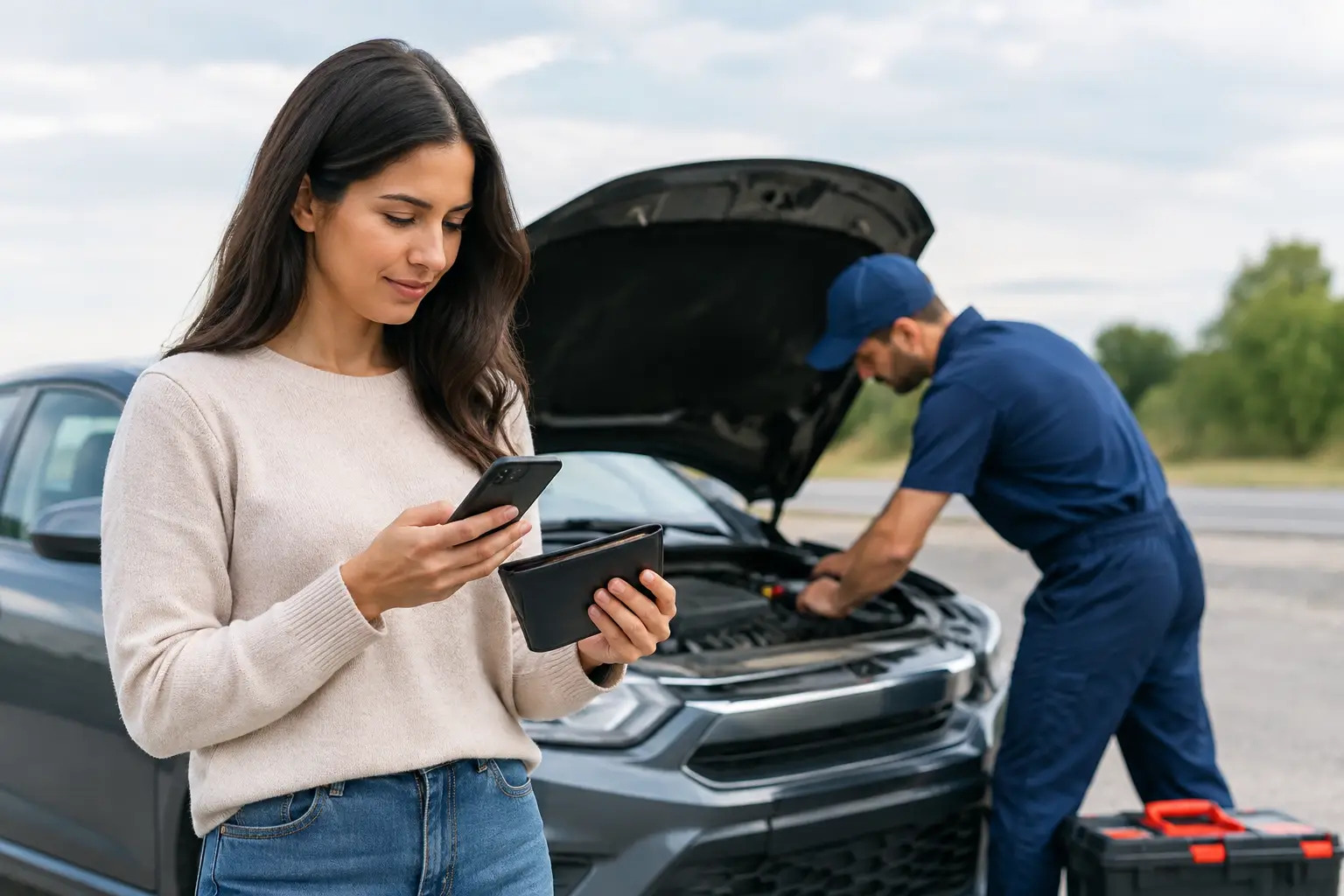
A dead battery outside a Kenner grocery store or a lockout on a New Orleans highway shoulder is stressful enough without wondering what help will cost. Roadside service pricing should be clear before a truck is dispatched: what service you need, where you are, what vehicle you drive, and whether the situation requires towing all affect the final quote.
The lowest advertised price is not always the lowest total cost. A reliable roadside provider sends the right operator and equipment, protects your vehicle, and explains applicable charges upfront. That matters when you need help now, not another problem after the truck arrives.
What Determines Roadside Service Pricing?
Roadside assistance is not a one-size-fits-all service. A simple jump-start in a safe parking lot takes less time and equipment than recovering an SUV from a ditch or transporting a disabled truck across the metro area. Professional pricing reflects the actual work, safety requirements, and equipment needed to complete the job properly.
Your location is one of the first factors. A service call close to the dispatch area may have a lower travel charge than a call farther away, especially during late-night hours or in heavy traffic. Calls on busy roadways, bridges, narrow streets, or areas with limited access can also require additional precautions. The goal is not to create surprise fees. It is to send an operator who can safely reach you and resolve the issue.
Vehicle type matters, too. A compact car with a dead battery is different from a full-size pickup, luxury vehicle, motorcycle, RV, or loaded work van. Larger and heavier vehicles may need a larger tow truck, stronger winching equipment, more securement points, or a flatbed. Vehicles with low ground clearance, all-wheel drive, accident damage, or wheel damage often need specialized handling to prevent further damage.
The type of service is the other major variable. A lockout, tire change, fuel delivery, jump-start, winch-out, and tow are priced differently because each has different labor, equipment, and risk levels. When requesting a quote, describe the problem as accurately as possible. A clear description helps dispatch send the correct truck on the first trip.
Typical Roadside Service Costs by Situation
Exact pricing depends on the details of your call, but understanding the service categories makes it easier to compare quotes and avoid confusion.
Jump-Starts and Battery Help
A jump-start is often one of the more straightforward roadside calls. The operator arrives with professional-grade equipment, checks for obvious safety concerns, and attempts to start the vehicle without damaging sensitive electrical systems. The cost can rise if the vehicle is difficult to access, has a large commercial-style battery system, or requires towing after the jump-start fails.
A jump-start gets you moving only if the battery is the problem. If the alternator has failed, a cable is loose, or the vehicle will not stay running, paying for repeated jump-starts is rarely the smart choice. A tow to a trusted repair shop may protect your time and prevent another roadside stop later the same day.
Lockout Service
Lockout service pricing depends on the vehicle and the entry method required. Modern vehicles can have complex security systems, side-impact airbags in the doors, electronic locks, and delicate weather stripping. A trained operator uses the proper tools and techniques to gain access without breaking a window or damaging the door.
Be ready to show proof that you own or are authorized to use the vehicle. That protects you, the provider, and everyone involved. If keys are locked in the trunk or the vehicle has a special anti-theft system, let dispatch know before the truck is sent.
Flat Tire Assistance
Tire help may involve installing your usable spare, inflating a low tire, or assessing whether the vehicle needs a tow. The price depends on whether a spare is available, whether the lug nuts are damaged or seized, and whether the vehicle is positioned safely for service. A tire change on a level driveway is very different from one beside fast-moving traffic in the rain.
Roadside operators do not replace tires with new tires on the spot. If you have no spare, more than one flat, wheel damage, or a tire that cannot be safely changed where the vehicle sits, towing may be the safer option. The right answer depends on the vehicle condition and the location.
Fuel Delivery
Running out of fuel is inconvenient, but it does not always require a tow. Fuel delivery charges generally account for the operator’s travel time, the amount and type of fuel delivered, and the service call itself. Tell dispatch whether your vehicle takes gasoline or diesel. Using the wrong fuel can lead to a much more expensive repair, so accuracy matters.
Winch-Out and Recovery
Winch-out pricing can vary more than other roadside services because conditions vary widely. A vehicle stuck in mud, a drainage ditch, a parking barrier, or a soft shoulder may require extra rigging, a larger truck, more labor, or a second operator. Distance, angle, ground conditions, vehicle weight, and whether the wheels can roll all affect the work involved.
Recovery is not simply hooking up a vehicle and pulling. Poor recovery techniques can damage suspension components, bumpers, undercarriage panels, or the transmission. Licensed and insured operators use the appropriate equipment and secure recovery points to reduce that risk.
When Roadside Help Turns Into a Tow
A roadside call can become a towing job when the vehicle cannot be safely repaired where it is. This is common after a failed jump-start, a flat without a spare, accident damage, overheating, steering trouble, or a mechanical issue that makes driving unsafe.
Towing costs are usually based on a hookup or base service charge plus distance. The type of tow also matters. A flatbed may be recommended for all-wheel-drive vehicles, motorcycles, low-clearance cars, vehicles with accident damage, or vehicles being transported long distance. It can cost more than a basic tow in some situations, but it offers secure transport and reduces the chance of drivetrain or body damage.
Before authorizing a tow, confirm the pickup location, destination, vehicle type, and whether the vehicle rolls, steers, and has accessible keys. If you need to move a vehicle from New Orleans to another Louisiana city or beyond, ask for a long-distance quote rather than assuming local towing rates apply.
How to Get an Accurate Quote Fast
The fastest way to get accurate roadside service pricing is to give dispatch the details that change the job. Start with your exact location, including nearby cross streets, mile markers, parking-lot name, or visible landmarks. Then provide the year, make, model, and condition of the vehicle.
Explain what happened in plain language. Say whether the vehicle starts, whether you have a spare tire, whether the keys are inside, and whether the vehicle is stuck, damaged, or blocking traffic. If you need a tow, provide the destination before dispatching the truck. This lets the provider quote the correct service rather than offering a number that changes once more information is known.
Ask whether the quote includes the service call, mileage, equipment needs, fuel, tolls, and any after-hours charge that may apply. A professional provider should be direct about what is included and tell you if the situation could require a different level of service after arrival. No one can predict every hidden mechanical issue from a phone call, but transparent communication prevents avoidable surprises.
Price Matters, but So Does Safe Service
Choosing solely on the lowest quote can be costly if the provider arrives without the right truck, uses improper equipment, or damages your vehicle. A roadside call should solve the immediate problem without creating a repair bill that exceeds the cost of professional help.
Zain Towing LLC provides 24/7 roadside assistance and towing for drivers in the Kenner and New Orleans area, with trained operators, appropriate equipment, and a fast, friendly dispatch approach. Whether you need a lockout, jump-start, tire help, recovery, or secure vehicle transport, the right truck and operator make a real difference.
If you are stranded, move to a safe location if possible, turn on your hazard lights, and stay aware of traffic. Then request a clear quote with your exact location and vehicle details. Fast help is valuable, but safe handling and honest pricing are what get you back on the road with confidence.
Need help right now?
Zain Towing runs 24/7 in Kenner, New Orleans, Metairie, Harahan and Gretna. Call (504) 666-9099 or see our towing service, roadside assistance and New Orleans pages.