Safe Vehicle Recovery After Crash Steps
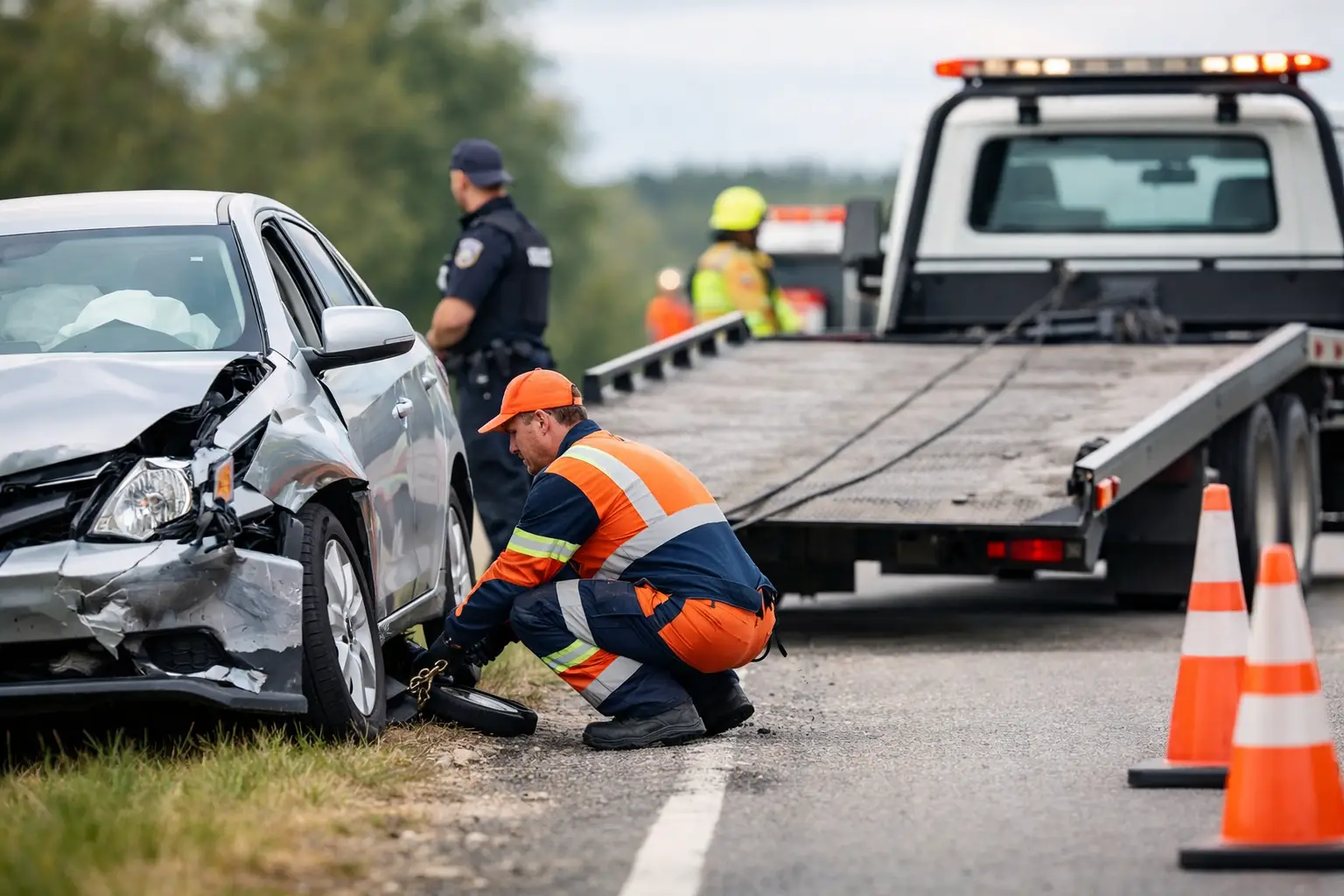
The first few minutes after a collision are where small decisions can prevent a second accident, a roadside injury, or more damage to your vehicle. Safe vehicle recovery after crash is not just about getting a tow truck on scene. It starts with protecting people first, securing the area, and making sure the vehicle is recovered with the right equipment by trained operators.
If your car, SUV, truck, or motorcycle has been hit, moved off the road, or left disabled in traffic, the goal is simple - keep everyone safe and avoid making the situation worse. That means resisting the urge to improvise. A damaged vehicle can have hidden issues with steering, suspension, fuel lines, airbags, or electrical systems, and those problems can turn a routine tow into a serious risk if the recovery is handled the wrong way.
What safe vehicle recovery after crash really means
A lot of drivers think "recovery" just means hooking up the car and hauling it away. In a crash, it is more specific than that. Recovery means assessing the condition of the vehicle, the roadway, the traffic around it, and any hazards before moving anything. Then the operator chooses the safest method to load, stabilize, and transport the vehicle without adding more damage.
That method depends on the crash. A vehicle with front-end damage may still roll, but it may not steer correctly. A car with wheel damage, axle damage, or airbag deployment may need a flatbed instead of a standard tow. If the vehicle left the roadway, landed in a ditch, or came to rest against a curb or barrier, the recovery process may require winching, repositioning, and extra stabilization before loading.
This is why safe recovery is never one-size-fits-all. The right equipment matters, but so does the judgment of the operator using it.
What to do immediately after a crash
Your first priority is people, not the vehicle. Check yourself and your passengers for injuries. If anyone appears hurt, call 911 right away and follow the instructions from emergency responders. If the crash is minor and the vehicle can be moved safely, move to a safer area when possible. If it cannot be moved, stay clear of traffic and avoid standing between vehicles or near active lanes.
Turn on your hazard lights. If it is safe to do so, set out reflective triangles or flares if you have them. At night, during rain, or on busy roads around Kenner and New Orleans, visibility drops fast. Drivers coming up behind you may not realize there is a disabled vehicle ahead until the last second.
Do not crawl under the vehicle, try to force bent parts loose, or attempt a roadside fix after a collision. Even if the damage looks minor, a crash can affect components you cannot see. Leaking fluids, jammed wheels, or damaged electrical systems can create fire risks and loading hazards.
When not to drive the vehicle
A lot of post-crash damage is easy to underestimate. The vehicle may still start, but that does not mean it is safe to drive. If the steering wheel is off-center, a tire is rubbing, fluids are leaking, warning lights are on, airbags deployed, or the doors and frame look misaligned, the vehicle should not be driven.
The same goes for impacts that seem light but affect the undercarriage. Hitting a curb, getting clipped in an intersection, or being pushed into a median can bend suspension parts and damage wheels without obvious body damage. Driving it even a short distance can make repairs more expensive and put you back in danger.
In those situations, towing is not overkill. It is the safer and often cheaper decision.
How professionals handle crash recovery safely
Safe vehicle recovery after crash starts with a proper scene check. A trained tow operator looks at traffic flow, road position, fluid leaks, visible damage, and whether the vehicle can roll or steer. From there, the operator decides whether a flatbed, wheel-lift, or winch-assisted recovery is appropriate.
For many collision vehicles, a flatbed is the safest choice. It keeps all wheels off the ground and reduces the chance of added damage to the drivetrain, suspension, or body. It is especially useful for all-wheel-drive vehicles, lowered cars, motorcycles, and any vehicle with wheel or frame damage.
Securement is another point where experience matters. A damaged vehicle cannot always be tied down the same way as an undamaged one. Operators need to account for broken components, shifted weight, and weak attachment points. The goal is stable transport from pickup to destination, whether that is a body shop, repair facility, residence, or storage lot.
Why the right truck matters
Not every tow truck fits every recovery. Sending the wrong truck can delay removal, create more risk on the roadside, or cause extra damage during loading. That is why dispatch needs clear details about the crash, your location, and the type of vehicle involved.
A compact sedan with rear-end damage may need a different setup than a pickup with front suspension damage. An SUV in a ditch may require winching before it can even be loaded. A motorcycle needs specialized handling and secure tie-down procedures. Medium-duty vehicles also need equipment rated for their weight and dimensions.
That is one reason local drivers call a company that handles both towing and recovery rather than just basic transport. The dispatch process should match the truck and operator to the actual problem, not guess once they arrive.
Common mistakes drivers make after a collision
The biggest mistake is trying to move too fast without thinking about safety. People often try to drive a damaged vehicle home, accept help from unqualified bystanders, or allow improper towing because they want the scene cleared quickly. Speed matters, but the wrong move can add repair costs or create injuries.
Another common mistake is leaving valuables loose in the vehicle or forgetting to document the vehicle condition before transport. If you are able, take clear photos of the damage, the overall vehicle, and the crash position. Remove important items such as phones, wallets, medications, and documents before the tow, unless law enforcement tells you otherwise.
It also helps to ask where the vehicle is going before it leaves the scene. You should know whether it is being taken to a body shop, your home, a repair facility, or a storage location.
Safe vehicle recovery after crash in busy traffic areas
In the New Orleans metro area, recovery conditions can change fast. Heavy traffic, narrow shoulders, weather, and poor visibility all raise the stakes. A crash on a bridge approach, a major arterial road, or during a storm is different from a collision in a parking lot. The recovery plan has to match the environment.
That is where 24/7 dispatch and fast arrival matter. The longer a disabled vehicle sits exposed in traffic, the higher the chance of another impact. Quick response is not just about convenience. It reduces roadside exposure for you, your passengers, and everyone driving around the scene.
A licensed and insured towing provider also gives you a clearer level of protection. If the vehicle needs special handling because of crash damage, you want trained professionals using proper equipment, not improvised methods that put your car and safety at risk.
What to tell dispatch when you call
A good dispatch call saves time and gets the right equipment moving. Start with your exact location, including nearby exits, landmarks, or cross streets. Then explain whether the vehicle is blocking traffic, on the shoulder, in a ditch, in a parking lot, or otherwise hard to access.
Next, describe the vehicle and the crash damage as clearly as you can. Mention if the airbags deployed, if any wheels are broken, if the car will not roll, or if fluids are leaking. Let dispatch know whether you need transport to a body shop, mechanic, residence, or another destination. If you are in the Kenner or New Orleans area and need immediate help, a local 24/7 operator like Zain Towing LLC can dispatch the right truck based on those details.
Choosing a towing company after a crash
After a collision, people are stressed and often just want the first truck available. That is understandable, but this is where a little caution helps. Look for a company that is licensed, insured, available 24/7, and experienced with crash recovery, not just simple breakdown tows.
You also want clear communication. The company should explain arrival expectations, recovery approach, and where the vehicle will be taken. Fast service matters, but professionalism matters just as much. A trained operator with the right truck can protect your vehicle from additional damage and help the whole situation feel more manageable.
If your vehicle has been involved in a crash, keep your next step simple. Stay safe, stay visible, and get professional recovery instead of taking chances. The right tow at the right time can prevent a bad situation from getting worse.
Need help right now?
Zain Towing runs 24/7 in Kenner, New Orleans, Metairie, Harahan and Gretna. Call (504) 666-9099 or see our towing service, roadside assistance and New Orleans pages.