
Secure Vehicle Transport on a Flatbed
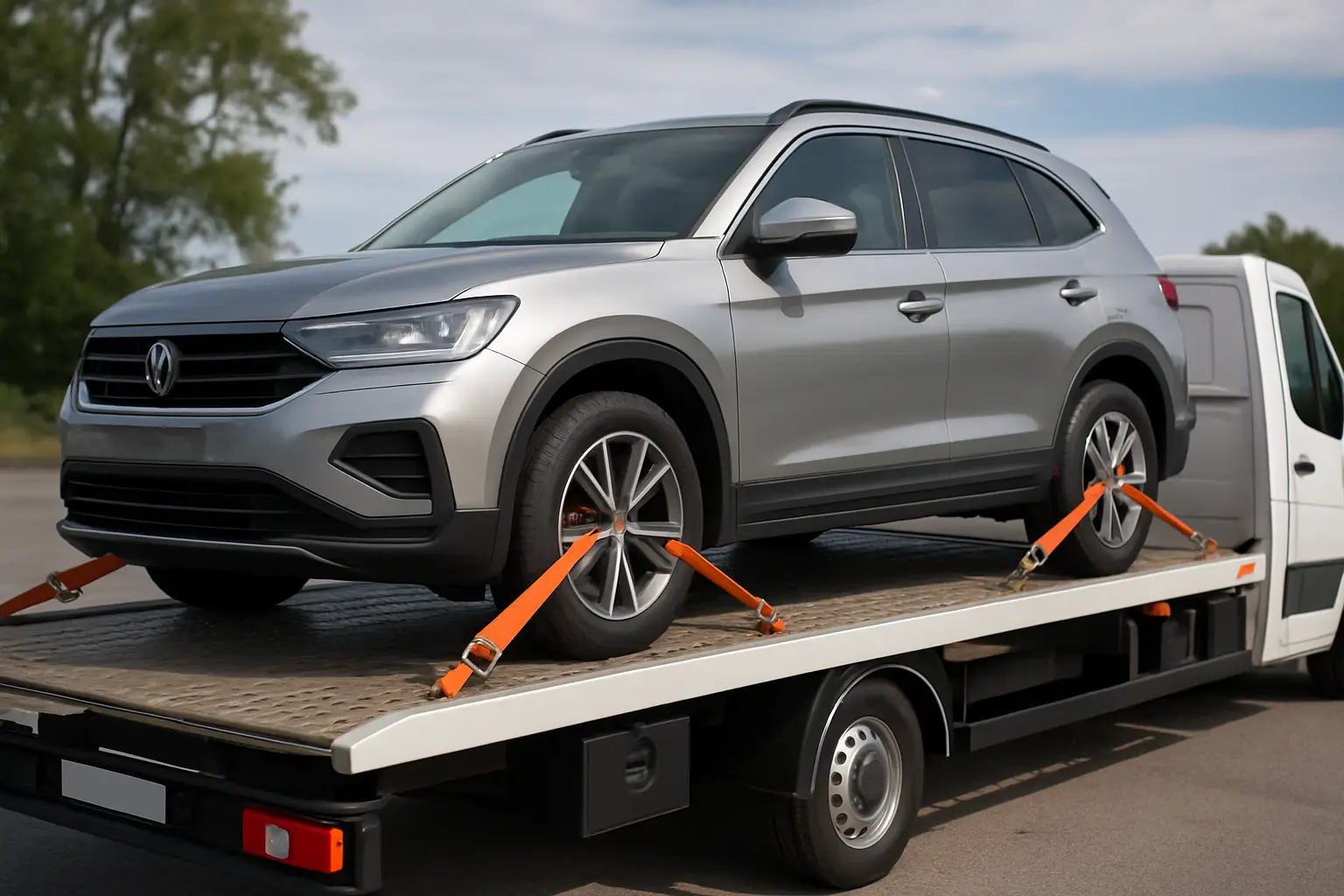
If your car is stuck on the shoulder near I-10, or you just bought a vehicle in New Orleans and need it delivered safely, you have one job in the next five minutes: pick the transport method that won’t add new damage to an already stressful day. For most modern cars, AWD vehicles, low-clearance sedans, motorcycles, and anything you actually care about, flatbed transport is the safest bet.
This is what “secure vehicle transport flatbed” really means in the real world: your vehicle is fully loaded onto a level deck, stabilized at four corners, and delivered without the drive wheels rolling on the road. It’s about preventing bumper scrapes, avoiding drivetrain issues, and making sure your vehicle arrives exactly the way it left.
What secure vehicle transport flatbed actually involves
A secure flatbed tow is not just “pull it up and go.” It’s a sequence of steps that reduces risk at every point - loading, tie-down, and unloading.
First, the operator evaluates the pickup situation. A car in a parking lot loads differently than a car half in a ditch, with a wheel turned hard, or with airbags deployed after an accident. The operator checks clearance points, the condition of the tires and suspension, and whether the vehicle can roll freely. If it can’t, the loading approach changes.
Next comes controlled loading. A flatbed is tilted, ramps are positioned, and the vehicle is guided up with a winch when needed. When a car is disabled, winching is the secure choice because it prevents sudden surges and keeps the vehicle aligned.
Finally, the vehicle is anchored. Secure transport is about restraining the vehicle at the wheels or designated tie-down points, using the right straps and tensioning. Done correctly, the vehicle doesn’t shift, bounce, or “walk” during braking, potholes, or turns.
If you’re hiring a tow, this is the standard you’re paying for.
Why flatbeds prevent damage better than wheel-lift towing
Wheel-lift towing has its place. It can be faster to hook up in tight spots, and for certain short tows it’s a practical option. But if the goal is damage prevention, a flatbed reduces common risks.
With a wheel-lift, two wheels are on the ground. That can be fine for some vehicles, but it depends on drivetrain type, distance, and vehicle condition. Front-wheel drive vs rear-wheel drive vs AWD matters. A transmission in park, a locked steering wheel, or a damaged axle can turn a “simple tow” into a problem.
Flatbeds remove most of that uncertainty. Since the vehicle rides fully on the deck, there’s less concern about tire wear, drivetrain rotation, or steering alignment during the tow. You also avoid the extra loading stress that can happen when a vehicle is dragged even slightly.
There’s another factor people forget: clearance. Low bumpers, splitters, and long wheelbases are vulnerable during loading. A proper flatbed operator will use boards, angle adjustments, and slow winching to prevent scraping. That kind of control is harder with other methods.
When you should insist on secure vehicle transport flatbed
Not every tow needs a flatbed, but there are situations where it’s the smart call - and where “it depends” can cost you.
If your vehicle is AWD or 4x4, a flatbed is usually the safest transport choice. Some AWD systems can be damaged if towed with wheels rolling. Even if dollies are used, it’s still extra handling and extra variables.
If you drive a luxury car, classic car, or lowered vehicle, flatbed towing helps protect bodywork and undercarriage. The same goes for EVs and hybrids, where protecting the underbody and avoiding unnecessary wheel rotation can matter.
After an accident, flatbed transport is often the right move because the suspension, steering, or wheels may be compromised. A vehicle that “looks like it can roll” can still have hidden damage that makes towing on the ground risky.
And if you simply need planned transport - moving a vehicle to a shop, delivering a purchase, sending a car to a family member - a flatbed is the cleanest way to do it. No extra miles on your tires, no drivetrain questions, and less chance of roadside surprises.
What makes flatbed transport “secure” (and what doesn’t)
Two flatbed tows can look similar from a distance and be totally different in safety.
Secure transport starts with the right equipment. Wheel straps and soft straps prevent metal-on-metal contact. A winch with controlled pull keeps loading straight. The bed needs proper traction and a safe tilt angle, especially when it’s wet - which matters in Louisiana weather.
It also depends on operator training. Tie-down points are not “wherever a hook fits.” Some vehicles have designated tie-down loops or transport points. Some should be secured by the wheels to avoid stressing suspension components. A trained operator adjusts based on the vehicle, not habit.
What doesn’t count as secure? Rushed loading, straps that cross sharp edges, hooks on weak components, or a vehicle that’s not centered and balanced on the bed. You shouldn’t see a car sitting crooked on a flatbed or bouncing because straps weren’t tensioned evenly.
Questions to ask before you dispatch a flatbed
When you’re on the side of the road, you don’t want a long checklist. You want a few quick questions that tell you whether you’re dealing with a professional operation.
Ask if the company is licensed and insured. That’s not paperwork for the sake of it - it’s your protection if something goes wrong.
Ask what type of truck they’re sending and whether it’s a flatbed. “Rollback” and “flatbed” are often used interchangeably, but the key is that your vehicle rides fully on the deck.
If you have AWD, a very low car, a motorcycle, or you were in a collision, say it up front. The right dispatch depends on those details.
Also ask for an ETA that’s realistic for your location. In Kenner and New Orleans, traffic patterns can change fast. A professional dispatcher will give you a clear window, not vague reassurance.
If you need secure vehicle transport flatbed service in the Kenner and New Orleans area, you can request dispatch 24/7 through Zain Towing LLC.
How to prepare your vehicle for safe flatbed hauling
Most customers don’t need to do much, but a few small moves can speed things up and reduce risk.
If you’re in a safe spot, put the vehicle in park, set the parking brake if the brakes are functioning, and turn on hazard lights. If you’re on a busy roadway, prioritize your safety over the vehicle - stay inside with your seatbelt on if you’re in a dangerous area and it’s safer than standing outside.
Remove valuables and fragile items. Towing is stable when done correctly, but the road isn’t smooth, and anything loose can shift.
If your steering wheel is locked or your vehicle is stuck in gear, tell the dispatcher. If the key fob is dead, mention that too. These details change how the operator loads and secures the vehicle.
And if you’re sending the vehicle to a shop, confirm the drop-off location and after-hours procedure. A secure tow includes a secure handoff.
Local realities in Kenner and New Orleans that affect secure transport
This region has its own towing challenges that make secure handling more than a buzzword.
Rain hits hard and fast. A flatbed deck can get slick, and proper loading speed and winch control matter. Flooded streets are another issue - water can hide potholes and debris, and some vehicles should not be started or moved under their own power after water exposure.
Road conditions vary. Construction zones, bridge transitions, and uneven pavement can cause extra bounce. That’s where correct strap placement and tensioning keep the vehicle stable.
Traffic is unpredictable, especially near interstates and during events. A secure tow also means a safe roadside process: proper truck positioning, visible lighting, and fast loading to minimize time exposed on the shoulder.
Trade-offs: what flatbed towing can’t solve
Flatbeds are the safest option in many cases, but there are real trade-offs.
A flatbed can be harder to position in extremely tight garages, narrow alleys, or packed lots. In those cases, an operator may need to reposition the vehicle carefully or use alternate equipment to get it to where a flatbed can load safely.
Also, extremely low vehicles may still require special loading techniques. The fact that it’s a flatbed doesn’t automatically prevent scraping - the operator’s approach does.
And while flatbeds reduce many risks, they don’t erase existing damage. A vehicle with a broken suspension or severe collision damage needs extra care, and sometimes a slower, more controlled recovery is the safest way to transport it.
The right answer is always situation-based: your vehicle type, your location, your destination, and the condition of the car.
What you should expect from a professional flatbed tow
You should expect clear communication from dispatch, including the truck type being sent and a reasonable ETA. You should see the operator take a moment to assess the vehicle before touching it.
During loading, you should notice controlled movement, especially if a winch is used. No jerking, no rushed angles, no “let’s see if it clears.”
Once loaded, the vehicle should be secured at multiple points with proper straps, and the operator should do a final check before rolling out. If you’re present, it’s fair to ask where the vehicle will be dropped and confirm the address one more time.
If you’re stranded and stressed, you don’t need to become a towing expert. You just need to choose a company that treats secure handling as the product, not an add-on.
When you’re ready, make the call, share your vehicle details, and let the operator do the careful work. The best outcome is quiet and boring: your car arrives safely, and the only thing you remember about the tow is how quickly the stress level dropped.
Need help right now?
Zain Towing runs 24/7 in Kenner, New Orleans, Metairie, Harahan and Gretna. Call (504) 666-9099 or see our towing service, roadside assistance and New Orleans pages.